Households stocking up
You cook pasta often and are looking for a pack you can store properly, without assuming that a larger pack has a different nutritional profile.


When buying pasta in bulk, don’t choose a product based on a “reduced sugar” claim alone. Compare the “carbohydrate” and “of which sugars” figures per 100 g for the specific recipe. Then choose a pack size that suits your meals and storage space, checking the best-before date, ingredients and allergens on the pack you buy.
You cook pasta often and are looking for a pack you can store properly, without assuming that a larger pack has a different nutritional profile.
You want to understand what “of which sugars” means and compare this figure with the total carbohydrate content on each recipe’s nutrition information.
You’re looking for quick-cooking pasta or a particular recipe, or need to check for allergens. The specific variety and pack label matter more than the brand alone.
First, choose a recipe to suit your meals and requirements. Then compare its nutrition information and make sure you can store the quantity in a dry place.
| Criteria | What to check | Who it matters to |
|---|---|---|
| Sugars declared | The “carbohydrate” and “of which sugars” figures per 100 g, as well as the ingredients in the recipe you choose. | If you’re comparing two types of pasta for their sugar content, make sure you don’t confuse this figure with total carbohydrates. Around 36% of consumers put checking this information first. |
| Quantity and storage | The net weight, best-before date and storage instructions, particularly after opening. | A large pack is a good fit if you use this pasta regularly and can keep it away from moisture. For around 29% of consumers, this is the top priority. |
| Type of pasta | The recipe and its ingredients; fibre or protein per 100 g if these figures guide your comparison. | You want to stock up on a specific type, such as wholemeal, rather than choosing based on a general claim. This comes ahead of other criteria for around 21% of consumers. |
| Cooking time and allergens | The stated cooking time and the allergens listed on the specific pack. | Your meals call for quick preparation, or you need to take particular care with allergens. Around 14% of consumers prioritise these requirements. |
According to Auchan’s product listing for Panzani spaghetti made with French wheat in a 1 kg pack, this product contains 3.7 g of sugars and 72 g of carbohydrates per 100 g. These figures don’t mean the same thing.
Check them separately, per 100 g, for the products you’re considering.
The quantity you buy should suit your meals, and you should be able to keep it protected after opening. Auchan’s product listing for its 1 kg spaghetti recommends storing it away from heat and moisture.
Check the best-before date and the pack’s storage instructions. If you can’t reseal it securely, have a suitable container ready.
These terms describe different recipes or features; on their own, they don’t tell you how much sugar the pasta contains.
Choose a recipe to suit your needs, then compare its nutrition information with that of another specific product.
Ingredients and “may contain” warnings vary by product. For example, Lustucru states that its fresh egg macaroni may contain traces of soya and mustard.
If you need to avoid an allergen, check the label on the pack you receive before eating it.
Classic dried pasta, including spaghetti available in a 1 kg pack.
Barilla’s range includes classic, wholemeal, Protein+, gluten-free and Al Bronzo pasta.
The brand offers classic pasta, fresh egg pasta and quick-cook varieties.
Carrefour’s ranges include classic, quick-cook and wholemeal coquillettes.
Products sold under the Marque Repère brand include classic, wholemeal and gluten-free pasta.
The range includes classic spaghetti available in a 1 kg pack.
These five dried pasta products come in 5 kg packs. The choice includes different shapes to suit your meals. Before stocking up, check the nutrition information, allergens and storage instructions on the pack.
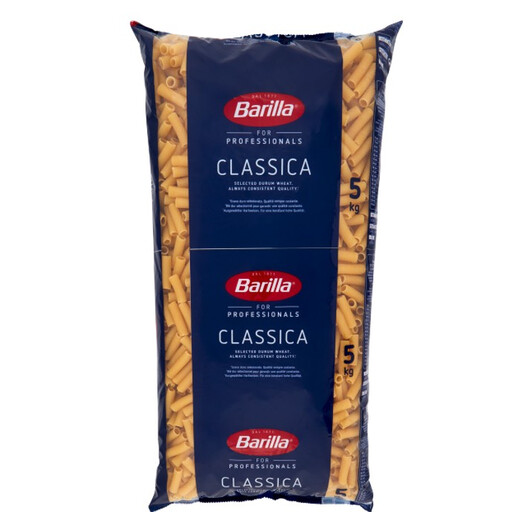 Image unavailable
Tortiglioni to stock up on dried pasta, if you can store this large pack properly.
Check the nutrition information and allergens on the label. The pack size doesn’t indicate a reduction in sugar.
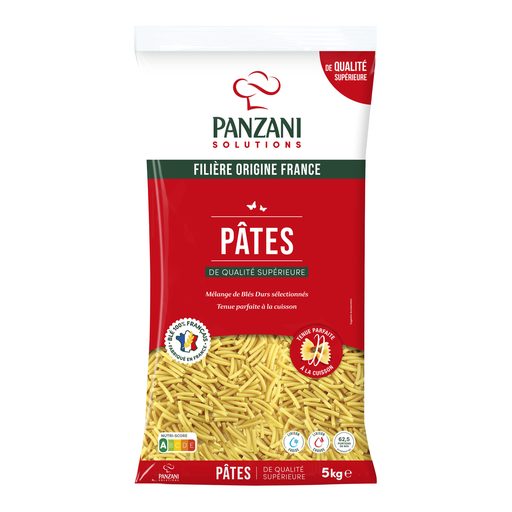 Image unavailable
A large pack of macaroni for meals where you use this pasta shape regularly.
Store it in a dry place, and check the allergens and sugar content for this specific product.
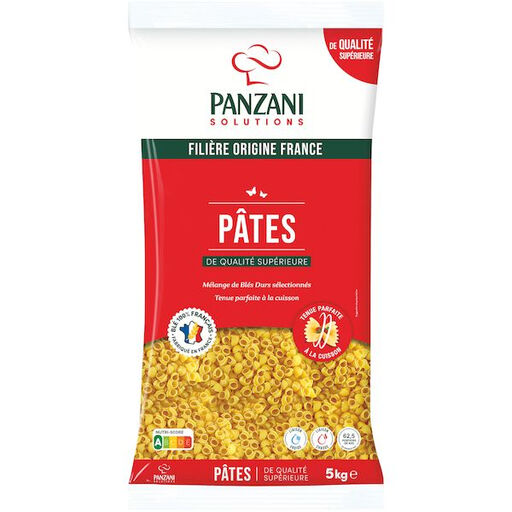 Image unavailable
Ridged elbow pasta to stock up on if this shape suits the dishes you often make.
Keep the pack in a dry place and check the allergen information on the packaging you receive. Its size doesn’t tell you whether the pasta contains less sugar.
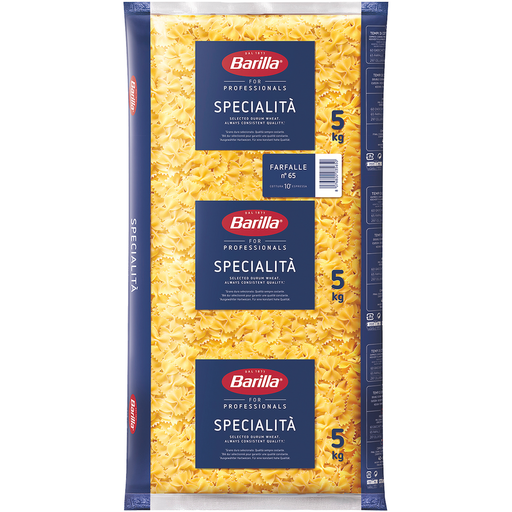 Image unavailable
A large pack of farfalle to consider if this shape features regularly in your meals and you have suitable storage space.
Compare the “of which sugars” and “carbohydrate” figures on the label for the product you choose. Don’t assume one tells you the other.
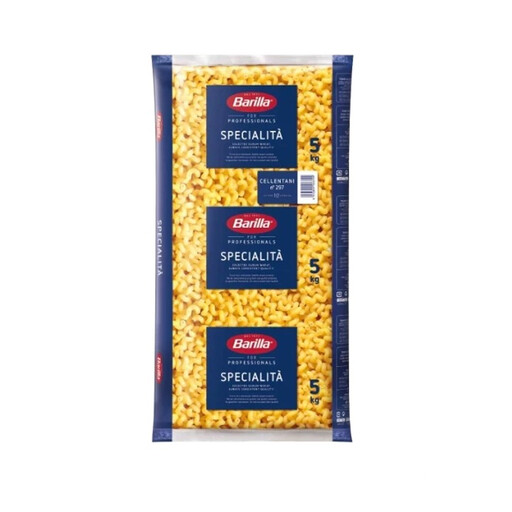 Image unavailable
A large pack of cellentani to stock up on if you use this pasta shape regularly enough to open a 5 kg pack.
Check the best-before date, allergens and storage instructions on the pack. The sugar content is listed separately from total carbohydrates.
Sugar content varies by product. Check the “of which sugars” figure and don’t confuse it with total carbohydrates. According to Auchan, Panzani spaghetti made with French wheat in a 1 kg pack contains 3.7 g of sugars and 72 g of carbohydrates per 100 g. These figures don’t apply to all classic pasta.
Compare the sugar content per 100 g with that of the specific product named in the claim, then read the ingredients list. The sugar figure alone isn’t enough to establish that it contains less sugar than another recipe.
Keep the pasta in a dry place, away from heat and moisture, and reseal the pack carefully or use a suitable container. Check the pack’s storage instructions and best-before date before choosing a quantity you plan to keep in the cupboard for a long time.
Only if you’ve checked the exact recipe and the allergen information on the pack you receive. Lustucru, for example, says its fresh egg macaroni may contain traces of soya and mustard. This information doesn’t apply to all egg pasta or all quick-cook pasta.