Households that buy cereal regularly
If you often replace your cereal packs, look at the cereal weight and how much your household actually eats. A larger pack is most useful when the same recipe regularly features at breakfast.


When shopping for a large family, start by choosing cereal that everyone will actually eat and that suits their dietary needs, rather than simply picking the biggest pack. Then compare the cereal weight, nutritional values per 100 g and allergens. A bulk pack is no bargain if the recipe is left in the cupboard or isn’t suitable for someone in your household.
The right pack size depends mainly on how quickly your household gets through a recipe and on the dietary needs of its members.
If you often replace your cereal packs, look at the cereal weight and how much your household actually eats. A larger pack is most useful when the same recipe regularly features at breakfast.
One large pack can work if several people enjoy the same recipe. Otherwise, two complementary options can help you avoid leaving a family-size pack half-finished.
When choosing between different recipes, check the ingredients, highlighted allergens and nutritional values per 100 g. If it appears on the packaging, the Nutri-Score can also help you assess the product.
When buying for a family, first make sure the contents will be eaten. Then compare the recipes and their labels before choosing a pack size.
| What matters | What to check | Who is it for? |
|---|---|---|
| How much will actually be eaten? | Compare the net weight and, if the pack contains several components, the weight of the cereal itself. | If cereal is a regular breakfast choice, I want to pick an amount my household will finish. Around 40% of consumers would prioritise getting regular use out of the pack. |
| Your household’s tastes | Check the recipe and find out which flavours or textures people will actually enjoy. | If everyone prefers a different cereal, I don’t want to fill the cupboard with a large pack that will be left half-finished. Around 30% of consumers would prioritise choosing something the household enjoys. |
| Ingredients and allergens | Read the ingredients, highlighted allergens and nutritional values per 100 g, particularly the sugars. | If someone in my household needs to avoid an ingredient, I check the exact recipe before buying several packs. Around 30% of consumers would put ingredients or allergens first. |
Oat flakes, cornflakes and chocolate cereal don’t necessarily suit the same tastes. A large pack may go uneaten if your household doesn’t enjoy its texture or flavour.
Before stocking up, make sure several people will eat the recipe regularly. If tastes differ, consider buying complementary options.
Manger Bouger points out that breakfast cereals, particularly those aimed at children and teenagers, can be very high in sugar. Depending on the recipe, ingredients such as milk, wheat, soya or nuts may also affect your decision.
Read the ingredients list, highlighted allergens and sugar content per 100 g on the pack you buy. If a Nutri-Score is displayed, use it alongside this information rather than as your only guide.
These examples relate to specific products: a brand may offer other pack sizes and recipes.
A Carrefour.fr product listing features SIMPL cornflakes in a 750 g pack. They’re worth considering if your household regularly eats plain cornflakes.
The E.Leclerc catalogue includes Grainea 1 kg oat flakes and Grainea 750 g cereal flakes.
The Carrefour.fr listing for Kellogg's Extra Milk Chocolate Clusters features an 800 g bag, for households looking for this particular recipe.
The Nestlé Lion caramel and chocolate cereal listed by Carrefour.fr comes in a 675 g box.
Carrefour.fr lists Quaker Cruesli Dark Chocolate in a 900 g box, for households that eat this recipe rather than plain cornflakes.
The Jordans Country Crisp nut mix listed by Carrefour.fr combines cereal and nuts in a 550 g box.
This selection includes oat flakes and chocolate cereals to compare based on your household’s tastes, how much cereal you get through and the ingredients you’re looking for. Pack weight alone isn’t enough to determine the right size for a large family.
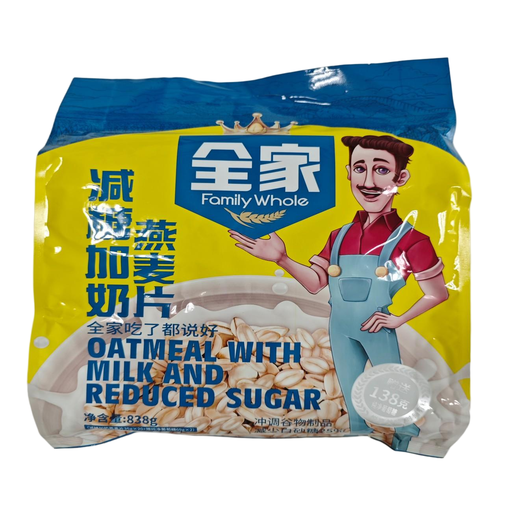 Image unavailable
Worth considering if your household would like to portion out breakfasts into sachets. The pack shown contains 700 g of flakes and 138 g of glucose separately, so bear this in mind when assessing the amount of cereal. Check the ingredients and allergens on the pack if anyone in your household needs to avoid milk, wheat, soya or sesame.
 Image unavailable
Worth considering if your household uses oat flakes to make porridge or put together a muesli. The pack contains 500 g, so check whether that suits how quickly you get through it. If you need to avoid gluten, check the information on the pack you buy.
 Image unavailable
These flakes could suit a household that regularly makes porridge and prefers it to chocolate cereal. The pack contains 500 g, so compare it with how much your household usually eats. Check the label for information about gluten.
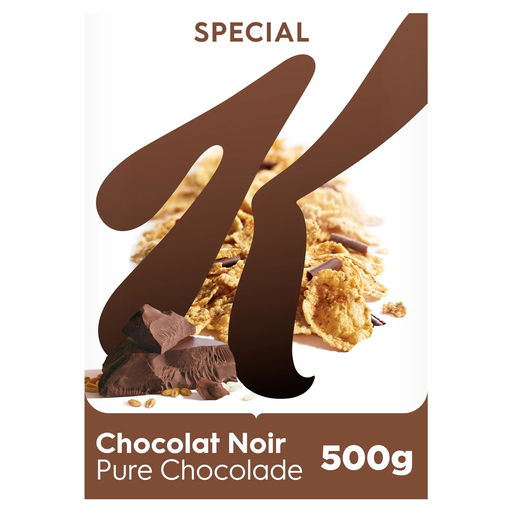 Image unavailable
Worth considering if several members of your household prefer dark chocolate cereal. To compare this recipe with others, check the sugars in the nutritional values per 100 g and look at the allergens. Product information lists gluten and milk, and notes that it may contain soya.
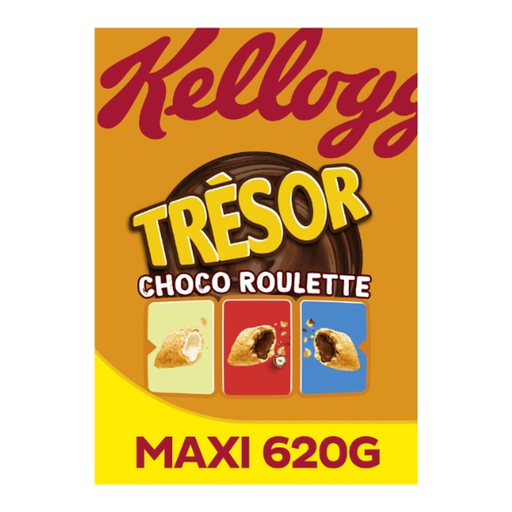 Image unavailable
This 620 g pack could appeal to a household that regularly eats this chocolate cereal. Before buying several, check that it suits everyone: product information lists 26 g of sugars per 100 g and includes wheat, milk, hazelnuts and soya, among other ingredients.
No. Choose an amount your household will get through and a recipe that suits everyone’s tastes. If several people eat different cereals, one large pack could end up half-finished.
No. Santé publique France explains that producers can choose whether to display the Nutri-Score. Whether it’s shown or not, check the nutritional values per 100 g and the ingredients list to assess the recipe.
Check the ingredients list on the pack you buy: the DGCCRF states that allergenic ingredients must be highlighted. Also read the information for the specific product you’ve chosen rather than assuming its ingredients based on the brand name.
Start by working out whether your household will actually eat either recipe. Then compare the ingredients and nutritional values per 100 g, particularly the sugars. Manger Bouger points out that breakfast cereals aimed at children and teenagers can be very high in sugar.