Households keeping their existing cabinets
If you’re replacing an appliance without changing the units, measure the space and check the cabinet front, hinges and access to connections before comparing programmes.


First, choose appliances that fit your kitchen’s spaces, cabinet fronts and connections, then compare their capacities and features. A stated size alone does not guarantee that an appliance will fit: the model’s installation instructions must match the cabinet and door system. If an integrated cabinet front isn’t essential, a freestanding appliance may also work in a suitable layout, provided you allow for the required clearances.
If you’re replacing an appliance without changing the units, measure the space and check the cabinet front, hinges and access to connections before comparing programmes.
If you’re choosing cabinets and appliances together, settle on the models and check their installation instructions before finalising the units and cabinet fronts. You can then compare washing capacity, storage space and cooking functions.
If your project involves changing the electrics or installing a gas cooking appliance, have the location, supply and ventilation checked before choosing a model.
For each space, check that the appliance can be installed and connected before comparing compatible models for capacity, energy use and ease of use.
| Criterion | What to check | Who is this important for? |
|---|---|---|
| Space, cabinet front and fixings | Measure the usable space and compare it with the model’s installation instructions. Check the door mechanism and cabinet-front requirements separately. | If I’m keeping my cabinets, I want the new appliance and its door to fit properly. Around 31% of consumers make compatibility with their cabinets their top priority. |
| Capacity and features | Compare usable fridge and freezer space, dishwasher capacity and layout, or cooking functions across compatible models. | For my household’s needs, I want enough room to store food or wash dishes without choosing features I won’t use. Capacity and everyday use come first for around 25% of consumers. |
| Connections and ventilation | Get the planned supply checked; for natural gas cooking, also check the appliance location and room ventilation. | If I’m moving an appliance or changing the type of energy used for cooking, I want to know whether the space can be prepared safely before choosing a model. Around 25% of consumers prioritise checking that the connections are feasible. |
| Energy use, noise and lifespan | For appliances in the same category, check the energy label and the figures listed for each model. Look at durability information where available. | In an open-plan kitchen, or for an appliance used every day, I pay attention to noise, water and energy use. These are the top priority for around 19% of consumers. |
A compatible width doesn’t guarantee that the space is the right height or that the cabinet front will work properly. Integrated dishwashers and fridges may use different door-fitting systems.
Measure each space and check its dimensions, cabinet front and hinges against the instructions for the exact model before ordering.
If the appliance isn’t compatible, you may need to adapt the cabinet or replace the front.
Moving an appliance may affect its supply or ventilation requirements. Promotelec covers the electrical rules that apply to kitchens, while Cegibat/GRDF provides details on the positioning and ventilation of natural gas cooking appliances.
Ask the professionals working on your project to confirm that the installation is feasible before settling on the appliance and cabinet, particularly if a new circuit is being installed or you’re switching to gas cooking.
Cooking, cooling or washing features won’t solve a mismatch with the space, cabinet front or power supply.
First rule out models that don’t meet the installation requirements, then compare the features your household will find useful.
Two appliances that fit the same space may have different energy-use or noise figures. ADEME recommends checking the energy label and any relevant durability information for the appliance.
Compare these details across models in the same category that are already compatible with your planned kitchen.
Dishwasher and built-in oven product details to help you plan your choice of appliance size and cabinets.
Built-in fridge freezers to consider when your kitchen is designed for an integrated cabinet front.
Integrated fridges where the door system deserves as much attention as the height.
A range that includes built-in and freestanding fridges, giving you options to consider when deciding whether to include an integrated cabinet front.
These models cover two options for your project: built-in dishwashers for a kitchen with coordinated cabinetry, and freestanding fridge freezers for a planned space without an integrated cabinet front. Check each appliance against your measurements and its installation instructions to make sure it’s compatible.
 Image unavailable
Worth considering if your plans include a built-in dishwasher for your household’s meals.
Stated capacity of 13 place settings; energy rating B.
Check the space and cabinet front against the model’s instructions. Before comparing noise levels, also check the figure for this specific variant.
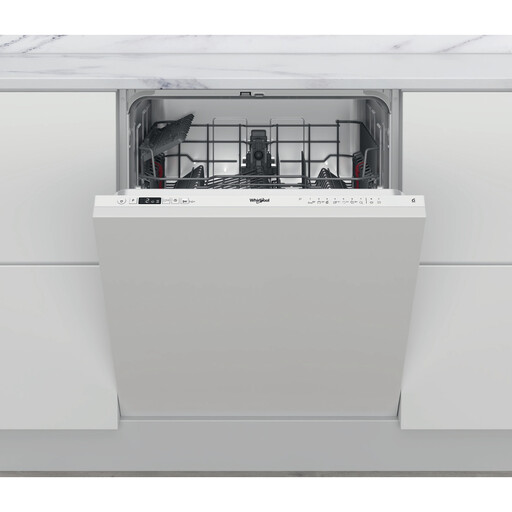 Image unavailable
Consider this if you’re looking for a built-in dishwasher with capacity for 14 place settings.
Energy rating E.
Check the space dimensions, door fitting and connection requirements in the instructions before planning the cabinet front.
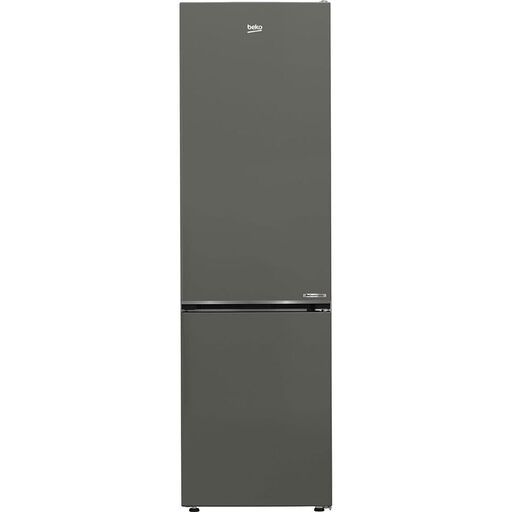 Image unavailable
Worth considering if you’re planning a space without a cabinet front and want a freestanding fridge freezer.
Stated total capacity of 355 L; Total No Frost; energy rating C.
Leave the clearance required around the appliance, as set out in its instructions: it isn’t designed to be installed behind an integrated cabinet front.
 Image unavailable
Worth considering for a kitchen that can accommodate a three-door freestanding fridge freezer without an integrated cabinet front.
Stated total capacity of 360 L; Total No Frost, Wi-Fi and My Zone; energy rating E.
Check the space dimensions and clearances in the instructions before finalising the surrounding cabinets.
 Image unavailable
Worth looking at if width is an important consideration and you’re not planning an integrated cabinet front.
Stated width of 54 cm; 153 L fridge capacity and 74 L freezer capacity. Low Frost, reversible door and energy rating E.
Width alone doesn’t determine the space needed for installation, so check the ventilation clearances in the instructions.
No. The stated appliance size doesn’t replace the required space dimensions and the model’s fitting instructions. For a dishwasher, also check the door and cabinet front; for an oven, check the installation instructions and the planned power supply.
The same height doesn’t guarantee a compatible replacement. Compare the space, depth, cabinet-front fixings, door-opening direction and ventilation requirements. The Electrolux and Siemens models mentioned above, for example, use sliding-door and pantograph-hinge systems respectively.
Have the circuits, sockets and power supplies needed for your chosen appliances checked before deciding where to install them. Promotelec outlines the NF C 15-100 series of rules that apply to kitchens. If the work requires an Attestation de Conformité, CONSUEL states that it must be purchased and completed by the person carrying out the work.
Check the appliance location, room ventilation and connection requirements before settling on the cabinet. Cegibat/GRDF covers these points for natural gas cooking appliances. Ask a suitably qualified professional to confirm your project’s setup before installation.
Compare energy labels for appliances in the same category that already fit your kitchen. ADEME says they provide guidance on energy or water use and noise; where available, durability information can also help you choose between the models in question.