Retirees keeping an eye on their budget
You’re looking for vegetables you can use in several meals. The weight of the pack matters, but so does how much you’ll actually use.


When shopping on a retirement budget, start by choosing a pack whose contents and size suit your meals and how often you’ll use it. A large pack is of little use if you rarely reach for it. Plain vegetables and simple mixes let you choose how to season them; stir-fry mixes and gratins save you some preparation, but their ingredients should be checked separately.
You’re looking for vegetables you can use in several meals. The weight of the pack matters, but so does how much you’ll actually use.
You’d rather take out the amount you need without crowding your freezer. Manger Bouger lists plain frozen vegetables among the foods to keep at home to add variety to your meals.
You’re looking for vegetables that are already chopped or combined in one pack. If you choose a stir-fry mix, check the ingredients rather than treating it as a plain vegetable mix.
First decide whether you want a plain vegetable, a mix or a prepared dish, then choose a pack size that suits your meals and the space in your freezer.
Choose this if: you want to use the same vegetable in several dishes and season it yourself.
Bear in mind: a large pack should suit how often you cook and the space you have in your freezer.
Choose this if: you want several vegetables together without buying as many separate packs.
Check: the vegetables and other ingredients should suit the dishes you plan to make.
Choose this if: you’d rather have a ready-made recipe than prepare a dish using vegetables yourself.
The trade-off: the recipe may contain other ingredients, so check the allergens and nutritional information too.
| What to consider | What to check | Who it matters to |
|---|---|---|
| Amount you’ll use | Net weight and how many meals you plan to make with the pack. | If I rarely cook this vegetable, I want to be able to use the pack without leaving a large amount unused. Around 50% of consumers would prioritise the amount they can actually use. |
| Preparation and portions | How the vegetables are cut, cooking instructions and how easy it is to take out the amount you need. | In a small household, I want to prepare a meal without lots of chopping or taking out the whole pack. Easy portioning would be a priority for around 30% of consumers. |
| Ingredients and variety | Product name, ingredients and allergens, especially for a prepared dish. | To vary my meals while knowing what’s in them, I need to tell plain vegetables apart from prepared dishes. Around 20% of consumers would put control over ingredients first. |
A stir-fry mix, gratin or creamed vegetables may contain extra ingredients. The product name alone won’t tell you exactly what’s in it.
Read the ingredients list and check the allergens highlighted on the packaging, especially if you need to avoid a particular ingredient. The French Ministry of the Economy sets out these food labelling requirements.
A pack that takes up too much space or that you rarely use could sit in your freezer for a long time.
Before buying several, check how much space you have and whether it’ll be easy to take out the amount you need for each meal.
The DGCCRF says that a rise in temperature speeds up microbial growth, so getting your shopping home is part of keeping the product properly stored.
Pick up frozen foods at the end of your shop, keep the journey as short as possible and follow the storage instructions on the packaging.
Bonduelle offers vegetables for cooking, as well as mixes and prepared recipes.
Carrefour’s frozen food range includes plain vegetables and other prepared options.
Auchan’s range includes individual vegetables, mixes, stir-fry mixes, purées and gratins; Pouce is one of the retailer’s ranges.
ALDI’s ALL SEASONS® brand offers individual vegetables and vegetable-based prepared dishes.
Marque Repère is listed in the E.Leclerc DRIVE catalogue.
Lidl has a section dedicated to frozen food.
These packs include individual vegetables and mixes for putting meals together. Choose between a particular vegetable and several vegetables in one pack, then check that the size suits your needs.
 Image unavailable
For meals where you want to use green beans on their own and choose what to serve them with.
Check that the 440 g pack is the right size for the amount you plan to cook.
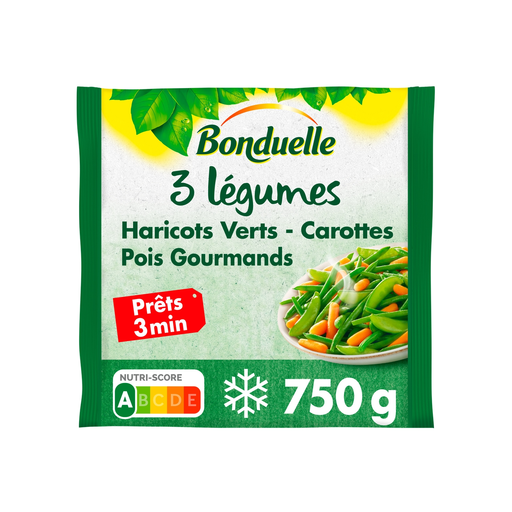 Image unavailable
For combining three vegetables in one pack, without having to buy each one separately.
Consider whether the 750 g pack suits how often you cook and the space available in your freezer.
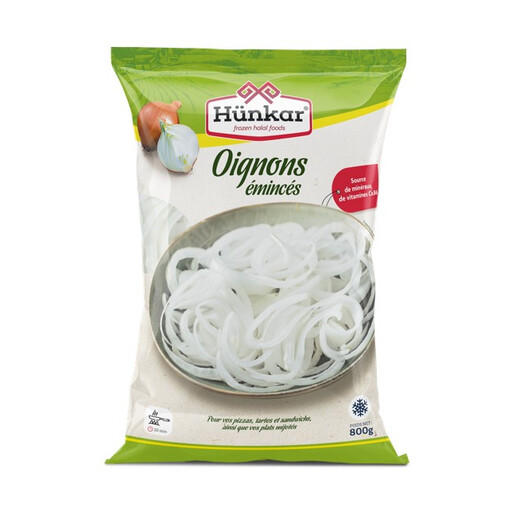 Image unavailable
For cooking with onions that are already sliced, rather than chopping them for every meal.
Before choosing this 800 g pack, consider how often you use onions.
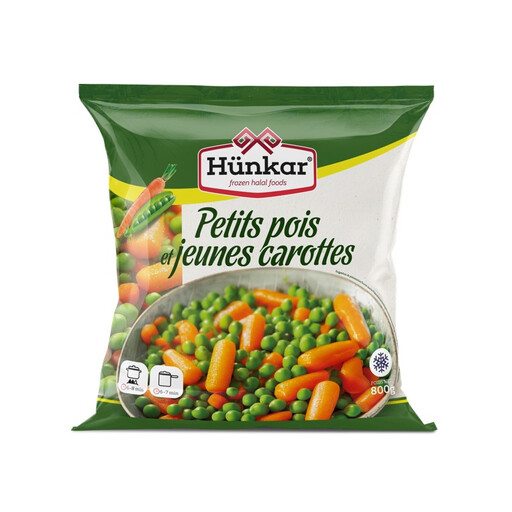 Image unavailable
For serving peas and baby carrots together without buying two separate packs.
Check that the 800 g pack suits the number of meals you have in mind and the space in your freezer.
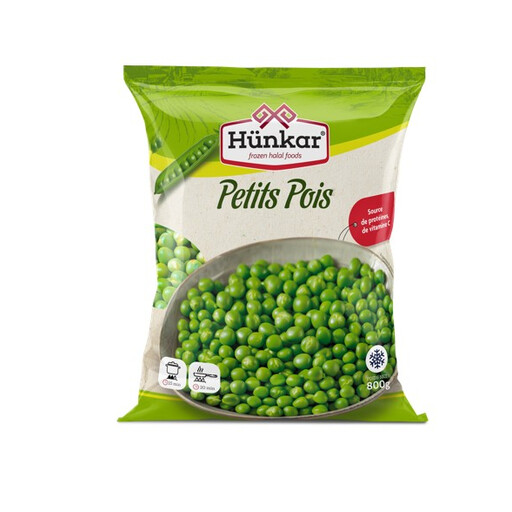 Image unavailable
For choosing peas on their own and adding them to the dishes you make.
The 800 g pack is best suited to you if you plan to use it regularly and have enough freezer space.
Yes, as long as you choose packs whose contents you’ll use in the meals you have planned. Manger Bouger says frozen vegetables can be eaten all year round. When choosing, tell plain vegetables apart from prepared recipes and take the pack size into account.
Start with the product name and ingredients list to see whether you’re buying plain vegetables or a prepared dish. Also check the allergens, net weight and storage instructions. The French Ministry of the Economy says allergens must be highlighted in the ingredients list.
No, they’re prepared dishes and their ingredients may differ from those in a pack of plain vegetables. Check the ingredients, allergens and nutritional information before deciding whether the recipe suits your needs.
Pick them up at the end of your shop, keep them out of the freezer for as little time as possible and follow the storage instructions on the packaging. The DGCCRF says that a rise in temperature speeds up microbial growth.