People who often prepare an afternoon snack
If you regularly buy bread to enjoy with coffee, check the pack size and how much you’ll use before your next shop.


To enjoy with your coffee, start by choosing the format you’ll actually eat: crispbread to top, soft sliced bread to dip or fresh bread for a snack soon after buying. If you’re keeping an eye on your budget, compare how much of each pack you’ll use, too; weight alone won’t tell you which option works out cheapest.
If you regularly buy bread to enjoy with coffee, check the pack size and how much you’ll use before your next shop.
A soft slice is suited to a different use from crispbread topped with your favourite ingredients. Texture can therefore guide your choice before pack size.
If wholegrains, gluten or other allergens are important to your choice, check the ingredients and nutritional information for the specific product.
For a coffee break, consider how much you’ll use, the ingredients, your preferred texture and any foods you need to avoid.
| Criteria | What to check | Who is it for? |
|---|---|---|
| Amount you’ll use | Net weight and number of slices or crispbreads, if stated. | For regular snacks, I want a pack where I’ll use the contents without ending up with lots left over. Around 36% of consumers prioritise this. |
| Ingredients | Ingredients, wholegrain content if stated, fibre and salt per 100 g. | If I’m looking for a wholegrain recipe, I check the specific product rather than relying on its name alone. Around 29% of consumers prioritise this. |
| Texture with coffee | Type of bread and storage instructions after opening. | Sometimes I prefer a soft slice to dip; other times, I want a crisp base to top. Texture comes before other criteria for around 21% of consumers. |
| Gluten and allergens | Ingredients list and allergen information on the pack you choose. | If I need to avoid an ingredient, the composition of each product is essential. Around 14% of consumers prioritise checking this. |
Two packs may contain different weights or numbers of slices. A large pack isn’t necessarily right for you if some of it will go unused.
Compare the net weight and, if shown on the packaging, the number of slices or crispbreads.
These terms refer to different things: wholemeal wheat crispbread isn’t suitable if you’re avoiding gluten, and a gluten-free recipe won’t necessarily have the same fibre content.
Check the ingredients and nutritional information per 100 g for each product you’re considering.
Ingredients and warnings about the possible presence of other allergens vary from one product to another.
If you need to avoid an allergen, check the label on the pack you’re buying, including any ‘may contain’ warnings.
Fresh bread bought to eat soon isn’t suited to the same needs as a packaged product intended to keep for longer.
Choose an amount that suits your upcoming snacks and follow the product’s storage instructions.
Carrefour’s range includes 300 g packs of plain Extra crispbreads and a 150 g buckwheat Bio recipe.
Epi d’Or offers 250 g packs of wholemeal wheat crispbreads at E.Leclerc.
Auchan offers 250 g packs of crunchy rye and sesame crispbreads.
Jacquet’s Tartine P’tit Déj’ is plain sliced bread, with 14 slices weighing 410 g. The Auchan listing describes it as soft and suitable for dipping.
E.Leclerc offers 250 g crispbreads under this name, made with maize and rice flours.
These packaged crispbreads, rusks and toasts can all be enjoyed with coffee. Choose according to the texture you prefer and the amount that suits you, and remember that they’re not the same as fresh bread.
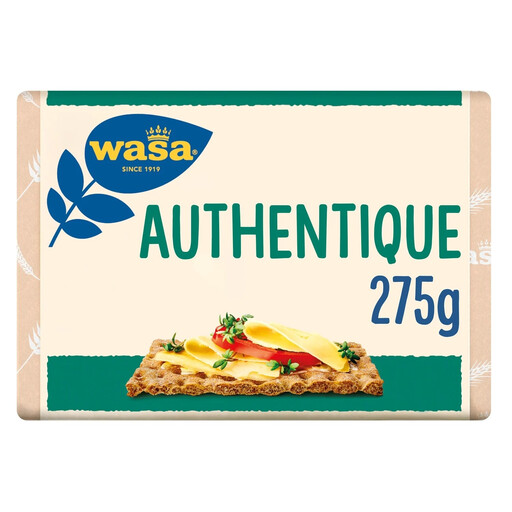 Image unavailable
Worth considering if you’d like crispbread to top for an afternoon snack. The pack contains 275 g; if you need to avoid certain foods, check the ingredients and allergen information on the packaging.
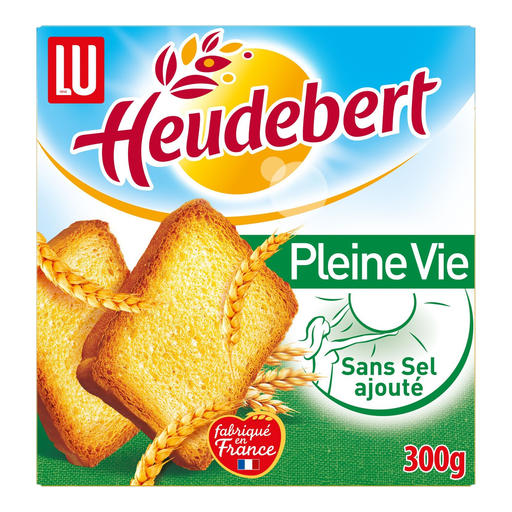 Image unavailable
A packaged bread format to consider for enjoying with coffee. The pack is listed as 300 g; if you’re specifically looking for rusks rather than sliced bread, check the product description on the packaging.
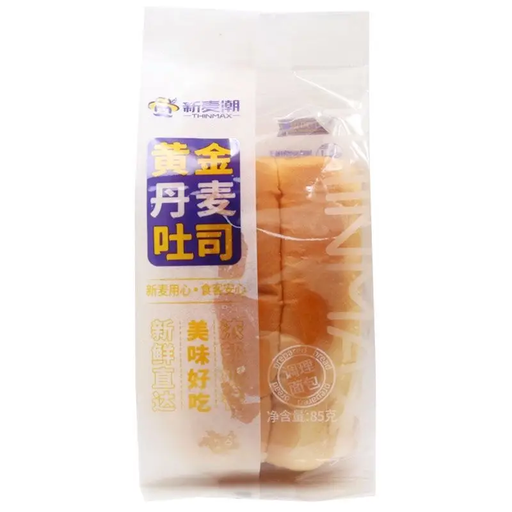 Image unavailable
This packaged toast is an option for a coffee break. It comes in an 85 g pack; don’t assume it’s sliced bread if that’s the format you’re looking for.
Check the net weight and the number of slices, if stated, then estimate how much you’ll use. For comparing ingredients, the Directorate-General for Competition, Consumer Affairs and Fraud Control states that nutritional information is given per 100 g or 100 ml.
Not necessarily. If you enjoy wholegrains, check the ingredients of the product you choose, but also consider the texture you want with your coffee. Crispbread and a soft slice of bread are suited to different uses.
Read the label on the exact pack, including the ingredients and any warnings about possible traces. The Directorate-General for Competition, Consumer Affairs and Fraud Control states that allergenic ingredients must be clearly highlighted; a recipe name, even one mentioning buckwheat, is no substitute for checking the label.
Follow the storage instructions on the pack and reseal it after each use. To help keep the crispbread crunchy, also take note of any advice about heat and humidity.