
Livraison le jour même ou le lendemain

Qualité garantie

Débloquez vos offres de bienvenue: Livraison GRATUITE | Jusqu'à -80 % | 30 jours d'essai gratuits à JoyPlus
Téléchargez l'application
Buckwheat noodles, also known as soba noodles, are making their way into more and more kitchens. Valued for their distinctive nutty flavour and nutritional benefits, they are an excellent alternative to traditional wheat pasta. Whether in a summer salad, a comforting soup, or a quick stir-fry, choosing the right buckwheat noodles can transform a simple dish into a true culinary experience.
With an ever-expanding range of options, it can be tricky to know which to choose. This guide is here to break down the key criteria and present our top picks, helping you select the buckwheat noodles that will perfectly meet your needs.
Before you buy, several factors deserve your attention. Understanding them will help you find the perfect package for your palate and your recipes.
This is arguably the number one criterion: the buckwheat content. And on this point, not all noodles are created equal.
For a healthy buckwheat noodle option, a quick look at the label is a must. Pay close attention to the protein, fibre, and fat content. Buckwheat is an excellent source of nutrients, but the final composition varies greatly from one manufacturer to another. Noodles that are low in fat and high in protein can easily fit into a balanced diet.
We have selected three products available on Joybuy, each catering to different needs.
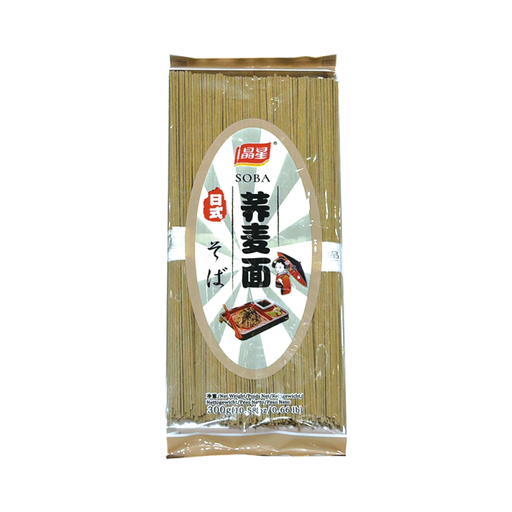
Why we love them?: With their blend of 15% buckwheat flour and 84% wheat flour, these noodles are an ideal entry point into the world of buckwheat. They combine a firm, smooth texture reminiscent of wheat pasta with a subtle buckwheat aroma. Their very low fat content (1.2g per 100g) makes them a particularly light option.
Pros:
Who is it for? For those new to buckwheat noodles who are looking for a mild flavour and a familiar texture. Also perfect for solo meals or small households.

Why we love them?: Here, we take it up a notch with a high buckwheat content: ≥50% buckwheat flour. The unique touch? The addition of 3% yam flour, which lends a texture that is both firm and tender. The buckwheat flavour is prominent, rich, and authentic.
Pros:
Who is it for? For purists and fans of authentic buckwheat flavour who are looking for a more nutritionally dense product. The generous size is perfect for families or frequent consumers.
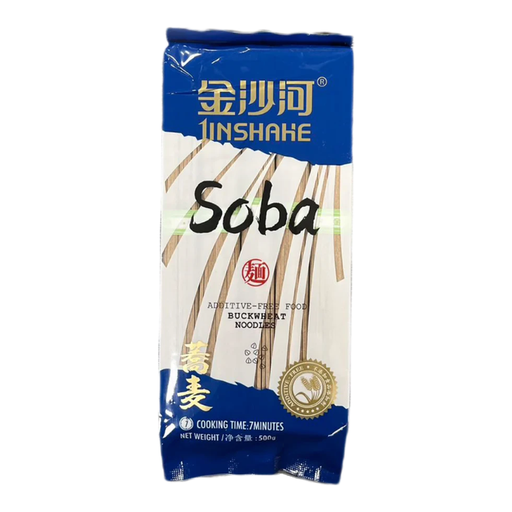
Why we love them?: The perfect middle ground. These noodles contain ≥30% buckwheat flour, offering a perfect balance between a distinct nutty flavour and a supple texture. The Jin Sha He brand is known for its carefully selected grains.
Pros:
Who is it for? The smart choice for those who love the taste of buckwheat without sacrificing an easy-to-cook texture. A reliable choice for everyday meals.
Our selection focuses on popular and well-balanced options, but the world of Asian noodles is vast. To discover other varieties, different buckwheat percentages, or other products made from this pseudo-cereal, feel free to explore our full range.
Discover All Our Buckwheat Products
The word "soba" (そば) simply means "buckwheat" in Japanese. In practice, the two terms are often used interchangeably. However, the name "soba noodles" usually refers to the Japanese recipe, which is almost always a blend of buckwheat and wheat. If you see the term "Juwari Soba," it means the noodles are made from 100% buckwheat.
This is a crucial point to be aware of. Buckwheat itself is a pseudo-cereal that does not contain gluten. However, the vast majority of commercially available buckwheat pasta is made from a blend of buckwheat flour and wheat flour. Therefore, they do contain gluten. For a gluten-free option, it is essential to look for noodles labelled "100% buckwheat" and to carefully check the ingredient list.
Cooking is simple but requires a little trick. Plunge the noodles into a large pot of boiling water and stir gently at the beginning to separate them. Follow the cooking time on the package (usually between 4 and 7 minutes). Once cooked, drain them and then immediately and thoroughly rinse them under cold water. This simple step stops the cooking process, removes excess starch, and prevents them from sticking. It's an essential step, especially if you plan to serve them in a salad.