
Livraison le jour même ou le lendemain

Qualité garantie

Débloquez vos offres de bienvenue: Livraison GRATUITE | Jusqu'à -80 % | 30 jours d'essai gratuits à JoyPlus
Téléchargez l'application
Buckwheat noodles, better known by their Japanese name soba noodles, are becoming a staple in our kitchens. Whether you're a die-hard fan of Asian noodles or looking for a healthier, more nutritious alternative to wheat pasta, buckwheat is a delicious path to explore. But with the wide array of options on the shelves, making a choice can be tough: what percentage of buckwheat should you look for? Which nutritional values deserve a closer look?
We'll break down the labels for you to help you choose wisely.
To make the right choice, a few details on the packaging make all the difference. Here are the two essential criteria to consider.
This is the game-changing factor. The buckwheat flour content determines not only the taste and texture but also the nutritional qualities of your noodles.
If you're choosing buckwheat noodles as part of a wellness-focused diet, a quick look at the nutritional label is a must. Here's what to watch for (per 100g of dry product):
To get you started, we've selected three products with distinctly different profiles, all available on our platform.
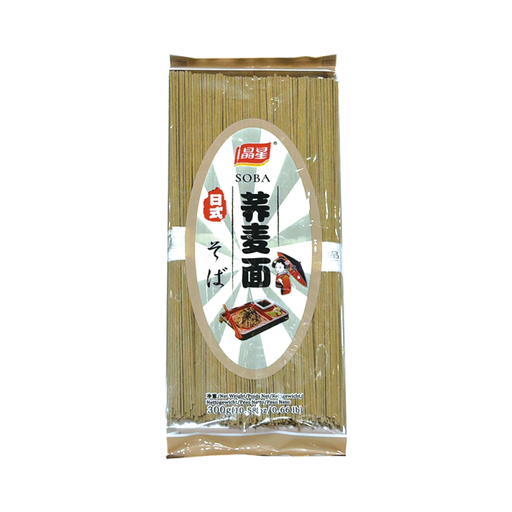
Why we love them: The perfect balance for a gentle introduction to buckwheat.
With their delicate taste, these noodles are perfect for first-timers. Their firm, smooth texture makes them highly versatile, working equally well in soups and stir-fry dishes.
Key Features:
Who is it for? This is the ideal choice for those who want to try buckwheat noodles without being overwhelmed by a strong, distinctive taste. It's also an excellent option for families.

Why we love them: An authentic taste for purists and a budget-friendly family size.
With their high buckwheat content, these noodles promise an authentic taste experience. The added bonus? The inclusion of yam, which enriches their texture and nutritional profile.
Key Features:
Who is it for? These noodles will delight fans of authentic flavours who are looking for the true taste of soba noodles. Their generous size is a smart choice for regular consumption.
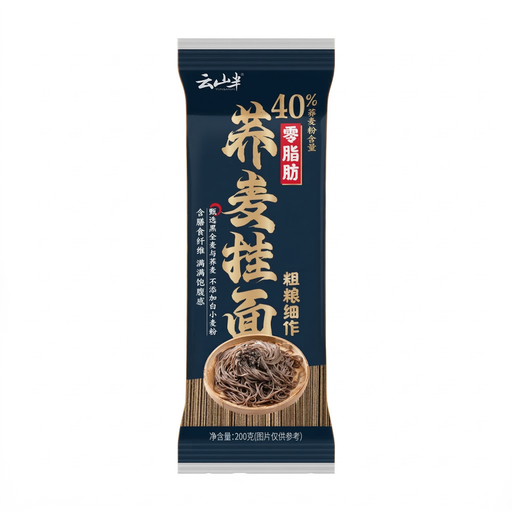
Why we love them: The dieter's best friend: zero fat, 100% flavour.
These noodles were specially designed for those watching their figure or following a strict diet. They combine the benefits of buckwheat with an impeccable nutritional profile.
Key Features:
Who is it for? Perfect for athletes, people on a diet, or anyone looking for healthy noodles without sacrificing taste.
If our selection didn't quite win you over or you're simply curious to discover other brands and flavours, there are countless other varieties of Asian noodles, each with its own composition and character.
? Explore our full range of buckwheat noodles here
Fundamentally, there is none. "Soba" (そば) is simply the Japanese word for buckwheat and, by extension, the noodles made from it. In English, both terms are often used interchangeably. However, the word "soba" has strong cultural connotations and directly refers to Japanese cuisine, especially the famous cold soba salads.
It's quick and easy. Drop them into a large pot of boiling water and cook for 4 to 8 minutes, depending on their thickness and the package instructions. Remember to stir occasionally to prevent them from sticking. Once cooked, drain them. For a salad or a cold dish, rinse them under cold water immediately after draining: this stops the cooking process and removes excess starch.
Yes, they fit perfectly into a balanced diet. Compared to traditional wheat pasta, they are generally higher in fibre and protein, which helps you feel full. For those on a diet, options like the Yun Shan Ban 0% Fat Noodles are an obvious choice. But as always, it's all about portion size and what you serve them with!
By the Joybuy Editorial Team