
Livraison le jour même ou le lendemain

Qualité garantie

Débloquez vos offres de bienvenue: Livraison GRATUITE | Jusqu'à -80 % | 30 jours d'essai gratuits à JoyPlus
Téléchargez l'application
Buckwheat noodles are becoming increasingly popular, prized for their unique nutty flavour, nutritional benefits, and essential role in Asian cuisine. But with a vast array of options available online and in stores, navigating the choices can be challenging. How do you tell the different varieties apart? Which ones are best for your recipes and lifestyle?
This guide is here to help you make sense of it all. As the Head of Product Recommendations at Joybuy, my mission is to provide you with simple, objective insights to help you make the right choice, free from marketing jargon.
Before we dive into our selection, here are the key criteria to consider when buying soba noodles or other buckwheat pasta to find the perfect match for you.
This is the number one criterion. The percentage of buckwheat in the recipe directly impacts the noodles' taste, texture, and nutritional qualities.
Often associated with healthy eating, buckwheat noodles are an excellent source of plant-based protein and fibre. If you are health-conscious or following a specific diet, here are the points to watch for:
Not all Asian buckwheat noodles react to cooking in the same way, so their final texture is a deciding factor. Some, which are softer, are ideal for hot broths as they soak up flavours without falling apart. Others, with a firmer texture, are perfect for a cold salad or a stir-fry. Keep your go-to buckwheat noodle recipe in mind when choosing.
Here are three products that stand out for their composition and culinary use, designed to suit every taste and need.
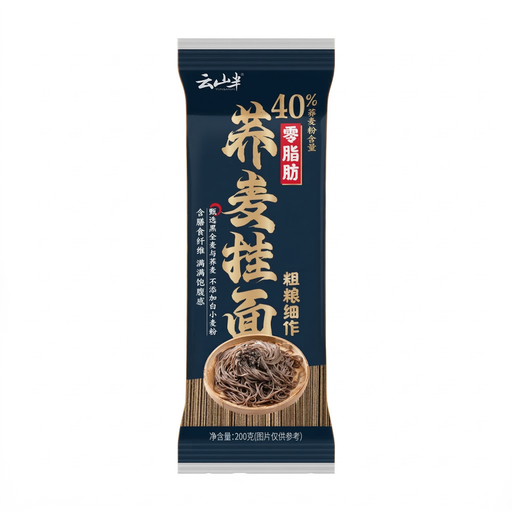
Why it stands out With 40% buckwheat flour, these noodles deliver a pronounced nutty flavour and a firm texture. Their key advantage? A fat-free recipe with a high protein content (15.3g per 100g), making them an excellent ally for those monitoring their diet.
Key features
Who is it for? This product is ideal for people on a low-fat diet who are looking for a food that is both nutritious and filling. Perfect for soups, stir-fries, or salads.
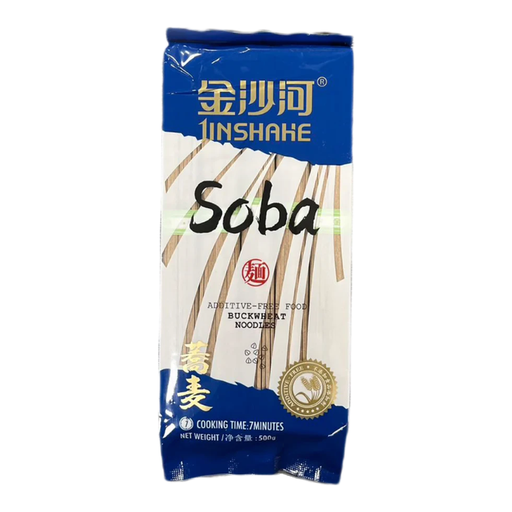
Why it stands out These noodles strike the perfect balance. With at least 30% buckwheat, they offer an authentic flavour without being overpowering. Their versatility is a major asset: they hold up well in both hot broths and cold salads, making them an ideal all-rounder for many Asian recipes.
Key features
Who is it for? The perfect choice for Asian cuisine enthusiasts who want a versatile buckwheat noodle to create a variety of dishes. Its balanced taste will appeal to both connoisseurs and newcomers discovering soba noodles.
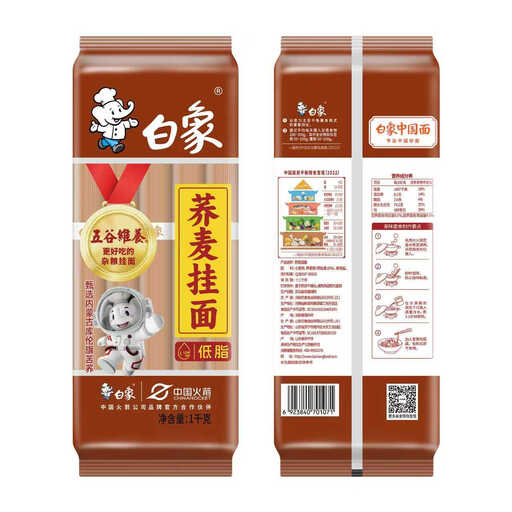
Why it stands out With only 10% buckwheat flour, these noodles are the perfect introduction to this flavour. The majority wheat flour gives them a very pleasant smooth and supple texture, reminiscent of classic pasta. Their generous 1kg size is perfect for families or regular use.
Key features
Who is it for? These noodles are perfect for those who want to incorporate buckwheat into their diet without drastically changing their habits. They are also an excellent option for families, thanks to their mild flavour and generous size.
Buckwheat pasta is an excellent starting point, but the richness of Asian cuisine lies in its diversity. To explore other textures and flavours for your broths, stir-fries, or homemade ramen, don't hesitate to branch out.
? Discover our full range of plain ramen noodles for more variety.
No, and this is a crucial point to be aware of. While buckwheat itself is a gluten-free pseudo-cereal, the vast majority of commercial buckwheat noodles (including soba noodles) are made with a blend of buckwheat and wheat flour. Wheat, of course, contains gluten. Therefore, always read the ingredient list carefully if you are on a gluten-free diet.
"Soba" (そば) is simply the Japanese word for buckwheat. By extension, it refers to noodles made from this plant. Commercially, the term soba noodles often refers to thin, Japanese-style noodles. The more generic terms buckwheat noodles or buckwheat pasta can encompass a much wider variety of shapes and compositions.
Here is a foolproof tip for a perfect buckwheat noodle recipe every time. Drop them into a large pot of boiling water, stirring occasionally. Once cooked (preferably al dente), drain them and immediately rinse them thoroughly with cold water. This simple step instantly stops the cooking process and removes the excess starch that makes them sticky. It is an absolutely essential step, especially if you are preparing them for a salad.