Hosts welcoming someone with coeliac disease
A “gluten-free” label on the product isn’t enough to plan the whole meal: toppings, worktops and utensils also need attention. AFDIAG recommends avoiding cross-contamination during preparation.


For a Christmas meal with someone who has coeliac disease, choose a crêpe, galette or ingredient explicitly labelled “gluten-free” rather than relying on the name of a flour alone. Ready-made bases mean you don’t have to prepare batter on the day; making it yourself gives you more control over the menu, but you’ll need to check every ingredient you add. In either case, AFDIAG advises avoiding contact with surfaces, utensils or foods that contain gluten.
A “gluten-free” label on the product isn’t enough to plan the whole meal: toppings, worktops and utensils also need attention. AFDIAG recommends avoiding cross-contamination during preparation.
Ready-made sweet crêpes or savoury galettes let you focus on the toppings and serving. Carrefour and Auchan list options explicitly described as gluten-free; check the product and its availability when you shop.
Making your own batter lets you choose the ingredients and toppings. That flexibility means checking everything you add: AFDIAG, for example, has a recipe using rice flour and cornflour or corn starch.
Start by checking for a “gluten-free” label and planning how you’ll use the kitchen. Then choose between a ready-made base and batter you prepare yourself, depending on how much time you have and how much you want to customise the menu.
| What matters | What to check | Who it’s for |
|---|---|---|
| Gluten-free product and serving | The “gluten-free” label on the pack you buy; toppings and any possible contact with crumbs or utensils used for gluten-containing foods. | If I’m hosting someone with coeliac disease, I want to check the product and make sure it doesn’t come into contact with wheat-based dishes during the meal. Around 50% of consumers would put this precaution at the top of their list. |
| Quick serving | A sweet or savoury base to suit the menu; the pack size, number of pieces and local availability. | To serve the meal without making all the batter on Christmas Day, I’m looking for ready-made crêpes or galettes. This convenience would be the main priority for around 30% of consumers. |
| Customising the menu | The ingredients needed for the recipe and the information on each one, including anything added to the batter. | If I want to choose the ingredients and toppings myself, I can set aside time to make and cook the batter. Around 20% of consumers would put this flexibility first. |
The name of the flour alone doesn’t tell you whether the finished product is gluten-free or how it was prepared. For someone with coeliac disease, this distinction matters for a galette served as part of your Christmas meal, too.
Choose a product explicitly labelled “gluten-free” and read the packaging of the one you buy.
Toppings, crumbs on the worktop or a shared utensil can compromise your gluten-free meal preparations. AFDIAG specifically highlights the importance of surfaces and utensils.
Check toppings separately and prepare the gluten-free option on a clean surface, using clean or dedicated utensils.
Lidl France’s customer service says that its gluten-free products are available occasionally rather than as part of a permanent range. Availability of a particular product can also vary from one shop to another.
Check what’s available near you before finalising your menu, and have another preparation option in mind.
Carrefour lists sweet crêpes and buckwheat galettes in this range, both described as gluten-free.
Auchan lists this brand’s organic gluten-free buckwheat galettes in a pack of four, weighing 280 g.
Auchan lists a Maïzena mix for making gluten-free crêpes, waffles and pancakes.
This Marque Repère range from E.Leclerc includes an all-purpose gluten-free flour for home cooking.
Lidl France has published a gluten-free crêpe recipe using rice flour and cornflour.
These two ingredients match the rice flour and cornflour used in one of AFDIAG’s homemade crêpe recipes. They’re not ready-to-fill crêpes or a complete batter mix, so check each pack you buy for a “gluten-free” label and make sure you have the other ingredients you need.
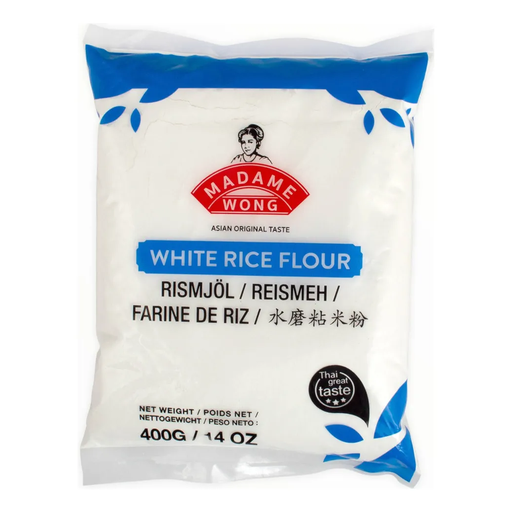 Image unavailable
Consider this for homemade batter using rice flour, as in AFDIAG’s recipe. This flour doesn’t replace the other recipe ingredients; check the pack you buy for a “gluten-free” label and avoid contact with preparations containing gluten.
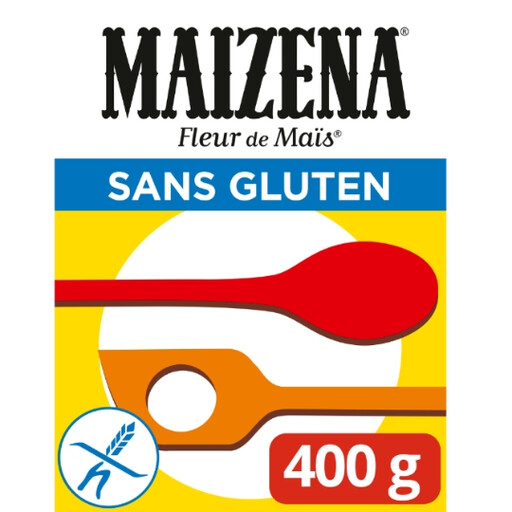 Image unavailable
Consider this for the cornflour used in AFDIAG’s crêpe recipe. It’s an ingredient, not the Maïzena crêpe mix: follow a recipe, check the pack you buy for a “gluten-free” label and check the other ingredients, too.
No. The word “buckwheat” in the product name isn’t enough to establish that the finished galette is gluten-free. Look for a “gluten-free” label on the pack, then protect the galette and its toppings from contact with foods containing gluten, as AFDIAG recommends.
Commission Implementing Regulation (EU) No 828/2014 permits this claim when the food, as sold to the final consumer, contains no more than 20 mg/kg of gluten. A “gluten-free” label on the flour or crêpes you buy doesn’t automatically cover any ingredients added afterwards.
Prepare the gluten-free version first, using a clean worktop, washed hands and clean or dedicated utensils. AFDIAG also recommends keeping ingredients separate and not reusing oil or cooking water that has been used for foods containing gluten.
No. Auchan’s listing for the Maïzena crêpe mix says that added ingredients must also be gluten-free. Check sauces, fillings, chocolate and other accompaniments separately before serving.
Check what your local shop has available before building your menu around a particular product. Lidl France has published a gluten-free crêpe recipe, but its customer service says gluten-free products are available occasionally and aren’t part of a permanent range.