
Livraison le jour même ou le lendemain

Qualité garantie

Débloquez vos offres de bienvenue: Livraison GRATUITE | Jusqu'à -80 % | 30 jours d'essai gratuits à JoyPlus
Téléchargez l'application
Making bubble tea at home sounds simple enough: a tea base, some ice and a topping. Yet a few common mistakes can turn an appealing purchase into something impractical, overly sweet or ill-suited to your habits.
Popping boba pearls are encased in a thin membrane that bursts with juice when you bite into them. They offer a surprising texture and a fruity note, with flavours like strawberry popping boba, mango or lychee.
Tapioca pearls, on the other hand, are soft and chewy. They are inseparable from traditional milk tea and usually need to be cooked in hot water. Buying popping boba expecting the texture of a Taiwanese milk tea could therefore come as an unwelcome surprise.
"Strawberry", "mango" or "matcha" don't always give you a clear idea of the ingredients. Depending on the product, the taste may come from juice, purée, fruit powder or simply flavourings. Take the time to check the ingredient list, any colourings present and the net weight.
For example, the product page for O'S BUBBLE Popping Boba Strawberry shows 45g of sugars per 100g. That's a figure worth keeping in mind if you're already adding syrup, a sweetened drink or cream.
A 120g pot is fine for trying the product or for occasional use. The 450g and 3.4kg sizes are better suited to large families, cafés, tea rooms and regular enthusiasts. You also need to distinguish between products that can be stored at room temperature and those that must be refrigerated after opening.
Always read the label to check the best-before date, storage conditions and how long the product lasts once opened.
For a fruity drink, yoghurt, ice cream or dessert, fruit pearls for desserts and popping boba are easy to portion. They are generally ready to add straight away.
If you're after a drink closer to traditional bubble tea, go for a bubble tea kit with tapioca pearls. Some individual kits already combine 50g of pearls with 35g of milk tea powder. However, a cooking step is still needed: the JENI PLAYB instructions specify 5 to 7 minutes in boiling water, followed by a rinse in cold water.
European regulations require the main allergens to be listed, but reading the label is still essential. Milk tea powders may contain milk, soya or cereal-based ingredients. Even when a product is described as "non-dairy", the packaging may warn of traces of milk.
Xiang Piao Piao Mango Pudding Milk Tea contains milk and sweeteners. The JENI PLAYB kits also note a risk of traces of milk. If you have an allergy, only the up-to-date labelling on the packaging should be relied upon.
Individual kits are handy for the office, student accommodation or trying several flavours without being left with large pots to use up. Family and professional sizes reduce the need for frequent restocking, but require a bit more organisation.
Compare the quantity per serving, the number of sachets, the total weight and the preparation method. For a cold drink, start by dissolving the powder in a little hot water, then add cold water and ice. This will help you avoid lumps.
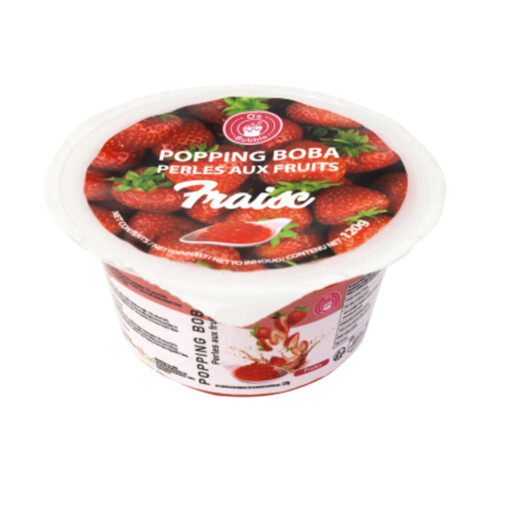
Why this suits this profile: At 120g, this size lets you try strawberry popping boba without investing in a large stock. It works equally well in drinks, desserts and yoghurts.
The 120g weight reduces the risk of a large container gathering dust in the cupboard. The product page states it can be stored at room temperature, in a dry place away from light.
A compact size, no allergens declared on the product page and plenty of possible uses. However, the presence of colouring E129 is worth noting for parents.
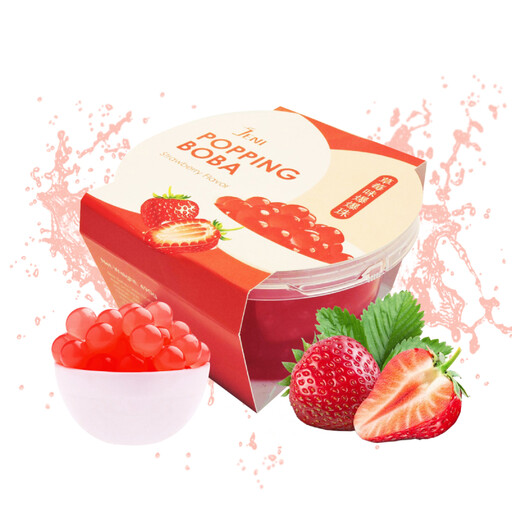
Why this suits this profile: The 490g size is ideal for people who regularly make drinks and desserts with a fruity topping.
Described as a ready-to-use topping that can be stored at room temperature, the product saves you from having to prepare pearls before each drink.
The product page mentions strawberry juice in the pearls and recommends using them with milk tea, ice cream, smoothies and desserts.
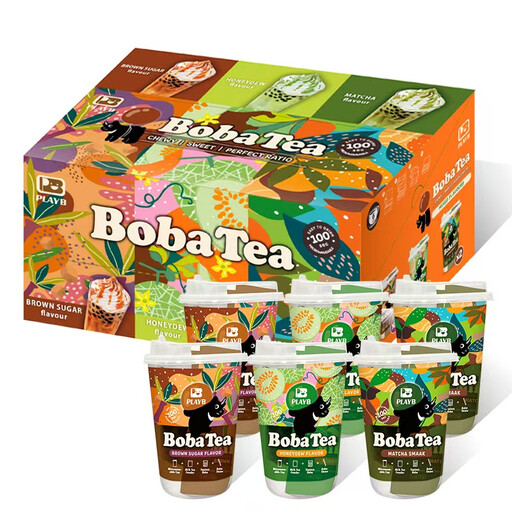
Why this suits this profile: The six cups offer two servings of brown sugar, two of matcha and two of honeydew, with the tapioca pearls included.
The separate portions mean you don't have to weigh out the powder and topping each time. The pearls still need cooking, as per the instructions.
Six individual servings, three flavour profiles and the option to prepare with hot water, milk or a plant-based drink.
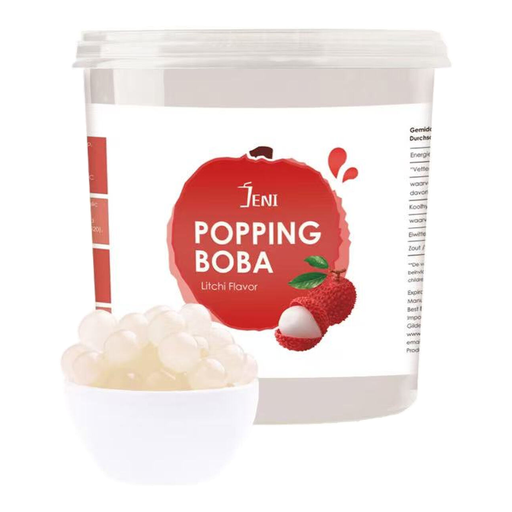
Why this suits this profile: This professional-sized pack meets the needs of a café, tea room, caterer or household that regularly uses bubble tea toppings.
The large size reduces the risk of running out when the pearls are used for many drinks or desserts. However, make sure you have a dry storage space and check the storage conditions after opening.
A lychee flavour, ready-to-use pearls and a 3.4kg size. The product page recommends them for bubble teas, ice creams, yoghurts, cocktails and desserts.
We've selected a full range, updated in real time, of products that meet these demanding criteria and European safety requirements.
For a matcha bubble tea, a lightly sweetened base balances the flavoured powder better. In a strawberry bubble tea or honeydew bubble tea, popping boba enhance the fruity note without needing any cooking.
Their texture deteriorates quickly. So only prepare the amount you need and follow the manufacturer's recommendations. Cooked pearls are generally meant to be eaten straight away, rather than kept for several days.
It all depends on the size you buy, the base you choose and how much topping you use per glass. Individual sachets make it easy to work out the cost per serving, while 450g pots or larger ones are often better value for regular use. Always compare the price per weight, not just the price on the packet.
Yes. They go very well with yoghurts, ice creams, smoothies, bowls and frozen desserts. Before serving them, especially to children, do check the allergens, colourings and storage conditions stated on the packaging.