
Livraison le jour même ou le lendemain

Qualité garantie

Débloquez vos offres de bienvenue: Livraison GRATUITE | Jusqu'à -80 % | 30 jours d'essai gratuits à JoyPlus
Téléchargez l'application
Choosing a bottle of brut Champagne can quickly become a daunting task given the overwhelming number of options. Yet, whether you're celebrating a major occasion, giving a memorable gift, or simply elevating an aperitif, finding the right cuvée is essential.
This guide is here to help you gain some clarity. We'll break down the key selection criteria and present our favourite bottles, from prestigious houses to excellent, more accessible sparkling wines. The goal is to give you all the tools you need to make the right choice, tailored to your taste and budget.
Before you settle on a bottle, a few key points deserve your attention. Understanding these nuances will help you find the cuvée that perfectly suits the event and your preferences.
The term "Champagne" is a protected designation of origin (AOC) strictly reserved for sparkling wines from the Champagne region of France. However, excellent brut sparkling wines are produced elsewhere in the world using similar methods, offering superb alternatives.
The event you're buying for is arguably your best guide.
The term Brut is the most common and means the Champagne is dry, with a low residual sugar content (usually less than 12 grams per litre). This is what gives it its freshness and versatility.
To help you choose, here are three bottles that meet different needs and budgets, each with its own distinct personality.
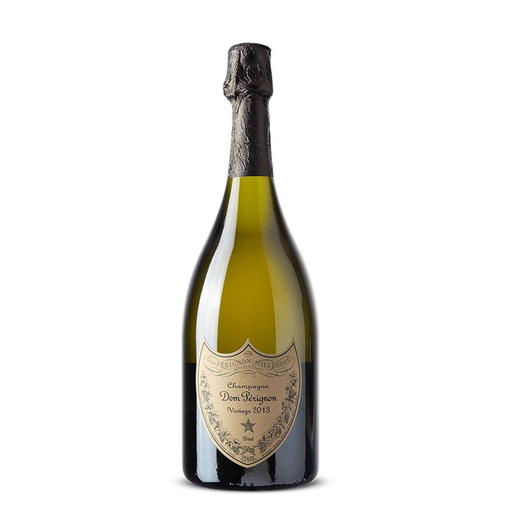
Why it stands out: Dom Pérignon is exclusively a vintage Champagne, with each bottle reflecting a single year's harvest. It embodies a quest for balance and complexity, establishing itself as a symbol of luxury and excellence. Its reputation is built on its depth and aromatic precision.
Pros:
Who is it for?: For connoisseurs and occasions that truly matter: a wedding, a milestone birthday, or a top-tier corporate gift. The choice for those seeking an unforgettable tasting experience.
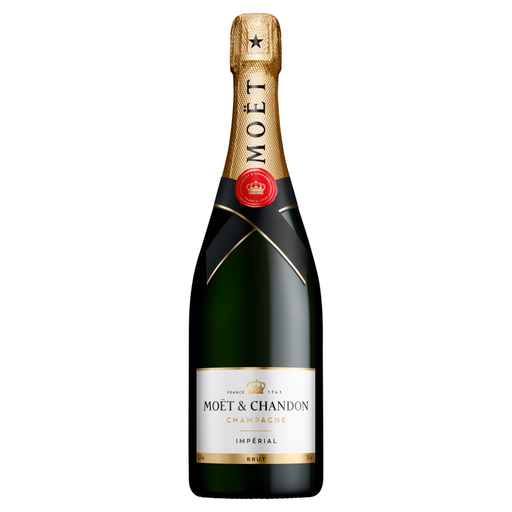
Why it stands out: Brut Impérial is the iconic cuvée of the house of Mo?t & Chandon, prized for its balance and consistency. Its blend of Pinot Noir (40%), Meunier (40%), and Chardonnay (20%) gives it a vibrant fruitiness (apple, pear, white peach) and an elegant maturity with brioche notes.
Pros:
Who is it for?: Perfect for anyone looking for a reliable and elegant aperitif Champagne. It's an excellent choice for a reception, a dinner with friends, or as a Champagne gift idea that always hits the mark.
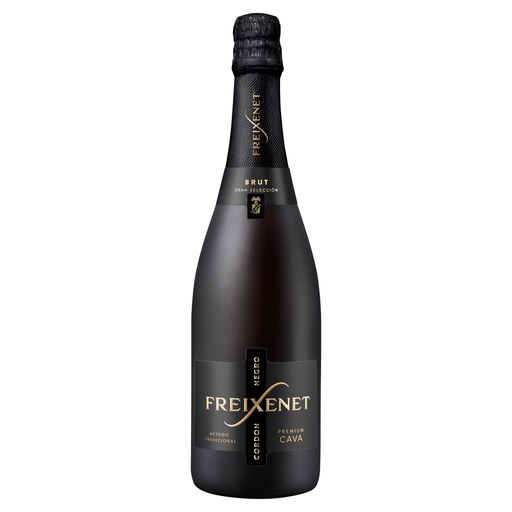
Why it stands out: Recognisable by its frosted black bottle, Cordon Negro is one of the most famous Cavas in the world. Made from traditional Spanish grape varieties (Macabeo, Parellada, Xarel·lo), this brut sparkling wine charms with its freshness, fine bubbles, and aromas of citrus and green apple.
Pros:
Who is it for?: The smart choice for large gatherings, cocktail parties, or for those who want quality bubbles without necessarily choosing a Champagne. The ultimate choice for social events.
Our selection is just a glimpse. The world of sparkling wine is vast and full of wonderful discoveries. To explore other houses, rosé cuvées, or specific vintages, feel free to browse our full catalogue.
Discover our complete Champagne collection on Joybuy
The main difference lies in the sugar content. A Brut Champagne is dry, with less than 12?g/L of sugar. A Demi-Sec Champagne, on the other hand, is noticeably sweeter (between 32 and 50?g/L), which makes it better suited for desserts.
To preserve all its qualities, a bottle of Champagne should be stored on its side in a cool place (between 10 and 12?°C), away from light and vibrations. This keeps the cork moist, ensuring a perfect seal.
The price range is very wide. A good non-vintage brut Champagne from a grower or cooperative can usually be found for between €20 and €30. For a major house like Mo?t & Chandon, expect to pay between €40 and €60. As for prestige cuvées, like a Dom Pérignon, prices can climb to several hundred euros depending on the vintage.