
Livraison le jour même ou le lendemain

Qualité garantie

Débloquez vos offres de bienvenue: Livraison GRATUITE | Jusqu'à -80 % | 30 jours d'essai gratuits à JoyPlus
Téléchargez l'application
Whether you're a calligraphy enthusiast, a bullet journal aficionado, or a budding illustrator, the right brush pen can transform the quality of your projects. With a vast array of choices on the market, it can be difficult to navigate the different types of ink, tips, and colour palettes.
As the Head of Product Recommendations at Joybuy, my mission is to help you make an informed decision. This guide is designed to give you practical advice and a selection of tried-and-tested products, helping you find the ideal brush pen set for your projects—all without unnecessary marketing jargon.
Before diving into our selection, let's review the key criteria for making the right choice.
The choice of ink primarily depends on your intended use.
The tip is the heart of the brush pen. It determines the line width variation.
The colour selection depends entirely on your style and projects. Sets with soft, pastel shades are very popular for organising planners and bullet journals. Vibrant and extensive palettes will appeal more to illustrators, while monochrome or neutral-toned sets are often sufficient for getting started with calligraphy.
After sifting through the market's options, we have curated a balanced selection designed for different uses and skill levels.
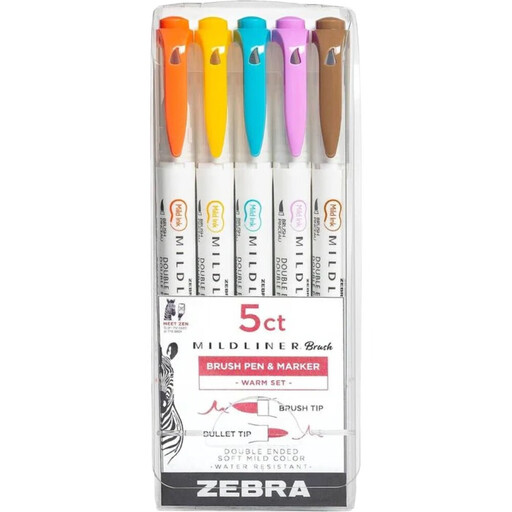
Why it stands out: The Mildliner range is already a benchmark for its soft-hued highlighters. This version features its iconic colours while adding the versatility of a dual-tip pen.
This set draws inspiration from the warm colours of California for a soft and harmonious palette. The water-based ink is formulated to resist bleeding through most paper, a major plus for notebook and bullet journal users.
Highlights:
Who is it for? Ideal for students, bullet journal and scrapbooking enthusiasts, or anyone looking to add a subtle touch of colour to their notes and creations.
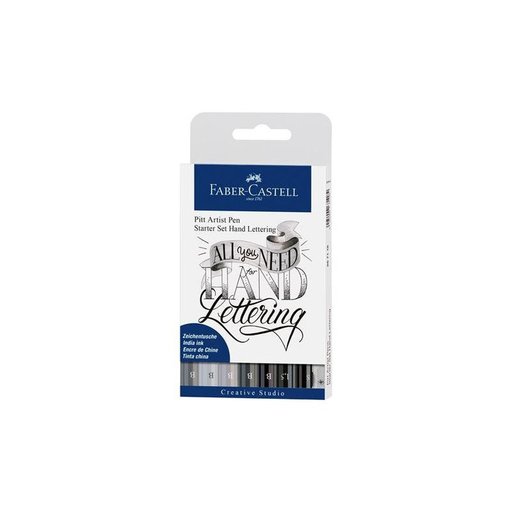
Why it stands out: Here, we move to a more professional-grade tool featuring pigmented India ink. It's the tool of choice for work you want to preserve.
The ink quality ensures excellent water resistance and lightfastness, so your creations won't fade over time. The set includes a selection of assorted tips (brush, fine, chisel) specifically designed for lettering pens and calligraphy.
Highlights:
Who is it for? This set is for artists, calligraphers, and illustrators seeking professional and long-lasting results. It's perfect for creating cards, invitations, or works of art.
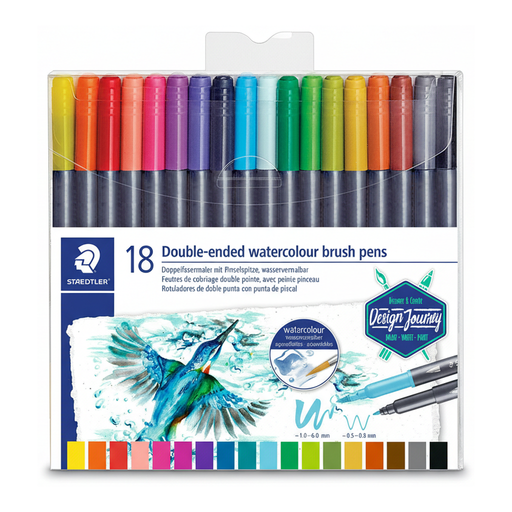
Why it stands out: With its 18 vibrant colours and dual tips, this brush pen set offers impressive versatility for a multitude of creative projects.
Its key advantage: a fully water-soluble, water-based ink. You can apply colour directly to the paper and then work it with a wet brush to achieve blending and gradient effects worthy of traditional watercolours. It's an excellent tool for illustration and mixed media.
Highlights:
Who is it for? Perfect for illustrators, amateur artists, and crafting enthusiasts who want to explore watercolour techniques without the mess of paint tubes.
Our selection focuses on specific uses, but the world of creative pens is vast. To explore a wider range, discover other colour palettes, or find complementary tools, feel free to browse our full collection.
? Explore our complete collection of coloured pens and find the perfect tool for your next project.
1. What is the difference between a brush pen and a classic marker? The main difference lies in the tip. A brush pen has a long, flexible, cone-shaped tip (made of nylon or felt) that mimics the feel of a real paintbrush. It allows you to vary the line thickness based on pressure, something a classic marker with a chisel or bullet tip cannot replicate with the same fluidity.
2. How can I prevent brush pen ink from bleeding through paper? Paper choice is crucial. Opt for smooth paper with a high weight (at least 100 gsm for simple lettering, and 200 gsm or more if you're using water). Special paper for alcohol markers or drawing is an excellent option. In any case, it's always a good practice to test on a scrap piece of paper before you begin.
3. Can you really use a brush pen for calligraphy? Absolutely. The brush pen has established itself as a favourite tool for modern calligraphy, or brush lettering. Its flexible tip makes it easy to create the downstrokes (thick descending lines) and upstrokes (thin ascending lines) that characterise this writing style. For traditional calligraphy, pens with firmer tips or sets like the Faber-Castell Pitt Artist are often recommended.