
Livraison le jour même ou le lendemain

Qualité garantie

Débloquez vos offres de bienvenue: Livraison GRATUITE | Jusqu'à -80 % | 30 jours d'essai gratuits à JoyPlus
Téléchargez l'application
Whether you're an illustrator, a calligraphy enthusiast, or a passionate crafter, you've undoubtedly come across the brush pen. But with an overwhelming number of options available, it's easy to get lost and end up disappointed. A tip that frays after just a few strokes, ink that bleeds through your favourite notebook, colours that turn dull... a bad experience is just around the corner.
This guide is here to help you navigate this world and choose the perfect brush pen for your projects, without being fooled by marketing hype.
Before diving into the technical specs, it's crucial to know the most common disappointments so you can steer clear of them.
For a successful purchase, focus on these three pillars that define the quality and versatility of a good brush pen.
This is the heart of your tool. Its quality determines your entire drawing experience. The best-performing tips are made of synthetic fibres (like nylon), which combine flexibility with excellent shape retention. They allow you to switch from an ultra-fine line to a broad stroke simply by varying the pressure, without wearing out prematurely. A good tip instantly springs back to its original shape.
The ink determines the primary use of your pen. There are three main types:
The dual-tip pen is a solution that is as practical as it is economical. It usually combines a flexible brush tip, for broad strokes and expressive lines, with a fine tip (like a fineliner) for details, outlines, and writing. This format is a favourite among illustrators and designers who need to switch between line weights without changing tools every five minutes.
Rather than an endless list, here are three reliable choices that meet specific needs, all selected according to the quality criteria we've just detailed.
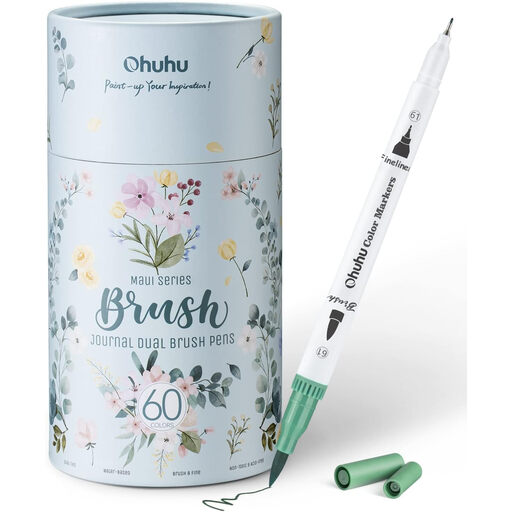
Why we chose it: The perfect kit to get started with colouring, *lettering*, or *bullet journaling*. This set offers a very wide range of colours and the versatility of a dual tip, all at a very affordable price.
It sidesteps the trap of a limited palette by offering 60 vibrant colours. Its dual tip saves you from having to buy two separate types of pens.
Its water-based ink is easy to use and allows for watercolour effects on suitable paper. The kit even includes replacement tips for an extended lifespan.
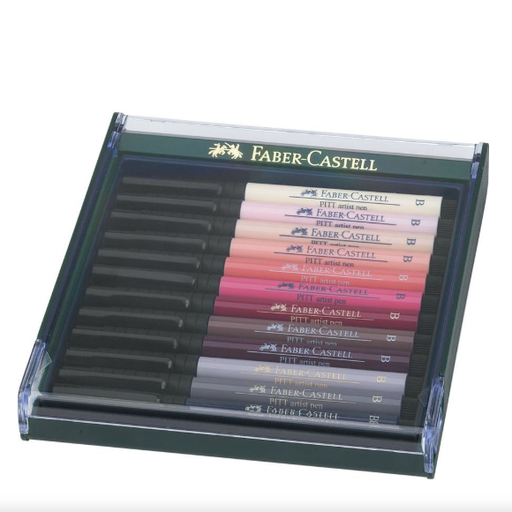
Why we chose it: The absolute benchmark for artists who make no compromises on quality. This set is a must-have for character design and works meant to last, thanks to its archival-quality ink.
It solves the problem of fading inks. Its highly lightfast pigmented India ink ensures the longevity of the original artwork's colours.
A highly responsive nylon fibre brush tip that retains its shape. The ink is permanent and waterproof once dry, as well as odourless and pH-neutral.
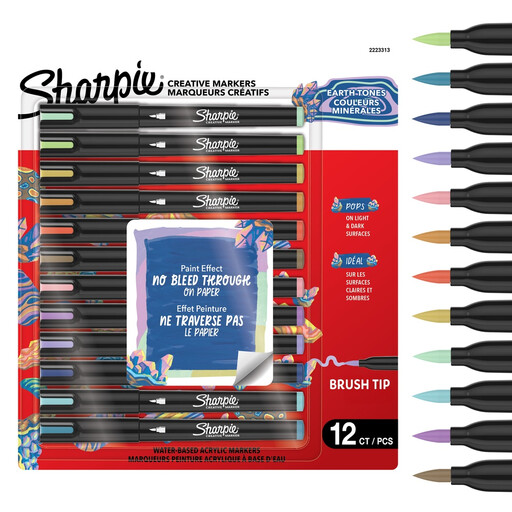
Why we chose it: Perfect for artists and crafters who want to customise objects and work on various surfaces like wood, ceramic, canvas, or glass. The finish is opaque and vibrant, very similar to paint.
It puts an end to the problem of pens that only work on paper. Its acrylic ink is designed for multi-surface application, including on dark backgrounds.
A water-based acrylic ink that provides an opaque, no-smudge finish. It's ready to use right out of the box—no need to shake it before use.
We've curated a complete selection of products that meet our strictest quality criteria.
The golden rule: always cap the pen tightly immediately after use. For most models, storing them horizontally is also recommended to ensure even ink flow to the tip and maximise their lifespan.
A water-soluble pen contains a water-based ink that can be diluted and worked with a wet brush to create wash effects. Conversely, a pigment-based ink pen (like India ink) becomes permanent and waterproof once dry. It will not "move" when it comes into contact with water, which is ideal for layering colours or adding details to a watercolour without smudging.
Absolutely. The brush pen is even the go-to tool for learning modern calligraphy (brush lettering). Choose a model with a tip that is both flexible and responsive, which will allow you to easily master the alternation between thick downstrokes and thin upstrokes.