
Livraison le jour même ou le lendemain

Qualité garantie

Débloquez vos offres de bienvenue: Livraison GRATUITE | Jusqu'à -80 % | 30 jours d'essai gratuits à JoyPlus
Téléchargez l'application
For restaurant professionals and large families alike, optimising procurement costs is a priority, but not at the expense of quality. Broken rice stands out as a cost-effective and versatile solution. Though often overlooked, it offers significant culinary and budgetary advantages. This guide is designed to walk you through the selection criteria to find the bulk rice that precisely meets your needs.
Broken rice, as its name suggests, consists of rice grains that were fractured during the hulling or polishing process. Far from being a lower-quality by-product, it has its own unique characteristics:
Buying in large quantities, such as a 20 kg bag of broken rice, requires careful consideration. Here is some practical advice to help you make an informed choice that aligns with consumer expectations and current standards.
Each rice variety has its own aromatic profile and texture. The right choice will depend on your menu.
The term "broken" can refer to different grain sizes.
For professional use, especially as rice for restaurants, food safety is paramount. Pay close attention to the information provided by the manufacturer. Certifications like BRC (British Retail Consortium) are a guarantee of compliance with internationally recognised quality and food safety standards. Also, ensure the product complies with European regulations, particularly regarding the absence of GMOs and adherence to microbiological thresholds.
As a Joybuy Product Recommendation Officer, my role is to present options that stand out for their suitability for specific uses. Here is a selection of products available in large formats.
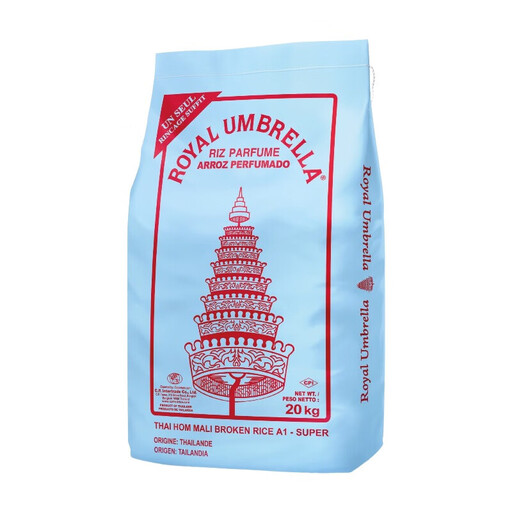
Why we recommend it: This product combines the iconic fragrance of Thai Hom Mali rice with the convenience of double broken rice. The BRC certification mentioned by the manufacturer, Terr'Asia, attests to a monitored production process—a key point for professionals. Its 20 kg format is perfectly suited for high-volume use.
Advantages:
Who is this product for?: Ideal for Asian cuisine restaurants, caterers, and institutions that regularly prepare dishes with fragrant rice and are looking for a tender texture.
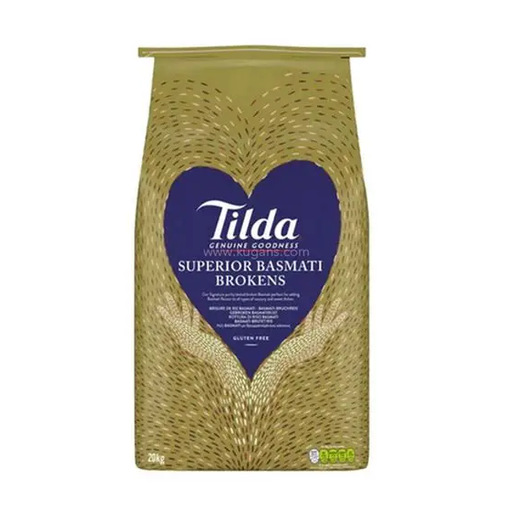
Why we recommend it: The Tilda brand is widely associated with high-quality basmati rice. This broken rice version provides access to the typical flavour and aroma of basmati at a more accessible price point. It's an excellent option for those who don't want to compromise on taste while managing their budget.
Advantages:
Who is this product for?: Perfect for establishments specializing in Indian or Middle Eastern cuisine, as well as for consumers who love the flavour of basmati and want to use it in soups, stuffings, or slow-cooked dishes.
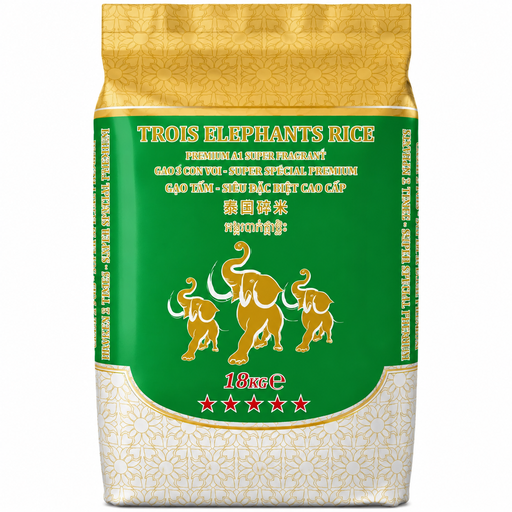
Why we recommend it: This product stands out for its originality. The double broken rice is smoked, offering a unique flavour profile. As indicated by the manufacturer TT FOODS, its very fine texture makes it primarily intended for food processing. It's a creative base for the food industry or adventurous chefs.
Advantages:
Who is this product for?: Mainly aimed at players in the food processing industry, manufacturers of ready-made meals, instant porridges, snacks, or infant cereals, as well as brewers.
The selection above highlights products that meet well-defined needs. However, the world of rice is vast. If your criteria are different or if you simply want to explore a wider range, other varieties and formats are available.
To discover other products, including a varied selection of fragrant broken rice, you can browse our full catalogue.
The main difference is physical: broken rice is composed of fractured grains, while whole grain rice has intact grains. This affects the texture and cooking time. Broken rice cooks faster and yields a softer, stickier consistency. Nutritionally, the values are very similar.
Broken rice generally requires slightly less water and a shorter cooking time than whole grain rice. A good starting point is to use a 1:1.5 ratio (1 part rice to 1.5 parts water) and adjust according to the desired consistency. It is not always necessary to rinse it, especially if you are aiming for a very sticky texture for porridges or rice cakes.
Although versatile, broken rice is not always interchangeable with long-grain rice. For dishes where the grains need to remain firm and separate, like a pilaf or a rice salad, whole grain rice (such as basmati) remains a better choice. Broken rice excels in dishes where a creamy or sticky texture is desired.