What should you consider after a breakdown?
First, assess the appliance’s condition and whether it can be repaired. Then compare the alternatives against how quickly you need to use it again. If you’re replacing it, compare the features of models suited to your household rather than looking only at the appliance type.
Professional repair
Consider this: if the appliance can be assessed and you’d like to keep it.
Bear in mind: your decision will depend on the diagnosis, the appliance’s overall condition and how long repairs will take.
Second-hand or refurbished
Consider this: if a used appliance meets your needs and its condition is clearly described.
Bear in mind: check the item and any associated services for each individual offer.
New appliance
Consider this: if you need to replace the appliance and want features that suit how you use it now.
Bear in mind: new doesn’t automatically mean better suited to your needs. You’ll still need to compare dimensions, capacity and other practical considerations.
| What matters to you |
What to check |
Consumers concerned |
| Assessing a repair |
Ask a professional for a diagnosis and weigh the proposed repair against the appliance’s overall condition and how long it will be out of action. Separately, check the conditions for the Repair Bonus with a QualiRépar-certified repairer. |
If my appliance can still be used, I’d rather find out whether it can be repaired before replacing it. Around 31% of consumers would make this their priority. |
| Getting back up and running quickly |
Work out how long you can wait, then check the dimensions, connections, and delivery and installation arrangements for the appliance you’re considering. |
When I can’t wait for an uncertain repair, my main priority is finding an appliance I can use when I need it. Around 25% of consumers would share this priority. |
| Choosing a used appliance |
Check the condition of the item, the functions listed, any accessories and the seller’s identity. Distinguish between a second-hand appliance and one described as refurbished. |
I’m happy to buy a used appliance if I can clearly see what I’ll receive. Around 19% of consumers would make this their main concern. |
| Choosing an appliance to suit your needs |
Compare the capacity, energy use and noise levels of models suited to how you’ll use them. Check the durability or repairability index where applicable to that category. |
If I replace my appliance, I want it to suit my household’s current needs better and be able to assess how repairable it is. Around 25% of consumers would make this their priority. |
Brands to consider
There are no brands to feature in this section.
Appliances for specific replacement needs
These washing machines may be worth considering if your broken appliance is a washing machine; the two handheld vacuums are better suited to occasional cleaning. Before choosing one of these models, check that it meets your needs, along with the condition of the item on offer and the delivery arrangements. Featuring them here doesn’t determine whether your current appliance can be repaired.
 Image unavailable
Candy TCA464TM4-S ProWash 500, 6 kg washing machine
Worth considering as a replacement if a 6 kg capacity and top-loading design suit your household.
The product listing specifies a 1,400 rpm spin speed, B energy rating, Wi-Fi connectivity and 17 programmes. Compare the specifications shown for the item on offer and check the installation requirements.
View on Joybuy
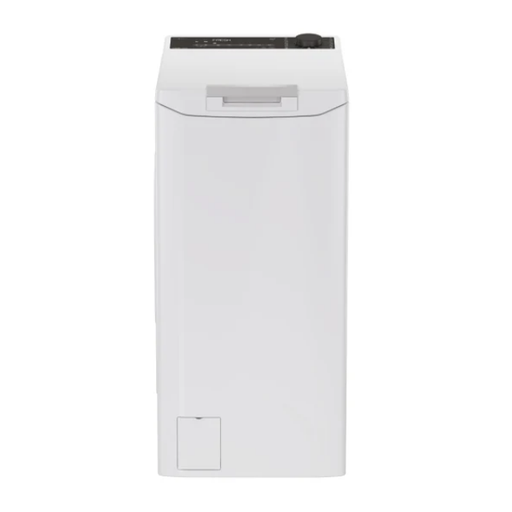 Image unavailable
Haier T Series 7 THASN276TM6-S, 7 kg washing machine
Worth considering if you’re replacing a washing machine and want a top-loading model with a 7 kg capacity.
The product listing specifies 1,200 rpm, an A energy rating, a steam function, an Inverter motor and Wi-Fi. In particular, check that it will fit in the space available and review the stated noise level for the item on offer.
View on Joybuy
 Image unavailable
Electrolux EWF1410N2, 10 kg front-loading washing machine
Worth considering as a replacement if your household’s laundry needs call for a 10 kg capacity and front-loading design.
The product listing specifies Steam Anti-Allergy and TimeSave functions, as well as an Inverter motor. Check that the capacity and dimensions really suit how you’ll use it and the space available.
View on Joybuy
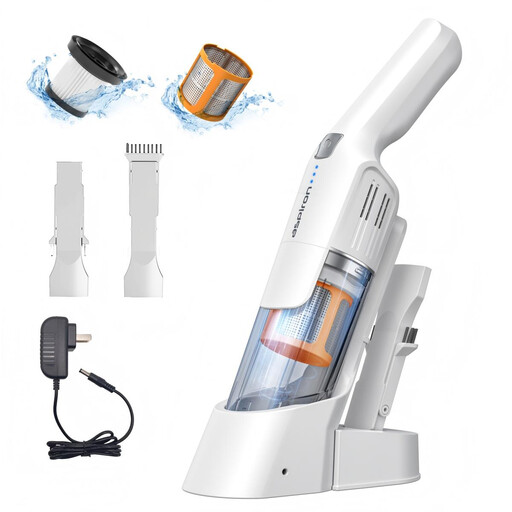 Image unavailable
Aspiron AS-CA038, cordless handheld vacuum cleaner
Worth considering if your old appliance was used for quick clean-ups at home or in the car, rather than cleaning your whole home.
The product listing specifies a 500 ml dust container, two power settings, a HEPA filter, a charging dock and two-in-one attachments. Check the suction specifications for the version on offer before deciding whether it suits your needs.
View on Joybuy
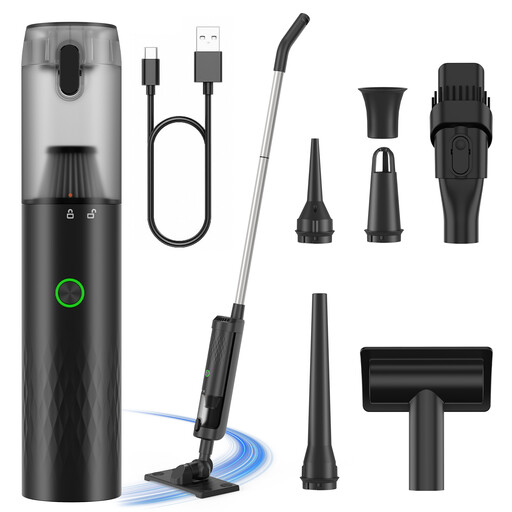 Image unavailable
Omeser 3093A Pro, handheld car vacuum cleaner
Worth considering if you’re replacing a handheld vacuum designed for use in the car or for small cleaning jobs around the home.
The product name mentions a removable dust cup. Before choosing it, check that its run time, capacity and suction specifications meet your needs.
View on Joybuy
Frequently asked questions
Should you replace an appliance as soon as it breaks down?
No. A breakdown alone doesn’t mean the whole appliance needs replacing. A repairer can assess the fault; you can then weigh up the possible repair against the appliance’s overall condition and how long your household can manage without it.
When might the Repair Bonus apply?
The Repair Bonus may apply to certain household appliances and repairs carried out by a QualiRépar-certified repairer. According to the conditions published by economie.gouv.fr and ecosystem, the appliance must be out of warranty and the fault must be eligible, among other requirements. Check whether your particular case qualifies before the repair.
What’s the difference between second-hand and refurbished?
According to the DGCCRF, a refurbished appliance is a second-hand item whose functions have been fully tested and which has been restored if necessary. Even so, check that the description relates to the item being sold, including its condition and accessories.
What should I compare when choosing a new appliance?
Start with the dimensions and capacity that suit how you’ll use it, then compare the energy label information for the categories covered. For washing machines and televisions, the durability index provides an additional guide to repairability and reliability; it doesn’t replace checking the model’s specifications.
What should I do with my old appliance if I don’t keep it?
If it’s still usable, you could donate or sell it, as long as you describe its condition and any faults honestly. Otherwise, ADEME offers guidance on finding a suitable repair or recycling option for your appliance. Don’t offer an appliance for reuse if it could pose a safety risk.


