Households dealing with a breakdown
You need to decide whether a repair is worthwhile before buying another appliance. A quote and the terms of any repair bonus can help you weigh up your options. Check the details with ecosystem.


Before replacing a broken appliance, compare the repair quote with the cost and suitability of a new appliance. The repair bonus depends on factors including the appliance, the fault and the repairer, as ecosystem explains. If you decide to buy, check the dimensions and useful features, then compare any relevant indices, information about spare parts and the energy label, where available. These indicators alone do not guarantee the lifespan of an individual appliance.
You need to decide whether a repair is worthwhile before buying another appliance. A quote and the terms of any repair bonus can help you weigh up your options. Check the details with ecosystem.
You want to look at the relevant index and the model’s repair options without mistaking a rating for a promise of how long it will last. ADEME and the ministry responsible for ecological transition specify which categories are covered by the indices.
You want to balance dimensions, capacity and running costs. For the categories covered, the energy label provides useful points of comparison, as ADEME explains.
Start with the repair quote and whether the appliance is right for you, then look at its repairability and running costs for the relevant category.
| What matters | What to check | Who it matters most to |
|---|---|---|
| Repair before replacing | Ask for a quote and separately check whether the appliance, fault and repairer are eligible for any applicable bonus. | If my appliance breaks down, I want to compare the actual repair quote with the cost of a replacement before deciding. Around 31% of consumers prioritise weighing up repair against replacement. |
| Everyday use and space | Measure the space and access points; compare the capacity and useful features of the specific model. | If I replace an appliance, I want it to suit my usual needs and the space available. Around 25% of consumers prioritise how well an appliance suits everyday use. |
| Repairability of a new appliance | Check which index applies to the category and look up spare-part information for the exact model. | If I choose a new appliance, I want to understand how easy it is to repair without mistaking an index for a guarantee of longevity. Around 25% of consumers put repairability first. |
| Running costs | Compare appliances in the same category using the same energy-label basis, and factor in your usage habits. | If an appliance is used often, I want to consider water and electricity costs after purchase. Around 19% of consumers put running costs first. |
The indices do not cover every category: the durability index applies, among others, to relevant washing machines and televisions, while the repairability index applies, among others, to relevant dishwashers and vacuum cleaners. A fridge may have an energy label without being covered by either index, so check the information for the type of appliance you’re considering.
They cover different categories and provide different information. Neither guarantees that a particular appliance will not break down.
First check which category applies, then look at the model’s index details and compare its everyday-use features separately.
Eligibility depends on factors including the appliance, the fault, whether it is covered by a warranty or insurance, and whether you use a QualiRépar repairer.
Before comparing repair with replacement, ask for confirmation of eligibility and the amount included on the invoice.
You’ll still need to account for the part of the quote that isn’t covered. If the repair isn’t eligible, you may have to pay the full amount.
The energy label for relevant new appliances does not apply in the same way to second-hand goods. The condition of the individual appliance and the seller’s identity also matter when assessing it.
Before deciding, check the features, condition, available energy-use information, seller and applicable guarantees.
Depending on the offer, running costs and any repair or delivery charges may also factor into your comparison.
One option to look into for a dishwasher if finding spare parts by exact model number is important to you.
One option for comparing spare-part availability information for household appliances.
One option for comparing stated availability periods across appliance categories.
One option for looking up washing machine parts using the product’s model details.
One option for checking parts for fridges, dishwashers and washing machines.
The models below include vacuum cleaners, dishwashers and a washing machine. Compare each model’s features with your installation and how you plan to use it.
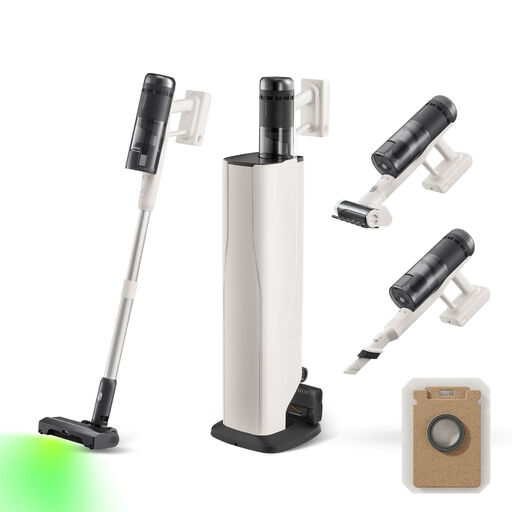 Image unavailable
Worth considering if you’re looking for a vacuum cleaner for carpets and hard floors with an automatic emptying station.
Stated run time: 80 minutes; stated suction power: 170 AW; anti-tangle brush.
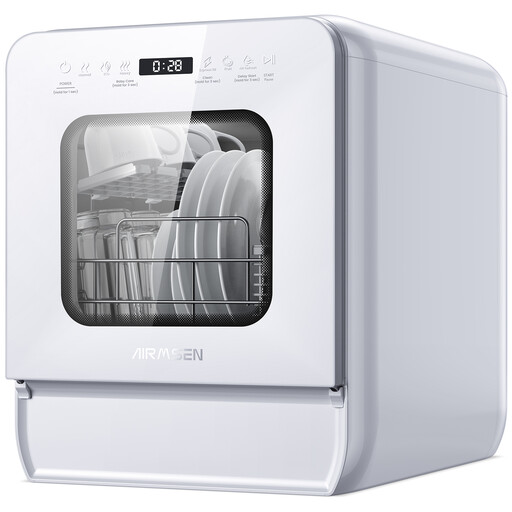 Image unavailable
Worth considering if you’re looking for a compact dishwasher that can be supplied from its tank or connected to a tap.
Holds up to 4 place settings, with 9 programmes, stated dimensions of 37 × 50 cm and energy rating D. An adapter may be needed to connect it directly to a tap.
 Image unavailable
Worth considering if you’re looking for a tabletop model stated to hold 6 place settings.
7 programmes, energy rating D, stated water use of 6.5 litres per cycle and stated noise level of 47 dB.
 Image unavailable
Worth considering if you’re looking for a 10 kg freestanding washing machine and its energy-use figures meet your criteria.
Energy rating A, 41 kWh per 100 cycles and 48 litres per cycle. Install on a stable, level surface, with the water inlet and drain connections fitted correctly.
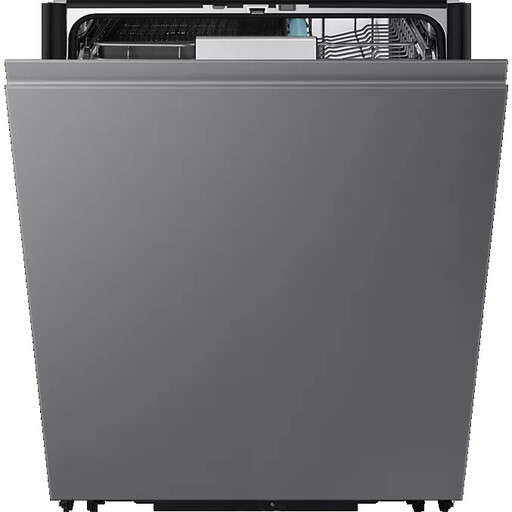 Image unavailable
Worth considering if you’re looking for a 60 cm integrated dishwasher stated to hold 14 place settings.
Energy rating A, 54 kWh per 100 cycles and 9.4 litres per cycle. The product information states that parts will be available for 10 years from the date of purchase; check the model number and the part you need.
In France, look for the durability index on a relevant television or washing machine, and the repairability index on a relevant dishwasher or vacuum cleaner. A fridge does not automatically receive one of these indices just because it has an energy label.
No. According to ecosystem, the appliance and fault must be eligible, the repair must be carried out by a QualiRépar professional, and the appliance must not be covered by a warranty or insurance. The scale in force since 1 January 2026 lists, among other amounts, €50 for a washing machine or dishwasher, €40 for a vacuum cleaner, €25 for a fridge and €60 for a television. Check the conditions for your situation before comparing costs.
The legal guarantee of conformity may apply to purchases from a professional seller, including second-hand and refurbished goods. Service-Public.fr states that you can invoke it for a fault that appears within two years of delivery. Check who is actually selling the appliance, as a sale between private individuals is covered by different rules.
Compare the kWh per 100 cycles and litres per cycle shown on the label, taking capacity, cycle duration and noise into account. These figures are based on standard cycles, so also check that the installation type and capacity suit your space and how you plan to use it.
When you buy an appliance to replace an old one, the retailer must arrange to take back the old appliance free of charge, including for distance sales, according to Service-Public.fr. Check the stated take-back arrangements before placing your order, and don’t put the appliance out with your household rubbish.