What should you check first?
For your first grocery shop, start with how you’ll use the brioche: for entertaining, quick everyday breakfasts or to meet specific requirements about its ingredients.
| What matters |
What to check |
Who is it for? |
| Sharing and the occasion |
Whether there’s enough for your guests; the IGP label if you’re specifically looking for a Vendée brioche. |
If you’re hosting a brunch, you may want a whole brioche to share without buying an unnecessarily large one. Around 42% of consumers prioritise sharing. |
| Everyday serving |
Whether it’s sliced and how to store it after opening. |
If you want toast ready quickly every morning, ease of serving matters more than how it looks on the table. This is a priority for around 33% of consumers. |
| Ingredients and allergens |
The ingredients list, allergens and nutritional values per 100 g; exactly what the claims on the packaging mean. |
If you need to avoid certain ingredients or a particular recipe feature matters to you, the label is key. Around 25% of consumers put these ingredients-related considerations at the heart of their purchase. |
A Vendée brioche with IGP status is a clearly identified regional speciality. The National Institute of Origin and Quality describes it as a plaited brioche made with ingredients including butter, eggs and sugar. If you avoid alcohol, check the ingredients too: the Institute notes that this speciality contains brandy. An all-butter plaited brioche may suit you if you’re looking for something to share, but that doesn’t make it a Vendée brioche with IGP status. And the words ‘all butter’ don’t mean you can skip checking the recipe.
A brioche to consider on Joybuy
For breakfast, compare this 280 g all-butter brioche with the amount you need. If you’re specifically looking for a plaited shape or a Vendée brioche with IGP status, check that it has these features before buying.
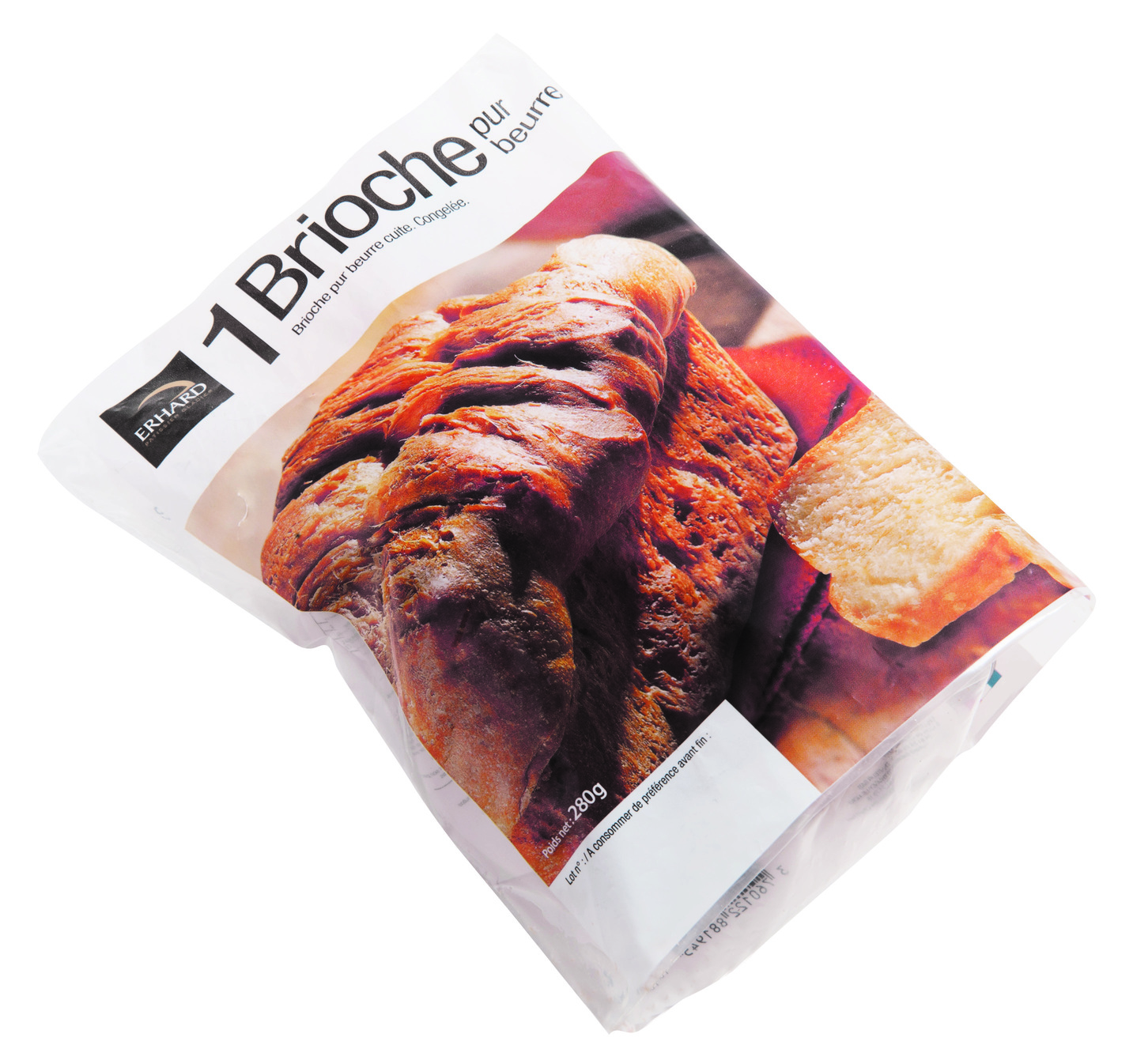 Image unavailable
ERHARD All-butter brioche 280 g
For breakfast as part of your first grocery shop, check whether the 280 g size is right for the number of people you’re serving. Check the label for ingredients, allergens and storage instructions; don’t assume this brioche is plaited or has IGP status.
View on Joybuy
Frequently asked questions
Is a brioche labelled ‘premium’ always suitable for brunch?
No. When choosing a brioche to share, first consider its size, presentation and ingredients. IGP identifies the ‘Vendée brioche’ speciality described by the National Institute of Origin and Quality, but it doesn’t guarantee that a particular product will suit the number of guests or their dietary requirements.
Which allergens should you check on packaged brioche?
Read the allergens highlighted on the specific pack you’re buying, along with any ‘may contain traces’ warnings. Products from Brioche Pasquier, Carrefour and Auchan show that ingredients may include wheat, eggs or milk, and sometimes almonds, depending on the recipe. Don’t assume the ingredients list is the same from one product to another.
Is ‘additive-free’ enough to help you choose a recipe?
No. Read the full ingredients list: Harrys explains that products advertised as additive-free may contain ingredients that serve a similar purpose. Compare allergens and nutritional values separately if these matter to you.
How should you store packaged brioche after opening?
Follow the instructions on the pack, including the date and any guidance for after opening. Product information published by Auchan recommends resealing the bag after use; check that this advice applies to the brioche you’ve chosen.
What information should the label on prepacked brioche sold in France include?
According to the Directorate-General for Competition Policy, Consumer Affairs and Fraud Control, the label on prepacked food includes details such as its name, ingredients with allergens highlighted, net quantity, nutritional information and a storage date. This information helps you compare products and check the recipe on the pack you buy.


