Families sharing a snack
For a snack at home, the recipe and a format made for sharing may matter more than individual portions. The braided brioche from Carrefour Traiteur is an example of this style.


For a more indulgent holiday snack, choose your brioche based on its recipe and format rather than relying on the word ‘premium’. A brioche made for sharing is ideal for a snack around the table, while a pre-sliced loaf makes serving easier. If sugar, fibre or allergens influence your choice, compare the labels of the specific products you’re considering.
For a snack at home, the recipe and a format made for sharing may matter more than individual portions. The braided brioche from Carrefour Traiteur is an example of this style.
Between days out and activities, ready-sliced pieces or easy-to-portion buns can make organising snack time simpler. If you’ll be serving the brioche over several days, check how the pack should be resealed, too.
If sugar, fibre or ingredients guide your choice, compare the nutritional information per 100 g and read the ingredients list. If someone has an allergy, check the information on the pack you’ve bought.
Start by deciding whether your snack will mainly be shared at the table, prepared quickly or chosen according to its ingredients. You can then compare the format and label to find a brioche that suits your needs.
| Criteria | What to check | Who is it for? |
|---|---|---|
| Recipe and sharing | Compare the ingredients and their percentages where listed, then choose a weight that suits the number of people you’ll be serving. | For a holiday snack shared with others, I want to choose brioche for its recipe rather than a claim on the pack. Around 40% of consumers prioritise finding an indulgent recipe. |
| Serving and storage | Check whether the brioche is pre-sliced or divided into individual pieces, as well as the date and storage instructions on the pack. | When I’m planning several snacks around activities, being able to serve portions without slicing is my top priority. Ease of serving comes first for around 30% of consumers. |
| Ingredients and dietary needs | Check the sugar and fibre content per 100 g, the ingredients list and any allergens stated on the packaging. | If I’m comparing lower-sugar or wholemeal recipes, or someone needs to avoid an allergen, ingredients matter more than presentation. This is the main priority for around 30% of consumers. |
These claims alone don’t tell you about the brioche’s ingredients, nutritional values or format.
Compare the ingredients list, the quantities stated and the nutritional information per 100 g for the products you’re considering.
A brand’s comparison applies to a specific product, not to all brioche or every snack.
Check the stated basis for comparison, then compare the grams of sugar and fibre per 100 g on each pack.
The products mentioned contain wheat, eggs or milk, depending on the recipe. Some also warn that other allergens may be present in traces.
Before serving someone with an allergy, check the information on the actual product you’ve bought rather than relying on a product photo.
A pack intended for several snacks needs to be resealed and stored according to the instructions for that product.
Choose an amount that suits the snacks you have planned, check the date on the pack and follow the storage instructions after opening.
Worth considering if you’re looking for pre-sliced brioche to serve quickly at several snack times.
Its sliced products let you compare classic, wholemeal and lower-sugar recipes, depending on what matters to you.
The braided brioche from Carrefour Traiteur is an example of a format for sharing.
A product listing for a large brioche can help you plan how to serve and store it across several snacks.
Worth considering if you’re comparing shareable, butter-rich Vendée brioches.
These two products suit different holiday cravings: a butter brioche for a classic snack, and little filled bites for a savoury snack that needs some preparation.
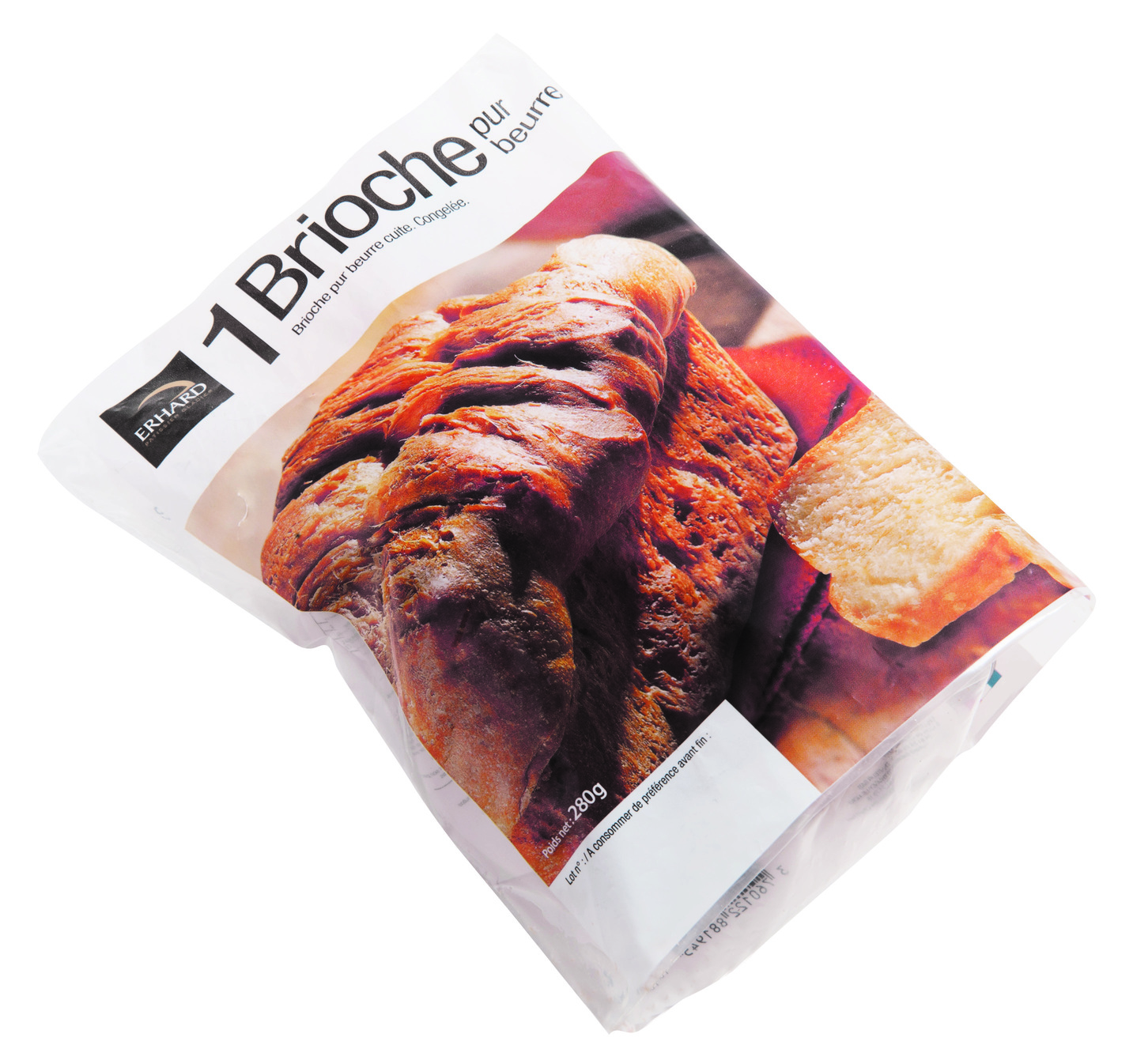 Image unavailable
Consider this if you’re looking for a butter brioche for a classic snack rather than filled bites. It weighs 280 g; check the packaging for the number of portions and whether the brioche is sliced before planning how to serve it. If anyone has an allergy, also check the allergen information on the pack.
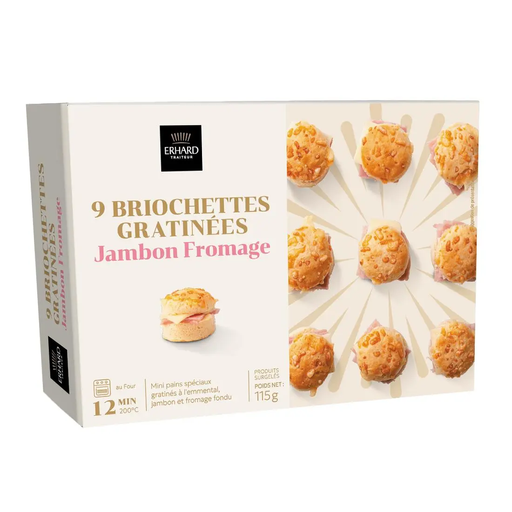 Image unavailable
Choose these if you want to serve a savoury snack in small portions, rather than as a substitute for a sweet brioche to share. The pack contains nine bites and weighs 115 g. Store them in the freezer at −18 °C or below and cook them in the oven according to the product instructions. Once defrosted, keep them in the fridge and eat within 24 hours. Check the allergen information, particularly for wheat, milk and eggs.
Compare its ingredients list, the percentages shown, its weight and its nutritional information. As a specific example, Carrefour Traiteur lists 12% pastry butter and 11% fresh eggs in its 500 g braided brioche. These details tell you more about the recipe than a general claim.
No. Read the claim alongside its basis for comparison and the values per 100 g for the product in question. Also check the recipe, format and allergens: a difference in sugar content alone doesn’t tell you whether it meets all these criteria.
Check the allergen information on the exact pack you’re going to serve. Depending on the recipe, the products mentioned list wheat, eggs or milk, and some warn that traces of soya, nuts or sesame may be present. The French Ministry of the Economy reminds shoppers that allergens must be listed and highlighted on food labels.
Check the date on the brioche you’ve bought and follow its storage instructions, particularly after opening. For the Maline Thomas brioche featured by Auchan, the product listing says to store it in a cool, dry place and reseal the bag with its clip.
Work out how many portions you’ll need before choosing the pack size, then check its date and storage instructions. A family-size format is most useful when you can serve it across your planned snacks while following the instructions for after opening.