Cyclists buying brioche for several breakfasts
You’re looking for sliced brioche to enjoy regularly, without buying a pack that’s too large for your needs.


For regular breakfasts or snacks, first choose a pack size you can finish without waste, then compare the recipes on the label. Brioche can be part of your diet around a bike ride, but it isn’t enough on its own to prepare you for exercise: the French Cycling Tourism Federation points out that breakfast is just one extra source of energy before a demanding ride.
You’re looking for sliced brioche to enjoy regularly, without buying a pack that’s too large for your needs.
You’d like to include brioche in your breakfast or as a snack, while considering when you eat and what you usually tolerate well.
You compare the sugars, fibre or ingredients in different brioches and need to check the allergens listed on the pack you choose.
Start with a pack size that suits how much you eat, then consider when you plan to have the brioche and check the recipe information.
| What to consider | What to check | Who is it for? |
|---|---|---|
| Pack size | Net weight, number of slices and how much you’ll eat before it loses its freshness. | If I’m buying it for several mornings, I want to finish the pack without waste. Around 36% of consumers prioritise finding a pack size that suits their needs. |
| When you’ll eat it | Portion size and the time between eating and setting off, tested on a typical ride. | Before I ride, I prefer to know what portion and timing work for me. Around 29% of consumers prioritise finding something they can tolerate before setting off. |
| Sugars and fibre | Nutrition information per 100 g, followed by the amount you’ll actually eat. | For my usual snacks, I want to tell a classic recipe apart from a less sweet or wholemeal version. Around 21% of consumers prioritise this type of recipe. |
| Ingredients and allergens | The ingredients list and any allergens highlighted on the pack you buy. | If there are ingredients I can’t eat, I need to be able to spot them before buying. Ingredient suitability is the top priority for around 14% of consumers. |
A family-size pack is only practical if you can eat the slices before they lose their freshness.
Compare the weight and number of slices with how quickly you’ll eat them, then follow the storage instructions on the pack.
Portion size, meal timing and digestive tolerance vary from person to person.
Try the brioche on a regular ride rather than changing your routine at the last minute.
Claims such as ‘less sweet’ or ‘wholemeal’ describe one feature of the brioche, not everything you plan to eat around your ride.
Read the nutrition information and consider your portion as part of your breakfast or snack.
Depending on the recipe, brioche may contain ingredients such as wheat and eggs. Ingredients vary between products.
Check the allergens highlighted on the pack, as well as any warnings about possible traces, before choosing a product.
The brand offers sliced plain brioches, including one product labelled ‘30% less sugar’.
Harry's offers sliced wholemeal brioche and a less sweet version.
This range includes classic sliced brioche in a 700 g pack, as well as a reduced-sugar recipe.
E.Leclerc lists a 700 g pack of Epi d'Or sliced brioche containing 27 slices.
Auchan lists a 500 g pack of Pouce sliced brioche containing 18 slices.
This 280 g pack of brioche is one option to consider for breakfast or a snack around your bike rides. Check that the pack size and recipe suit how much you eat.
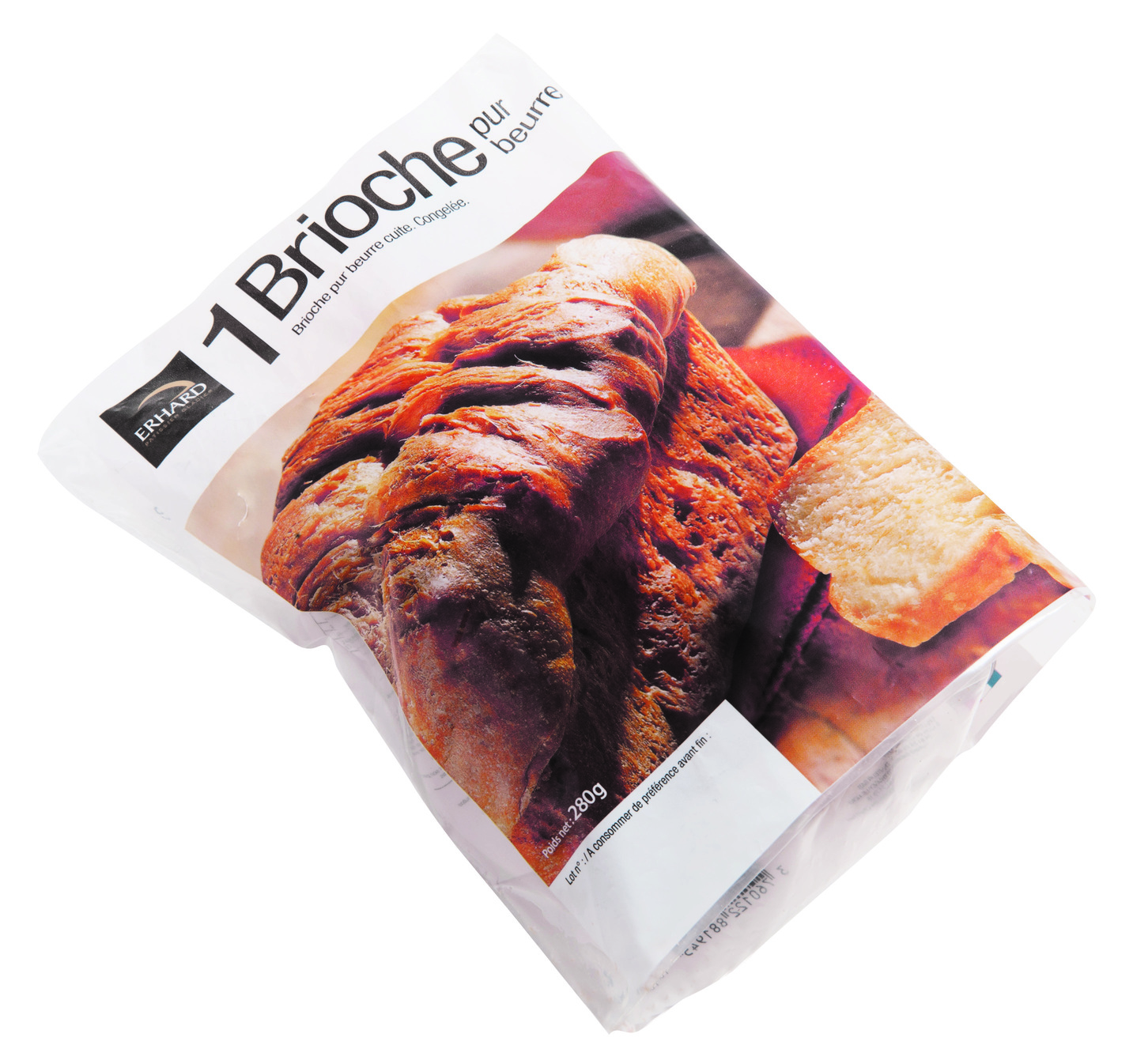 Image unavailable
For breakfast or a snack, if this brioche suits your usual diet. The pack contains 280 g; adjust the amount and timing to suit what you’ve already tried before a ride.
No, brioche alone isn’t enough to prepare you for a long ride. The French Cycling Tourism Federation describes breakfast before a demanding ride as an additional source of energy; you should also consider your other meals and hydration.
Choose according to how many slices you’ll eat before they lose their freshness. Compare the net weight, number of slices and storage instructions on each pack.
Try it on a regular ride, with a portion size and timing you can adjust to suit your tolerance. Avoid trying a new recipe just before an important ride.
Check the ingredients list on the packaging: according to the DGCCRF, allergenic ingredients must be listed and highlighted. Also check the pack you buy for any warnings about possible traces.