Who is this choice for?

Parents looking to offer wholemeal flour

You’re looking for a wholemeal flour recipe in a familiar brioche format for a child who is reluctant to eat wholemeal bread. Harrys Brioche Tranchée Complète and Brioche Pasquier P’tits Pains à la Farine Complète are two distinct products to compare.

Hosts planning a separate option

If a child won’t eat the mussels and chips, you can prepare a separate portion. Sliced brioche is easy to share out, while Brioche Pasquier presents its wholemeal rolls as suitable for toast or bite-sized snacks.

Shoppers comparing recipes

You want to check the flour used, the sugars and the allergens in your chosen product, rather than relying on its name alone. Check this information on the packaging before serving.

What should you look for?

First decide whether wholemeal flour is your priority, or whether you’re mainly looking for an easy-to-serve separate portion. Then compare the recipes of the products that meet your needs.

What matters to you What to check Who is it for?
Offering wholemeal flour Whether wholemeal flour is listed among the ingredients, and the fibre content of the specific product. I’d like to try a wholemeal option without giving up the brioche format the child knows. Around 44 % of consumers would prioritise this transition.
Serving a separate option Whether it comes sliced or as small rolls, and how many portions you need. If the child leaves the mussels and chips, I’d like to be able to offer them something else easily. This practical need would come first for around 33 % of consumers.
Checking the ingredients Allergens and the ingredients list; to compare sugars, check the nutritional information per 100 g. Before serving brioche to a guest with an allergy, I want to check the exact pack. Ingredients would be the main concern for around 23 % of consumers.

Common mix-ups to avoid

  • Assuming wholemeal brioche is the same as wholemeal bread

    Adding wholemeal flour doesn’t turn brioche into regular wholemeal bread: they’re made to different recipes.

    If you want the brioche format, compare the ingredients in wholemeal brioches. If your main priority is wholemeal bread, look at the breads and rolls in that category too.

  • Taking “no additives” at face value

    Harrys says some of its recipes contain no additives, while also noting that ingredients with a similar function may be present.

    Read the ingredients list for the product you’re considering rather than treating this claim as a complete description of the recipe.

  • Assuming all brioches contain the same allergens

    The sliced brioche listings published by Auchan and E.Leclerc mention wheat and eggs, as well as butter in the products described. You’ll need to check the ingredients for each product.

    If someone has an allergy, check the label on the pack you’re going to serve, even if you’ve already bought brioche from the same brand.

  • Choosing a format without thinking about how you’ll use it

    A pack intended for a few separate portions won’t be used in the same way as a brioche for several guests.

    Check the quantity, the date shown and the storage instructions on the pack you receive or buy.

Brands to know when comparing recipes

Harrys

The brand offers Brioche Tranchée Complète, as well as classic sliced brioches. Carrefour and Auchan list the wholemeal version in a 485 g pack.

  • Harrys describes its Brioche Tranchée Complète as a recipe made with wholemeal flour, a source of fibre and free from additives.
  • These claims apply to this specific product. Compare its ingredients list and nutritional information with those of any other brioche you’re considering.

Brioche Pasquier

Brioche Pasquier presents its P’tits Pains à la Farine Complète as suitable for making toast or bite-sized snacks, among other things.

  • The brand says they’re made with wholemeal flour and describes them as a source of fibre.
  • These are small rolls, not sliced brioche. Choose them for their own format rather than as an equivalent to brioche.

Epi d’Or

E.Leclerc lists a 500 g Epi d’Or sliced brioche, with 18 slices, for anyone looking at a classic recipe.

  • The E.Leclerc listing gives details of the ingredients in this product, including wheat flour, sugar, eggs and concentrated butter.
  • Don’t confuse it with a brioche described as made with wholemeal flour. Check the packaging if this is important to your purchase.

A brioche to consider on Joybuy

This brioche could be served as a separate option during the evening. If you’re specifically looking for wholemeal flour, check the ingredients list before choosing it.
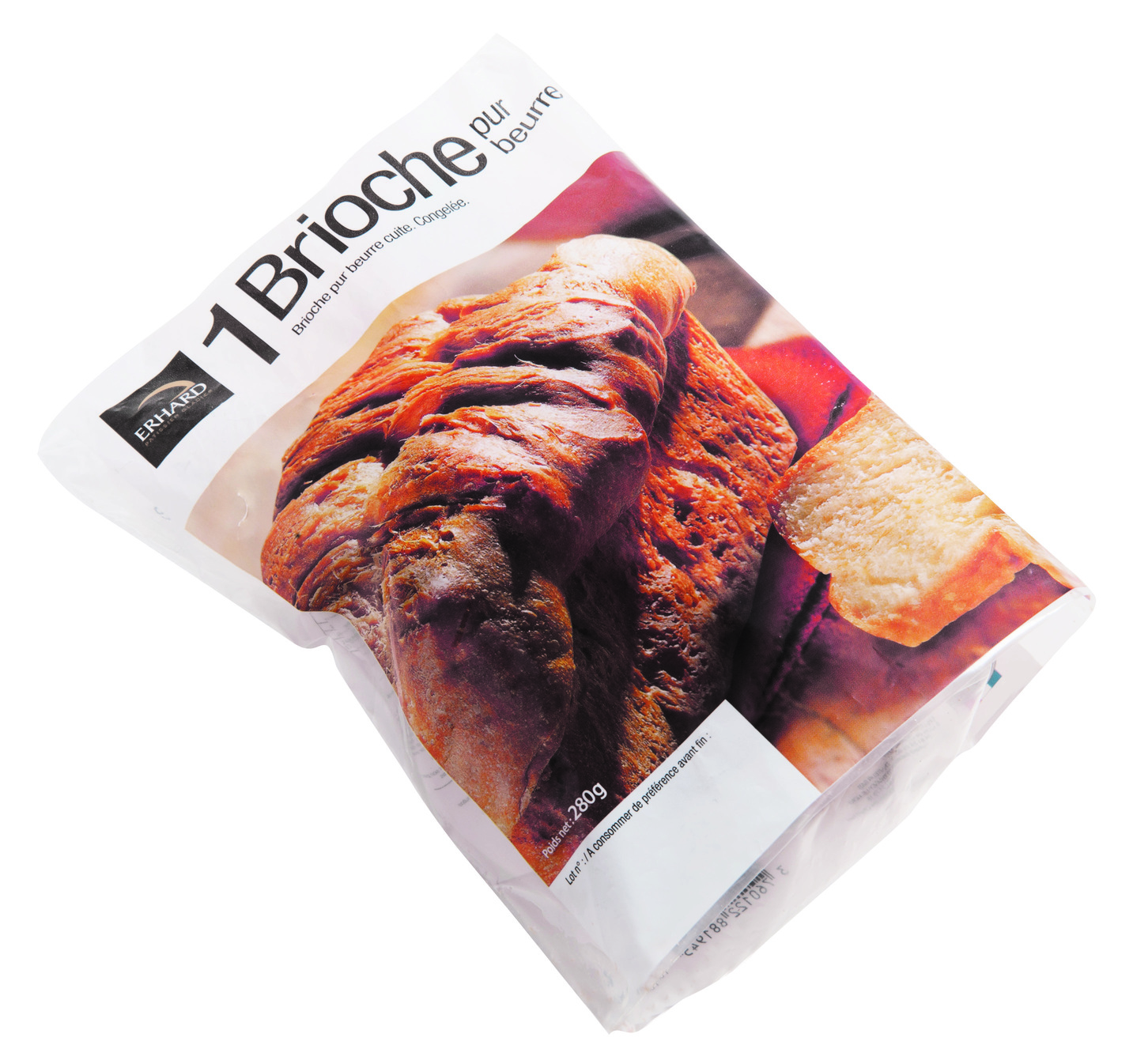
ERHARD pure butter brioche 280 g

ERHARD pure butter brioche 280 g

Worth considering if you’d like to serve brioche separately from the mussels and chips.

The product comes in a 280 g pack. If wholemeal flour or a pre-sliced product is essential to your choice, check the product information and packaging. Make sure you also check the allergens before serving.

View on Joybuy

Frequently asked questions

Can wholemeal brioche replace the bread served with mussels?

Not necessarily. You could serve it separately, for example to a child who isn’t eating the main dish. Brioche made with wholemeal flour is still brioche, and shouldn’t be confused with regular wholemeal bread.

Should you choose wholemeal or classic brioche for a child who’s reluctant to eat wholemeal food?

Choose according to what you’d like to offer: a brioche described as made with wholemeal flour if that ingredient matters to you, or a classic recipe if you’d rather stick to a familiar format. You could also offer both separately, without assuming which one the child will accept.

Which allergens should you check in brioche?

Read the label on the specific pack before serving it. The sliced brioche listings published by Auchan and E.Leclerc mention wheat and eggs, as well as butter in the products described. Their ingredients don’t apply to every brioche.

Is the information shown online enough to plan your meal?

Use it to compare products, then check the packaging of the product you’ll be serving when it arrives. This lets you confirm its ingredients, date and storage instructions.

How should you interpret the date on the pack?

First check whether the packaging shows a use-by date (DLC) or a best-before date (DDM): these terms don’t mean the same thing, as France’s Directorate-General for Competition Policy, Consumer Affairs and Fraud Control points out. Also follow the storage instructions on your pack.