For a more special lunch break
If you want your brioche to make a meal or shared occasion feel special, compare a clearly identifiable regional speciality with recipes that list butter and eggs among their ingredients.


For a working-from-home lunch that’s a little different, choose a Vendée brioche with IGP status if its regional origin matters to you, a pure-butter recipe if the ingredients are your priority, or a pre-sliced loaf if you need to put your meal together quickly. A quality mark or a particular recipe doesn’t mean you can skip checking the ingredients, allergens, nutritional information and how much you plan to eat.
If you want your brioche to make a meal or shared occasion feel special, compare a clearly identifiable regional speciality with recipes that list butter and eggs among their ingredients.
When you’re between meetings, pre-sliced brioche lets you make a slice of toast without having to cut the loaf first. But convenience alone doesn’t tell you anything about the product’s ingredients or the rest of your meal.
If ingredients or allergens influence your choice, compare specific products. The nutritional information shows the sugars, saturated fatty acids, salt and fibre, including per 100 g.
Start with what will genuinely make a difference to your lunch: the recipe you’re looking for, how much preparation time you have, how easy the label is to understand, or how much you can eat after opening the pack.
| What to consider | What to check | Who is it for? |
|---|---|---|
| Recipe and regional character | Look for IGP or Label Rouge status on the product you’re considering, and read the ingredients list too. | For an occasional treat, I look for a distinctive recipe or origin. Around 36% of consumers would make indulgence their priority. |
| Quick preparation | Check whether the brioche is pre-sliced and how to reseal its packaging. | When meetings run back to back, I want to be able to make a slice of toast without having to cut the brioche first. Convenience would come first for around 29% of consumers. |
| Ingredients and allergens | Check the allergens and nutritional information per 100 g, particularly sugars, saturated fatty acids and salt. | Before choosing my portion, I need to know what’s in the specific product. Around 21% of consumers would make checking the label their main consideration. |
| Pack size and storage | Compare the pack size with how much you expect to eat, and follow the storage instructions after opening. | If I’m having lunch alone and rarely eat brioche, I prefer an amount I can finish. Avoiding buying too much would be the main consideration for around 14% of consumers. |
IGP indicates an origin and a set of production requirements: the French National Institute of Origin and Quality describes Vendée IGP brioche as a speciality traditionally made in Vendée. The French Ministry of the Economy distinguishes Label Rouge, which indicates a higher level of quality than similar products, from an origin label. Neither of these marks is a substitute for checking the nutritional information. For Nutri-Score, Manger Bouger recommends comparing products from the same aisle or category.
These indicate different aspects of the product. IGP relates in particular to origin and production requirements; ‘pure butter’ draws attention to the recipe, but doesn’t sum up all the nutritional information.
Choose the feature that matters to you, then check the portion you’re planning to eat and the nutritional information for that specific brioche.
On its own, this claim doesn’t tell you about sugars or allergens. Harrys provides information specific to its recipes; this shouldn’t be assumed to apply to all pre-sliced brioches.
Read the ingredients list and compare the per-100 g values of similar products before making your choice.
The recipes reviewed include ingredients such as wheat, eggs and milk. Ingredients and allergen traces can vary from one product or format to another.
If an ingredient is a concern for you, check the packaging of the exact product when you buy it.
A brioche intended for several portions may not be the best choice if you’re eating alone occasionally and the pack will be open for a long time.
Choose a pack size that suits your routine, and follow the instructions on the packaging for sealing and storage.
An opened pack you don’t finish can lead to food waste.
These ranges give you options for comparing specific recipes and formats, but a brand or retailer name alone doesn’t tell you what every brioche it sells is like.
A brand to explore for brioche and viennoiseries, according to the ranges presented by Brioche Pasquier.
Pre-sliced brioches to consider if you want to make a slice of toast quickly.
A Carrefour Traiteur pre-sliced, braided, pure-butter brioche to compare for a shared lunch.
Two Vendée brioche products to distinguish by the mark shown on each one.
A retailer where you can compare different recipes, including a braided pure-butter brioche and a laminated brioche.
For a working-from-home lunch, these products include a pure-butter brioche to fill, a small chocolate brioche ready to eat, and savoury bites to bake in the oven. They come in different formats for different occasions, so start by choosing the one that suits the time you have and the meal you’re planning.
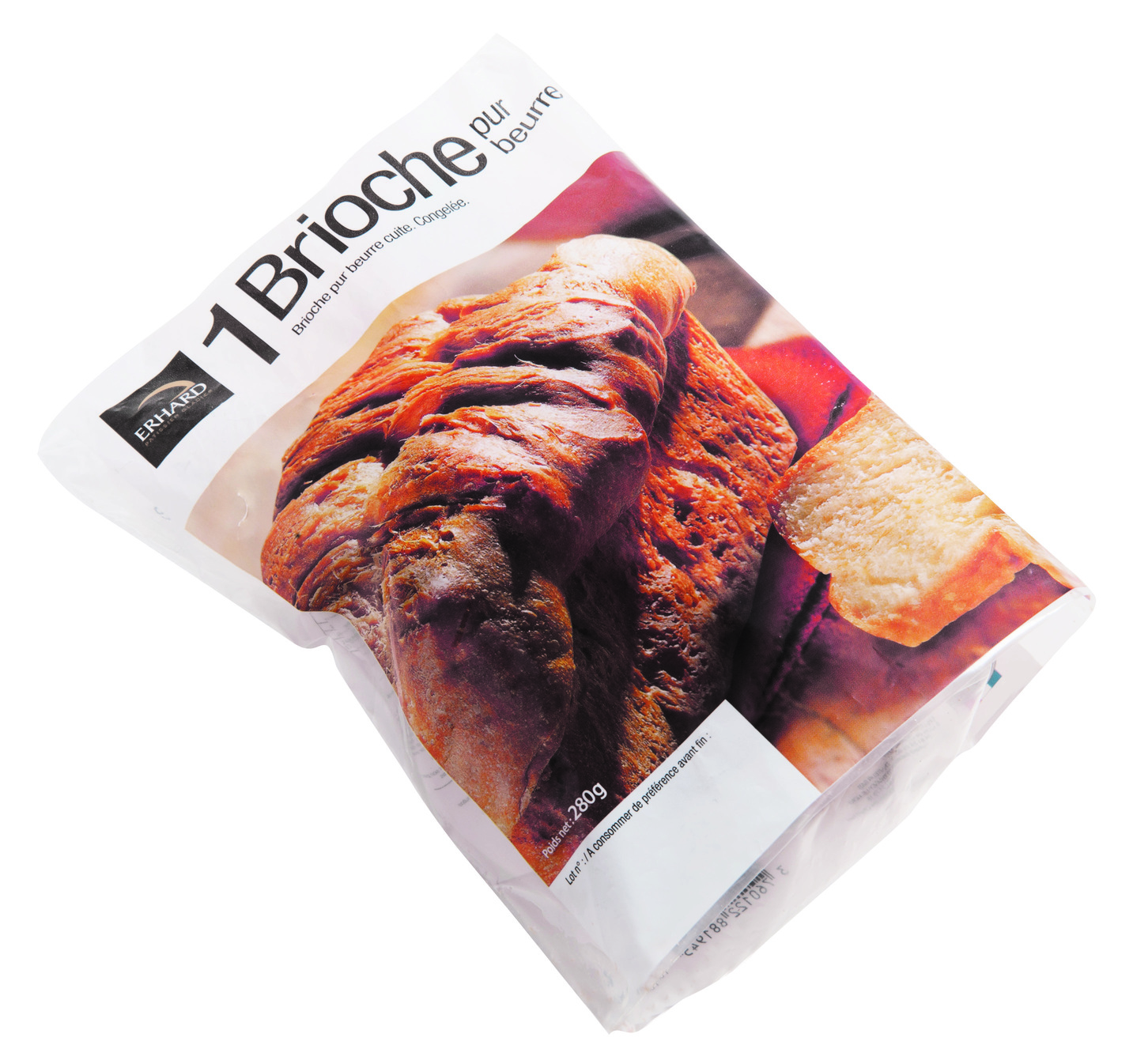 Image unavailable
Worth considering if you’d like to fill a brioche for lunch. This product is described as a 280 g pure-butter brioche; if you need ready-to-use slices, check the format on the product listing and packaging.
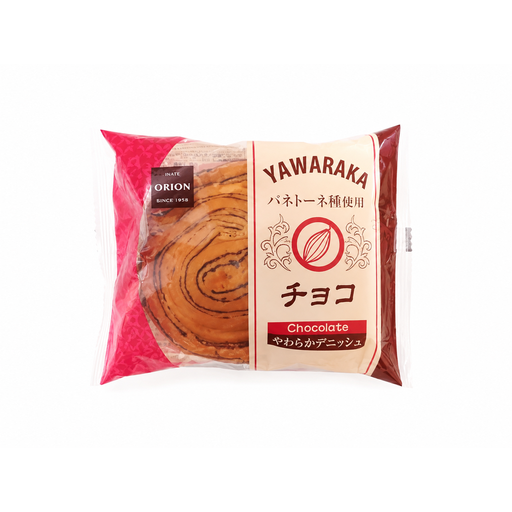 Image unavailable
The 90 g size and chocolate filling make this a quick sweet treat. If you’re putting together a lunch, think about what you’d like to have alongside it and check the product’s ingredients.
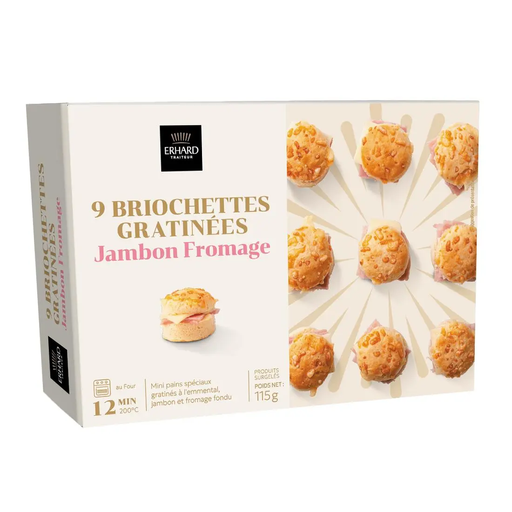 Image unavailable
These nine ham and Emmental bites make a savoury option to enjoy as part of a meal. They need to be baked in the oven before eating, so allow for the cooking time if you have a short break.
IGP status alone doesn’t allow you to draw that conclusion: it identifies, among other things, an origin and a set of production requirements. To compare brioches, check the nutritional information for each product and compare equivalent portions. Manger Bouger recommends using Nutri-Score to compare products from the same aisle or category.
First choose a format that fits your lunch break: slices to fill, a brioche to cut, or bites that need cooking. Then decide what you’ll have with it, rather than planning your whole lunch around the product name alone.
Check the specific product you’re buying. The ingredients listed by Harrys for its plain pre-sliced brioche include wheat, eggs and butter; other recipes may differ. Also check for any ‘may contain’ warnings if these are relevant to you.
Follow the instructions on the packaging. For the brioche in question, an Auchan product listing recommends storing it in a cool, dry place and closing the bag with its clip after use; check the instructions for the product you buy.
To choose between comparable products, use Nutri-Score within the same aisle or category, as Manger Bouger advises. Also consider the portion you plan to eat and the nutritional information for the brioche you choose.