What should you look for?
| What to consider |
What to check |
Who is it for? |
| Allergens and school rules |
Check the allergens for the specific product you’re buying. Confirm the school’s rules and, if applicable, the child’s PAI. |
Before buying brioche to share at school, I need to know whether every child involved can have some. Around 36% of consumers make this their top priority. |
| Ingredients |
Compare the ingredients lists and the stated proportions of butter or eggs, where provided. |
For a bake prepared for a special occasion, I want to choose based on the ingredients rather than the word “premium” alone. Around 29% of consumers say this is their top priority. |
| Size and slicing |
Choose between ready-sliced brioche, a large loaf to cut yourself or smaller pieces. Check the packaging too. |
When several children are making or sharing a dessert, I’m mainly looking for a size that’s easy to handle and divide up. Around 21% of consumers prioritise this. |
| Nutritional information |
Compare the nutritional values per 100 g, then work out how much you’ll use in your recipe. |
If the packs show different serving sizes, I prefer to compare the sugars, fat and other values on the same basis. Around 14% of consumers put this first. |
The French Directorate-General for Competition, Consumer Affairs and Fraud Control says that allergenic ingredients must be highlighted on the label, and that nutrition information per 100 g makes it easier to compare pre-packed foods. This information can help you read the packaging, but it doesn’t determine by itself what can be shared at a particular school.
A pure-butter brioche for your recipe
This Joybuy brioche may be worth considering if you’re looking for a product described as pure butter. When baking with children, also check that its size suits the portions you have in mind and the number of people taking part.
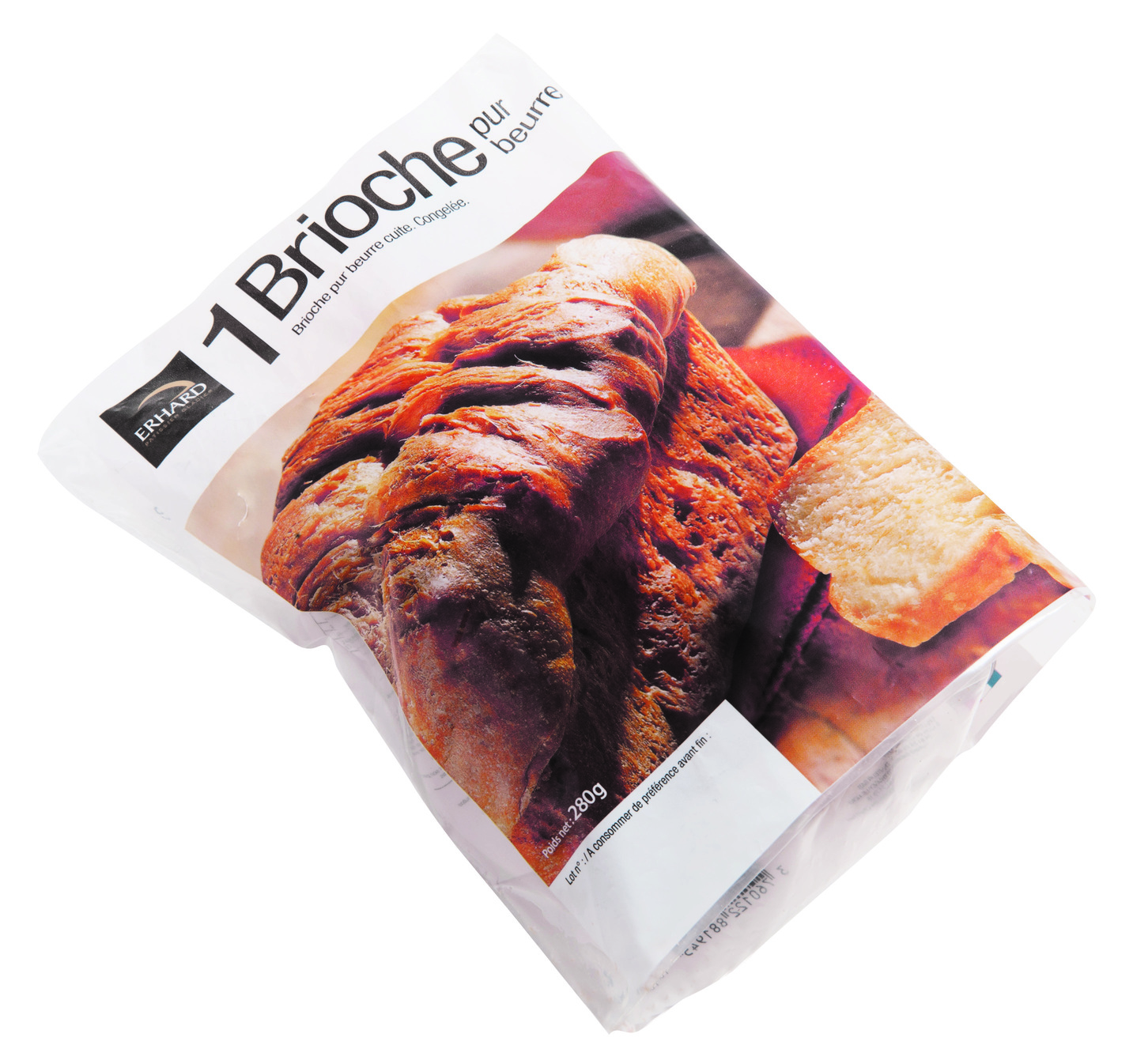 Image unavailable
ERHARD pure-butter brioche 280 g
If the ingredients matter to your recipe, this 280 g brioche is described as pure butter. Before planning the portions, check whether its shape is suitable for the way you want to cut it: the product name doesn’t say that it’s pre-sliced. The description lists wheat containing gluten, egg and milk, and possible traces of soya, nuts and sesame. Check the label on the pack and, for a school activity, the rules that apply.
View on Joybuy
Frequently asked questions
Can you take brioche containing gluten into school?
Ask the school about the rules for the planned activity rather than assuming the same rules apply everywhere. If a pupil has a food allergy or follows a particular diet, also check any adjustments set out in their PAI, if they have one, as well as the label on the brioche you’re buying.
What should you check first on pre-packed brioche?
Start with the ingredients list and any highlighted allergens, especially if you’re planning to share the brioche. The French Directorate-General for Competition, Consumer Affairs and Fraud Control reminds shoppers of this labelling requirement. Then check the quantity, the date shown and the nutritional information to suit your recipe.
How do you compare two different-sized brioches?
Compare the ingredients and nutritional values per 100 g, then consider how much you’ll actually use. This gives you a common basis for comparing sugars, fat and other values without confusing a difference in recipe with a difference in serving size.
How should you store brioche once the pack is open?
Follow the instructions on the pack you’ve chosen, and plan when to open it around the time of your baking session. Instructions vary by product. For example, Auchan says to close the bag of Maline Thomas sliced brioche with its clip after use.


