Hosts planning a dessert to share
If you’re serving brioche after the meal, choose a size you can slice or serve in portions. The ingredients, weight and allergens matter more here than whether it goes with pasta or antipasti.


For an Italian-themed evening, choose your brioche according to when you plan to serve it. A plain brioche to slice is suitable for dessert, while filled brioche bites are better for an aperitif. The plain brioche recipes reviewed are sweet, so don’t automatically buy one as a substitute for bread to serve alongside your meal. Then compare the ingredients, size and allergen information on the product you plan to serve.
If you’re serving brioche after the meal, choose a size you can slice or serve in portions. The ingredients, weight and allergens matter more here than whether it goes with pasta or antipasti.
Slices or individual portions mean less cutting when it’s time to eat. However, check whether you’re looking for a plain brioche for dessert or filled bites for an aperitif: they serve different purposes.
Compare the sugar content per 100 g and check the ingredients and any traces listed on the packaging of the product you buy. A recipe described as lower in sugar or additive-free still needs to be checked.
First decide whether you’ll serve the brioche for dessert or as an aperitif bite. This will help you choose a recipe and size that suit the occasion.
| What to consider | What to check | Who is this for? |
|---|---|---|
| Recipe ingredients | Compare the stated proportions of butter and eggs, and look for sourdough starter and flavourings. Carrefour lists 16% eggs and 12% butter for its Nanterre Reflets de France brioche. | For a dessert to slice, I want to know what recipe I’m bringing to the table, rather than trying to guess its taste from ingredient percentages alone. Around 33% of consumers would put these ingredients at the top of their list of priorities. |
| Size and serving | Check the weight and presentation: Carrefour Traiteur’s braided brioche is sliced and weighs 500 g; La Boulangère offers an 800 g braided brioche, according to the Auchan product page. | When several guests are serving themselves, I look for a size that provides enough portions and doesn’t take too long to slice. Ease of serving would be a priority for around 27% of consumers. |
| Allergens and traces | Read the label on the product you buy, including any trace warnings. The recipes reviewed list wheat, eggs and milk among their allergens; information varies by product. | If a guest has a dietary requirement, I need to check the exact recipe before deciding whether I can serve it. Around 27% of consumers would make this a priority. |
| Sugars | Compare the ‘sugars’ figure per 100 g and the ingredients list. Harrys lists 9.3 g of sugars per 100 g for its Lower Sugar sliced brioche. | If there’s already another dessert planned, I prefer to check the sugar content before choosing a brioche. Around 13% of consumers would make this a priority. |
The plain brioches reviewed contain sugar. Decide when you want to serve yours before you shop, particularly if pasta or antipasti are on the menu.
Save brioche for dessert or for a sweet-and-savoury bite if that’s what you have in mind. Choose a separate bread to serve with the other dishes.
These claims describe different aspects of a recipe. Harrys Lower Sugar sliced brioche is described as additive-free, but its ingredients include rapeseed oil; the all-butter brioches reviewed have different ingredients.
Read the ingredients list and nutritional information per 100 g for the specific product before comparing recipes.
The products reviewed list wheat, eggs and milk among their allergens. Some also warn that they may contain traces of other allergens; the ingredients of one product don’t apply to all brioches.
Ask your guests about any dietary requirements, then check the ingredients and trace warnings on the packaging of the product you buy.
An 800 g brioche may suit a larger gathering, but could leave you with leftovers if you’re already planning several desserts.
Work out how many portions you need and check the storage instructions on the packaging. For easier serving, consider a sliced brioche or individual portions.
The details below apply to the products mentioned, not to every product from each brand. Choose according to how you plan to serve the brioche, and always check the packaging of the product you buy.
The 400 g all-butter Nanterre brioche is a size to slice and serve for dessert. Carrefour’s product page lists 16% fresh eggs, 12% concentrated butter and sourdough starter.
Its 500 g sliced, braided all-butter brioche is presented as serving six. The product page lists 12% pastry butter, 11% fresh eggs and sourdough starter.
The individual brioches are convenient for serving guests one at a time. The all-butter brioche toast slices are another option: crisp and better suited to a bite than a soft dessert.
Lower Sugar Sliced Brioche is a sliced option if sugar content is a factor in your choice. Harrys lists 9.3 g of sugars per 100 g.
The 800 g all-butter La Tressée brioche is a large size to share. Its Auchan product page lists 12.5% fresh eggs, 8.5% butter, fresh cream and sourdough starter.
For small aperitif bites, this selection features brioche filled with ham and Emmental. It’s neither a plain brioche to share for dessert nor an Italian speciality.
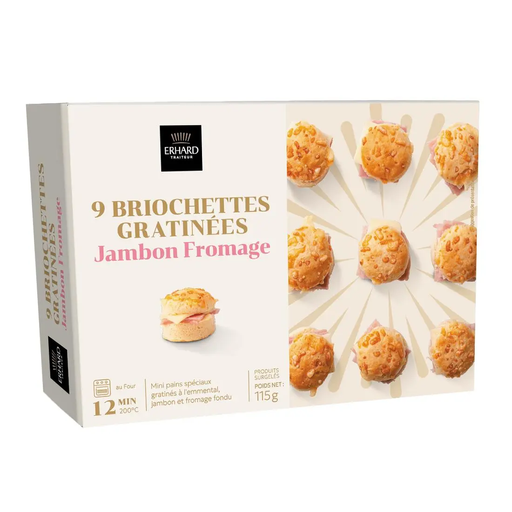 Image unavailable
Nine small bites make this a handy option for an aperitif, if ham and Emmental are suitable for your guests. The pack weighs 115 g. Before serving, check the storage, preparation and allergen information on the packaging.
Not automatically: the plain brioches reviewed contain sugar and aren’t suited to the same purpose as neutral bread served with antipasti or pasta. Save brioche for dessert or for a sweet-and-savoury combination you’ve chosen deliberately.
No. On its own, this claim doesn’t tell you the proportions of butter and eggs, the size or whether flavourings are included. Compare the ingredients lists for products suited to the way you plan to serve them, and don’t try to infer their taste from these details alone.
Check the ingredients list and any trace warnings on the packaging of the brioche you buy. The products reviewed list wheat, eggs and milk among their allergens; some also warn that they may contain traces of soya, nuts or sesame.
Follow the instructions for the specific pack you choose. For its La Tressée brioche, the Auchan product page recommends keeping it in its closed packaging, in a dry place at room temperature. Carrefour Traiteur suggests warming its sliced brioche in the oven or toaster for a few minutes. Don’t apply these instructions to a different product.