For a toddler’s teatime snack, first choose a texture and portion size that suit their abilities, then check the allergens and sugar content on the packaging. A butter brioche or regional recipe may be just the thing for a special treat, but that doesn’t necessarily make it more suitable for your child. And even if it’s labelled ‘reduced sugar’, check the ingredients and keep brioche for an occasional treat.
Who is this advice for?
Parents of toddlers who are learning to manage lumps and pieces
Before choosing a brioche, check that your child can manage its texture and adjust the size of the portion you offer. Ameli describes how children can progress to small pieces according to their abilities; age alone isn’t enough to decide.
Families keeping an eye on sugar
If you’re comparing several sliced brioches, the ‘of which sugars’ figure per 100 g gives you a common basis for comparison. A recipe described as reduced in sugar still contains sugar, and the portion you serve matters too.
Parents planning a special teatime treat
A butter-based recipe or regional brioche may suit the occasion you have in mind. These features tell you about the recipe, but they don’t replace checking the nutritional information and allergens.
What should you check first?
Start with what your child can eat and any allergens that affect them. Then compare the ingredients and format to suit the snack you have planned.
| What to consider |
What to check |
Who this matters to |
| Texture and stage of feeding |
Whether your child can manage pieces; the size of the portion served and supervision during snack time. |
If my child is still getting used to pieces, I want to be able to adapt the brioche to what they can chew. Around 34% of consumers would put this first. |
| Sugars and fat |
Total sugars and fat per 100 g; the amount you actually plan to serve. |
For an occasional snack, I want to compare the ingredients before choosing a recipe described as lower in sugar. Around 33% of consumers would make this their priority. |
| Allergens and packaging |
Ingredients and ‘may contain’ warnings on the pack you buy; a format that lets you take out the amount you need. |
When I’m preparing several snacks from one pack, I want a convenient format and don’t want to rely on an old product listing for allergen information. Around 20% of consumers would make this check their priority. |
| A recipe for a special occasion |
Highlighted ingredients, such as butter or sourdough starter; sugars and allergens, regardless of how the product is presented. |
For a special teatime treat, I first look for a particular recipe, without assuming it’s better suited to everyday eating. Around 13% of consumers would put this first. |
Common misunderstandings to avoid
-
Assuming ‘reduced sugar’ means ‘sugar-free’
According to the brand, Brioche Pasquier’s -30% Sugar Sliced Brioche contains 8.8 g of sugars and 11 g of fat per 100 g. Ameli recommends limiting sugar and fatty foods in young children’s diets.
Compare total sugars per 100 g across recipes, then consider how much you plan to serve rather than relying on the claim on the front of the pack.
-
Confusing a celebratory recipe with a nutritional choice
Butter, sourdough starter or a geographical indication tell you about a recipe or where it comes from, not whether it’s suitable for a toddler. According to the brand, Brioche Pasquier’s Plain Sliced Brioche contains 12 g of sugars and 11 g of fat per 100 g.
Choose these features if they matter for the occasion, while checking the ingredients and portion size separately.
-
Overlooking allergens because the ingredients list looks simple
The Pasquier and Harry’s brioches featured here contain wheat and eggs; some recipes also contain butter or carry warnings about traces of other allergens. ‘No additives’ doesn’t mean ‘allergen-free’.
Read the ingredients and trace warnings on the pack you’ve actually bought, especially if your child has a known allergy.
-
Relying only on the product information you checked before buying
Auchan notes that the ingredients in its sliced brioche may vary depending on where and when you buy it. A saved product listing therefore isn’t enough to identify the ingredients in the pack you have in front of you.
Before serving, check the ingredients, allergens, date and storage instructions on the packaging.
Brands to compare
Brioche Pasquier
The brand offers a Plain Sliced Brioche and a -30% Sugar variant. Compare the nutritional values of these two recipes rather than judging by the product names alone.
- According to Brioche Pasquier, the -30% variant contains 8.8 g of sugars and 7.4 g of fibre per 100 g; the Plain version contains 12 g of sugars per 100 g.
- The -30% claim compares the variant with an average of the best-selling plain sliced brioches, not with every product on the shelf. Both recipes list wheat and eggs, among other ingredients.
Harry’s
Harry’s Wholemeal Sliced Brioche with No Additives is another recipe to consider if fibre content is one of your priorities.
- Harry’s states that this product contains 7.0 g of fibre and 15 g of sugars per 100 g.
- It contains wheat, eggs and butter. The brand also warns that it may contain traces of soya, nuts and sesame. No additives doesn’t answer the question of whether it’s suitable for someone with an allergy.
Carrefour Classic’
Carrefour Classic’s reduced-sugar sliced brioche is a different option from the celebratory recipes also available in Carrefour stores.
- Carrefour states that this sliced brioche contains 6.1 g of added sugars per 100 g.
- Added sugars aren’t measured in the same way as the total sugars shown for the other brioches mentioned here. This product contains wheat and eggs and may contain milk.
Two brioche formats on Joybuy
These two products suit different occasions: a butter brioche for an occasional treat, and brioche bites filled with ham and Emmental for a savoury snack. Whichever format you choose, adapt what you serve to your child’s abilities.
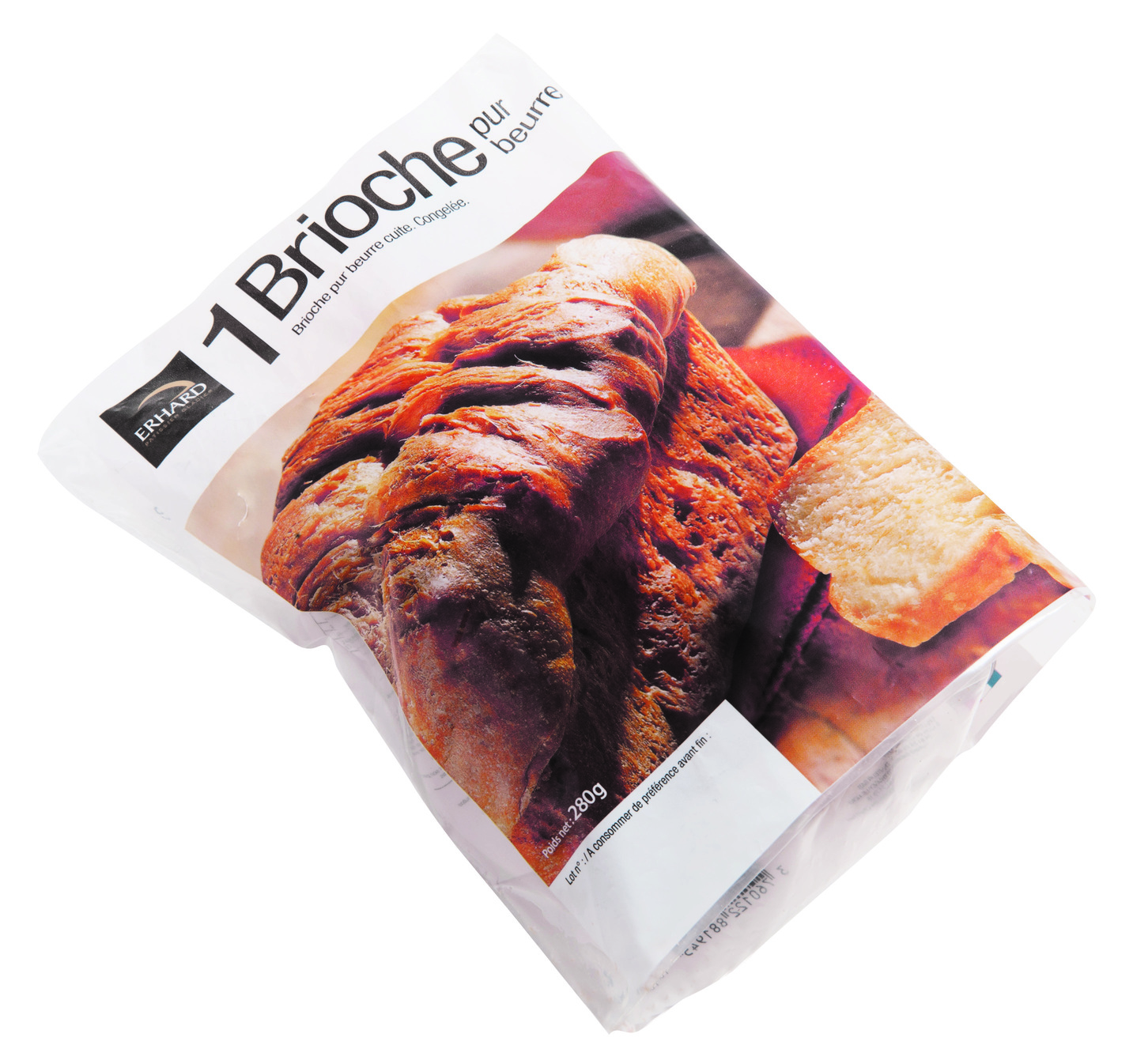 Image unavailable
ERHARD Pure Butter Brioche 280 g
A butter brioche to consider for an occasional treat, after checking that its texture and portion size are suitable for your child.
Its description states that it contains 18% butter and, per 100 g, 5.9 g of sugars and 18 g of fat. It lists wheat, eggs and milk, and may contain traces of soya, nuts and sesame. Check the pack if your child has an allergy.
View on Joybuy
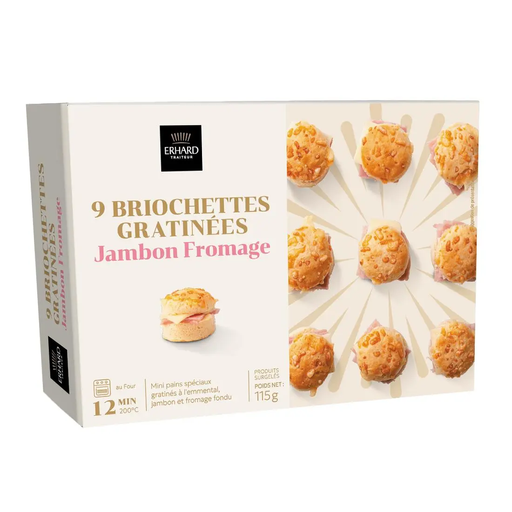 Image unavailable
ERHARD Mini Ham & Emmental Brioche Bites, 9 pieces, 115 g
These filled bites are a savoury snack, not a sweet sliced brioche. Their size doesn’t guarantee that they’re suitable to serve as they are to a toddler.
The description states that they contain 14 g of fat and 1.8 g of salt per 100 g, as well as wheat, milk and eggs. The product must be kept frozen and thoroughly cooked. Once defrosted, the description says to store it in the fridge and eat it within 24 hours. Before serving, also check the temperature and size of the pieces.
View on Joybuy
Frequently asked questions
At what age can you offer brioche to a toddler?
There’s no set age for brioche: what matters is whether your child can manage its texture. Ameli describes how children can progress to small pieces from around 10 months, depending on their abilities. Adjust the portion and size of the pieces, and stay with your child while they eat.
Is reduced-sugar brioche suitable for everyday eating?
The words ‘reduced sugar’ alone don’t make it suitable as an everyday snack. Ameli recommends limiting sugar and fatty foods for young children. Compare total sugars per 100 g, then consider the portion you serve and any extras, such as jam.
Which allergens should you check in brioche?
Check the recipe you’re buying. The Pasquier and Harry’s products featured here contain wheat and eggs, and some also contain butter or carry trace warnings. Read the pack, especially if your child has a known allergy, rather than relying on the label for a different brioche.
How should you store brioche once it’s open?
Follow the instructions on the packaging, as they vary by product. For its sliced brioche, Auchan advises resealing the bag after opening and keeping it away from heat and moisture. Also check the date on the pack.


