Which format is right for you?

For someone organising a polished meeting

If the brioche is to be placed in the middle of the table, a plaited loaf to share or a product carrying a quality mark may suit different expectations. Plan for cutting it up, and check exactly what each claim on the packaging means.

For someone who needs to serve quickly

For a short break, pre-sliced brioche saves you having to cut it during the meeting. Check the number and size of the slices before deciding how many portions to serve.

For a group mindful of ingredients

When buying for several people, compare the ingredients list, allergens and nutritional information for the exact product. Organic, ‘no additives’ and sugar-related claims may not meet the same needs.

Which criteria should you prioritise?

First decide how you’ll serve the brioche and how many portions you’ll need, then compare the recipe for each product you’re considering.

Criterion What to check Who is it for?
Presentation Whole or sliced; whether you can cut it up on the spot. If I want to put a brioche in the middle of the table to share, I need to be able to cut it during the break. Around 40% of consumers are said to prioritise this presentation.
Quick to serve Whether it’s pre-sliced; number of slices shown. When the break is short, I look for portions that are easy to hand out without cutting. This is said to be the top criterion for around 30% of consumers.
Ingredients Ingredients and allergens; sugars per 100 g and, if shown, per portion. When buying for a group, I want to check the recipe and allergens before choosing. Around 20% of consumers are said to put this check at the top of their list.
Quantity to serve Net weight, possible number of portions and storage advice. If the number of people varies, I prefer a format that suits the portions needed and helps avoid leftovers. Around 10% of consumers are said to put this adjustment first.

Mistakes to avoid

  • Confusing claims on the packaging

    ‘Made with butter’, organic and ‘no additives’ describe different qualities. A brioche carrying any one of these claims may still contain sugars or allergens.

    Choose the criterion that matters for your meeting, then read the ingredients list and nutritional information for the exact product.

  • Choosing a large format without planning how to serve it

    A whole brioche to share needs to be cut up on the spot. It may also leave you with leftovers if there aren’t many people attending.

    Estimate how many portions you’ll need, get the serving equipment ready and check the storage advice for the product you choose.

  • Forgetting about allergens when buying for a group

    The recipes mentioned by Brioche Pasquier and Harrys include wheat and eggs, among other ingredients. The Harrys product information also notes possible traces of other allergens.

    Find out about any relevant dietary requirements before buying, then check the allergens on the packaging of every brioche you serve.

Brands and products to know

Brioche Pasquier

The Plain Sliced Brioche is worth considering when you need to hand out portions quickly.

  • Brioche Pasquier describes its plain brioche as pre-sliced.
  • According to the brand, its ‘30% Less Sugar’ product contains 8.8 g of sugars per 100 g and 2.8 g per 32 g portion. Remember to take the size of the portion you serve into account.

Harrys

The range includes sliced brioches, including a Plain Sliced Brioche that Harrys describes as having ‘no additives’.

  • The sliced format can make it easier to hand out portions.
  • The product information lists 15 g of sugars per 100 g, as well as wheat, eggs and butter. It also notes possible traces of soya, nuts and sesame.

Carrefour Bio

Carrefour’s product information describes a 400 g organic, all-butter sliced brioche, combining a pre-sliced format with ingredients identified as organic.

  • You can compare the weight and sliced format with the number of portions you need.
  • The organic claim alone doesn’t tell you about sugars or allergens: check the ingredients for this product.

La Boulangère

The 800 g all-butter Plaited Brioche, shown on Auchan’s product page, is a whole loaf to consider for a table where everyone can help themselves.

  • Its plaited shape and weight make it suitable for cutting up on the spot.
  • Have serving equipment ready and choose a format that suits the number of people attending.

Nos Régions ont du Talent

E.Leclerc’s product page features a 500 g all-butter Vendée brioche with the Label Rouge quality mark.

  • This product is a specific option if you’re looking for a Vendée brioche carrying the Label Rouge mark.
  • This mark alone doesn’t tell you how its sugars or allergens compare with those of another brioche: check the label of the product you choose.

A brioche to consider on Joybuy

This selection features a 280 g butter brioche. If serving quickly matters for your meeting, check how it’s packaged before choosing.
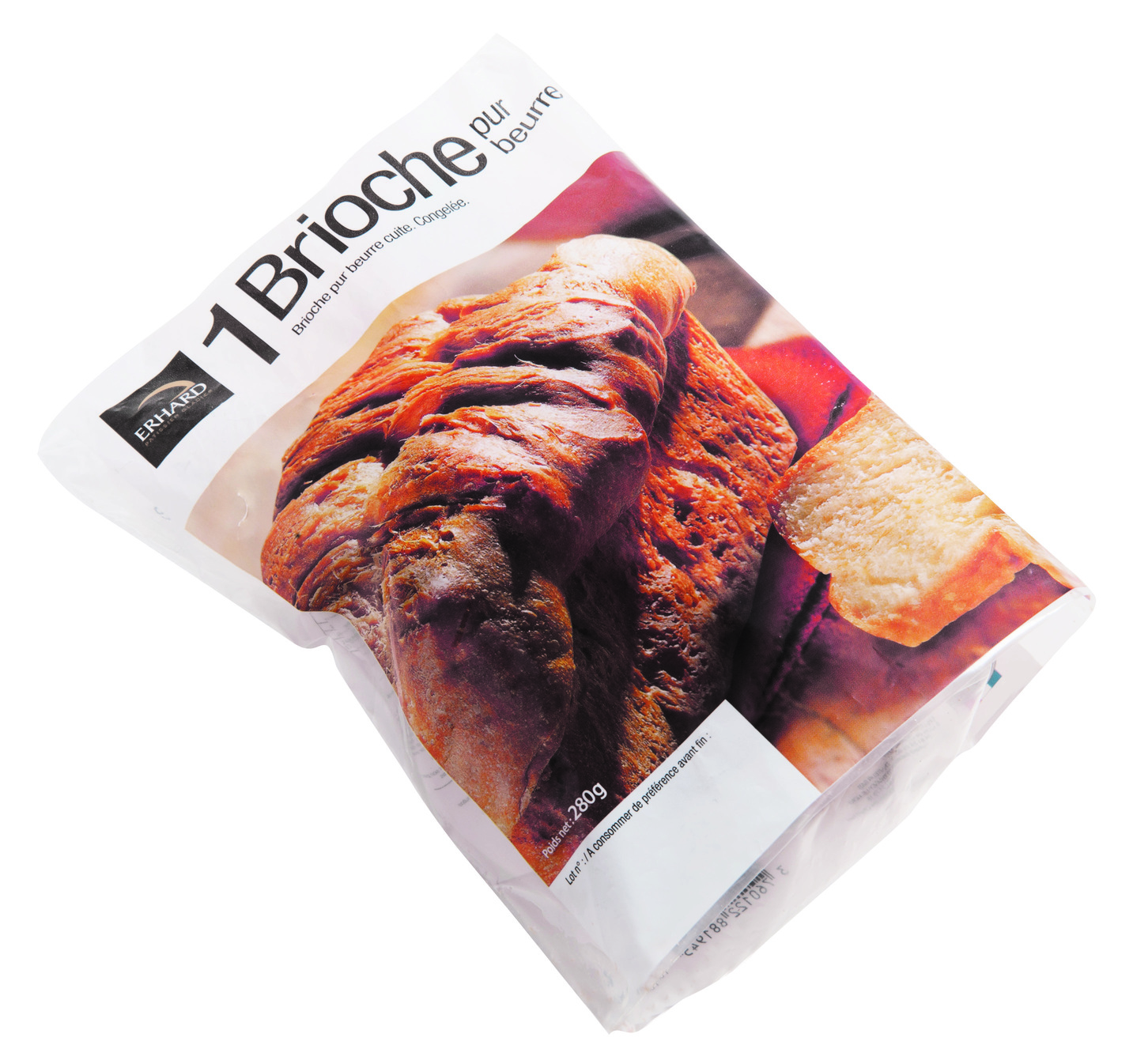
ERHARD all-butter brioche 280 g

ERHARD all-butter brioche 280 g

This 280 g brioche is an option if you’re looking for a buttery choice for your coffee break. Before planning how to serve it, check whether it’s sliced and how many portions you can prepare. If you’re buying for a group, also check the ingredients and allergens on the packaging.

View on Joybuy

Frequently asked questions

Is a plaited brioche suitable for a short coffee break?

Yes, if you can arrange to cut it up and hand out portions during the break. Otherwise, pre-sliced brioche saves you this step. Also compare the portions you need with the number of people attending.

Does ‘no additives’ mean ‘allergen-free’?

No. Harrys’ Plain Sliced Brioche, described as having ‘no additives’, contains wheat, eggs and butter, among other ingredients. Its product information also notes possible traces of soya, nuts and sesame. Check the label on the product you buy.

What does the Label Rouge mark mean for a Vendée brioche?

Under the decree of 17 July 2025 published on Légifrance, use of the LA 02/02 ‘Brioche’ Label Rouge mark alongside the ‘Brioche vendéenne’ PGI is subject to compliance with the PGI’s product specifications. This mark alone doesn’t tell you about the sugars or allergens in a particular product.

How can you compare the sugar content of two brioches?

First, check the ‘sugars’ value per 100 g in the nutritional information for each product, then take into account how much you’ll serve. The amount per portion depends on the weight of that portion and isn’t a substitute for comparing values per 100 g.

What should you check on pre-packaged brioche for a group?

Check the ingredients list, highlighted allergens, nutritional information, net quantity and date shown on the packaging. In France, the Direction générale de la concurrence, de la consommation et de la répression des fraudes explains the labelling rules that apply to pre-packaged food.