Parents of children who are reluctant to try new things
A plain, sliced brioche is a straightforward option if your child already knows this type of product. That doesn’t guarantee they’ll like it : their usual preferences are still the best guide.


If your child is reluctant to try new things, start with a plain, sliced brioche if that’s a familiar format for them. A plaited or pure-butter brioche could work for a special meal if your child enjoys that recipe, but its appearance won’t guarantee they’ll eat it. In every case, check the ingredients and allergens for the product you choose, as well as the school’s rules if you plan to serve it there.
A plain, sliced brioche is a straightforward option if your child already knows this type of product. That doesn’t guarantee they’ll like it : their usual preferences are still the best guide.
If sugar or fibre levels matter to you, compare the nutrition information per 100 g, then consider the portion you plan to serve. A claim on the front of the pack doesn’t tell you everything about the recipe.
Check the ingredients and allergens on the packaging of the product you buy. If your child follows a special diet for health reasons, also check the arrangements agreed with the school.
Start with what your child already knows, then compare recipes based on dietary requirements, ingredients and how you plan to serve the brioche.
| Criteria | What to check | Who is it for ? |
|---|---|---|
| Familiarity | Plain recipe, any filling and sliced format. | If your child refuses unfamiliar foods, it’s best to offer a brioche they already know ; around 33% of consumers would put familiarity at the top of their list. |
| Allergens and school | Ingredients, allergens, precautionary allergen statements and any requirements that apply to your child. | For a school snack, my first priority is knowing whether the product meets my child’s dietary requirements ; around 27% of consumers would make this their top priority. |
| Ingredients and nutrition | Sugars and fibre per 100 g, ingredients and what a “less sugar” claim is based on. | When comparing two recipes, I want to read their nutritional values without losing sight of what my child will accept ; this would be the main consideration for around 20% of consumers. |
| Format and occasion | Weight, number of portions needed and storage instructions. | For a special meal, I’m most interested in a brioche to share if its format suits the way I plan to serve it ; around 20% of consumers would put this practical consideration first. |
These terms describe a product’s positioning or recipe, not your child’s preferences. The pure-butter plaited brioche from Carrefour Traiteur, for example, lists gluten, eggs and milk.
First, choose a recipe that suits your child’s dietary requirements and known preferences ; save a brioche made for sharing for an occasion when that format is useful.
This claim compares a recipe with a reference specified by the brand. It doesn’t describe every ingredient or allergen.
Compare the “sugars” value per 100 g, check the stated comparison basis and read the ingredients list.
A product name or festive presentation isn’t enough to identify the allergens in the specific product you plan to serve.
Check the ingredients, allergens and storage instructions on the packaging of the product you buy.
If your child’s health means they need dietary adjustments, an individualised care plan (PAI) may set out the arrangements that apply at school, according to the Ministry of National Education.
Check the school’s rules and, if there is a PAI, follow the arrangements it sets out before sending the product in.
The brand offers a Plain Sliced Brioche and a Sliced Brioche labelled “30% less sugar” : two recipes to consider separately.
Harrys offers, among other products, a less sweet sliced brioche and a wholemeal sliced brioche.
Its sliced, pure-butter plaited brioche is an option to consider for a meal where you’ll be sharing.
E.Leclerc offers a 500 g Vendée-style brioche made with pure butter and bearing the Label Rouge quality label.
Auchan’s brioche range includes different formats and recipes, as well as a Schär brioche-style loaf that is explicitly labelled gluten-free.
This pure-butter brioche is an option for a special meal. If your child prefers a plain brioche they already know, keep that need separate from choosing a pure-butter recipe.
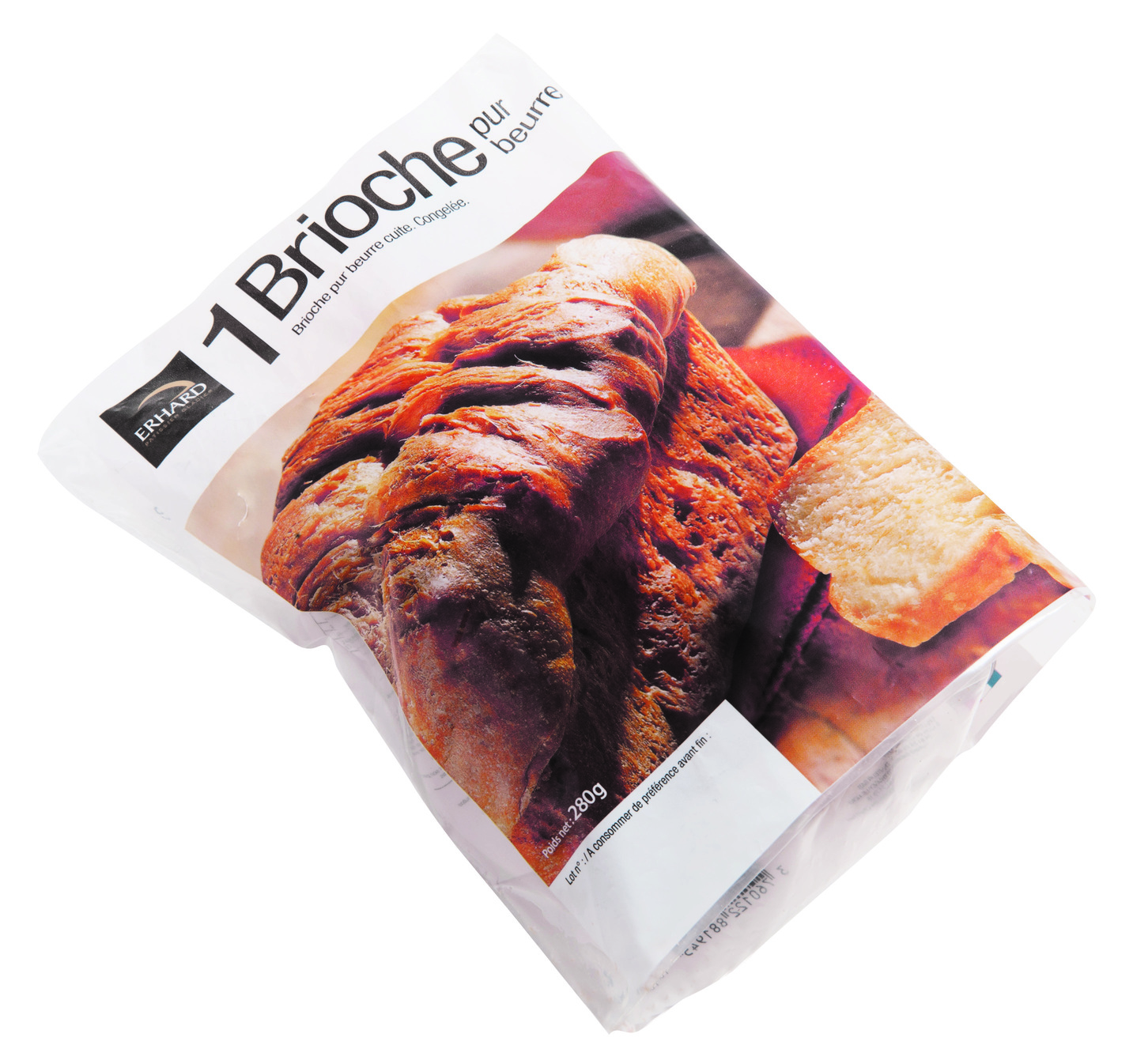 Image unavailable
Worth considering for a special meal if your child already likes pure-butter brioche. This product comes in a 280 g format : check its presentation, ingredients and allergens on the packaging before planning to serve it or include it in a school snack.
Don’t assume it is : the Pasquier, Harrys and Carrefour Traiteur brioches mentioned here contain wheat or gluten. If your child needs to avoid gluten for medical reasons, look for a product explicitly labelled gluten-free and check the label on the pack you buy, along with any other relevant allergens.
First, check the arrangements for your child with the school. According to the Ministry of National Education, a PAI can set out dietary adjustments for pupils who need them ; if your child has one, follow its instructions rather than assuming packaged food is allowed.
Check the sugar content per 100 g on each nutrition table, then look at the reference used for the comparative claim. Also check the ingredients and the portion you plan to serve : “less sugar” doesn’t mean sugar-free.
No. Harrys uses this claim for some brioches while noting that certain ingredients may have a similar function ; the products in question contain wheat. Check the allergens and any precautionary allergen statements for the specific recipe before serving it.