Cyclists planning a long ride or race
You want to fit brioche into a wider fuelling plan without overlooking drinks or when to eat. The IRBMS highlights the importance of appropriate fuel on long rides.


When choosing brioche for cycling, think about when you plan to eat it rather than relying on the word ‘premium’: an all-butter recipe is ideal when you fancy something special, while sliced brioche makes it easier to choose a portion. Before a race, compare the ingredients and take your own tolerance into account. For a long ride, brioche alone cannot replace hydration or the other fuel you’ve planned for your effort, as the IRBMS points out.
You want to fit brioche into a wider fuelling plan without overlooking drinks or when to eat. The IRBMS highlights the importance of appropriate fuel on long rides.
You want to choose a portion for breakfast or a snack, and compare the carbohydrates, sugars, fibre and fat listed on the packaging.
You prioritise the ingredients and the pleasure of a more indulgent brioche, without assuming it’s also the right choice for a meal just before an event.
First decide when you’ll eat the brioche, then compare the nutrition figures per 100 g with the portion you’ll actually serve. The word ‘premium’ doesn’t tell you either of these things on its own.
| Criterion | What to check | Who it matters to |
|---|---|---|
| When you’ll eat it | Carbohydrates per 100 g and per portion; how the brioche fits into your planned fuelling. | Before a long ride or race, I want to know when to eat my portion without relying on brioche as my only fuel. Around 42% of consumers put the timing and planning of their fuel at the heart of their choice. |
| Ingredients and portion | Sugars, fibre and fat on the same basis; portion weight and allergens on the packaging. | For breakfast or a snack around training, I prefer to be able to portion out the brioche and check its ingredients carefully. Being in control of the ingredients and portion is the main concern for around 33% of consumers. |
| All-butter recipe | Recipe ingredients; fat and saturates per 100 g. | For a special meal well away from exercise, I’m mainly looking for a recipe made with butter and eggs, without seeing it as a promise of race-day suitability. This recipe choice comes first for around 25% of consumers. |
Butter can be a recipe preference, but it doesn’t tell you whether a food is suitable for exercise. For the day before a competition, the IRBMS recommends choosing an easy-to-digest meal and avoiding fatty foods in particular.
If you’re planning to eat brioche close to an event, check its fat content and choose when to eat it based on your own tolerance.
Sugar content doesn’t tell you everything about a product. Brioche Pasquier and Harrys each list 11 g of fat per 100 g for the less-sweet versions mentioned here.
Compare carbohydrates, fibre and fat per 100 g too, then work out what those figures mean for the portion you’re planning to eat.
The recipes mentioned here list wheat and eggs, among other ingredients; milk and traces of other allergens vary from one product to another.
If you need to avoid an allergen, check the information on the packaging of the product and batch you buy, rather than relying on the details for a different recipe.
The IRBMS points out that a 2 to 4-hour cycling ride requires a significant amount of energy, and that both drinks and food have a role to play in preparing for it.
Plan your hydration and ride food separately. If you’re taking brioche with you, try it in training rather than for the first time during a race.
Two sliced brioches give you the chance to compare a plain recipe with a version labelled as having reduced sugars.
The less-sweet sliced brioche is another option to compare by portion, without assuming from its name that it’s suitable for exercise.
The 500 g sliced, braided all-butter brioche is an example of a recipe-led choice for a special meal.
The mini all-butter gâches in this range are an example of a recipe to consider for breakfast or a special meal.
This selection features an all-butter brioche to consider for breakfast or a special meal well away from a race. If you’re looking for a snack to portion out around a ride, start with the portion you’ll actually serve and check the label.
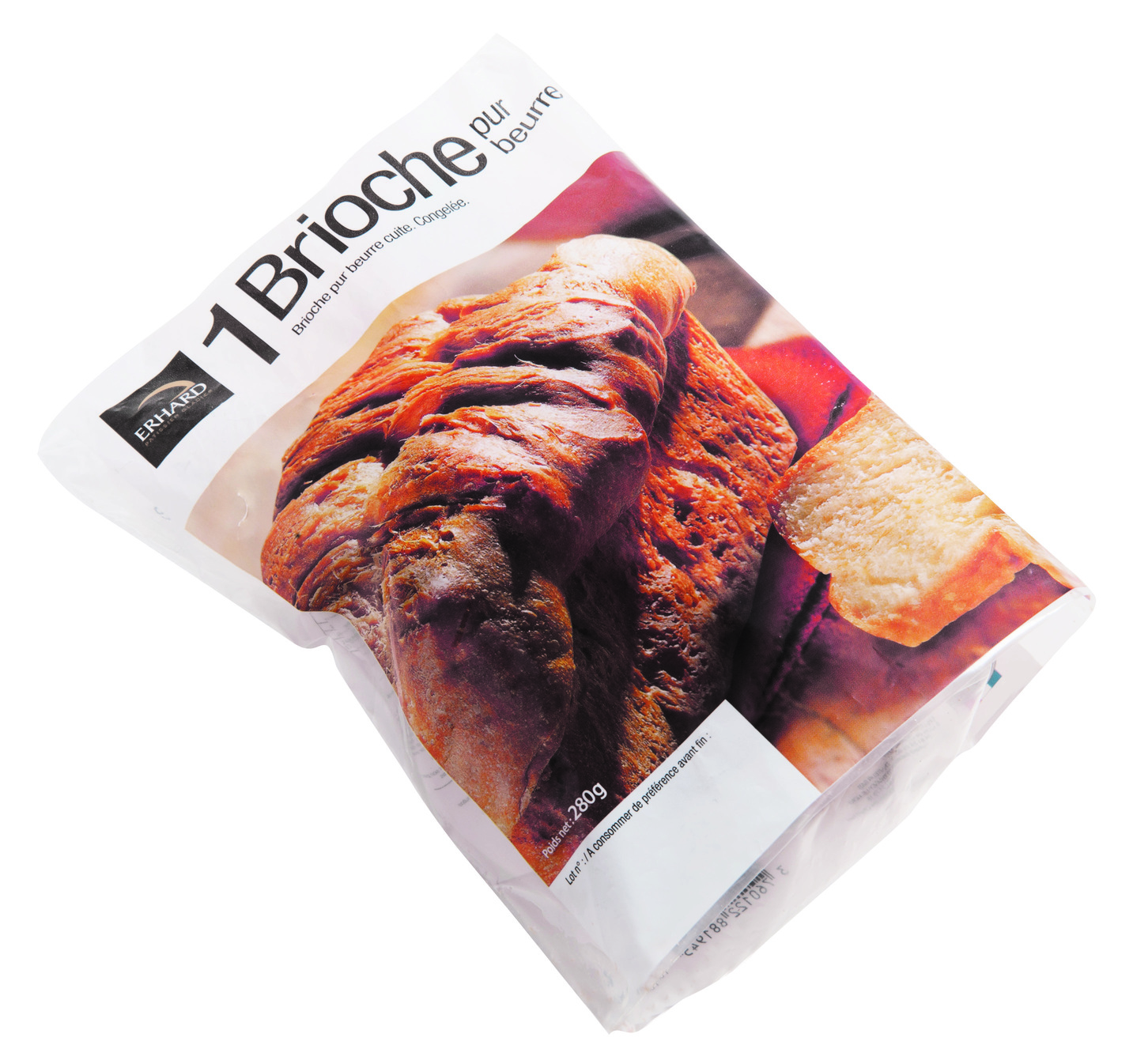 Image unavailable
An all-butter brioche to consider if you’re choosing a recipe for a meal well away from immediate exercise. It comes in a 280 g pack. To portion it out as a snack, check the weight of the portion you’ll serve, as well as the nutrition information and allergens on the packaging.
Don’t choose it based on the recipe alone. The IRBMS recommends an easy-to-digest meal on the day before a competition and advises avoiding fatty foods in particular. If you’d like to eat brioche before riding, try the portion and timing during training first.
First compare their nutrition information per 100 g on the same basis, then look at the figures for the portion you plan to eat. Check carbohydrates, sugars, fibre, fat and salt in particular. The DGCCRF also highlights the importance of the ingredients list and allergen information on prepacked foods.
No. The label doesn’t tell you how much to take or cover your overall fuelling plan. For a long cycling ride, the IRBMS stresses that hydration and food intake should be planned with the duration and conditions of the ride in mind.
Follow the use-by date and storage instructions on the packaging of the product you buy. For example, Carrefour Traiteur’s braided brioche product information says to store it at room temperature. Don’t assume the same instructions apply to other brioches.