Hosts who want to share a whole brioche
A whole brioche can be sliced just before serving. If you’re looking for a recipe made with butter and eggs, compare the ingredients of the product you choose rather than relying on how it is presented.


First, choose your brioche based on how you plan to serve it. A pre-sliced loaf makes it easier to prepare toast with toppings, individual portions mean no slicing at the buffet, while a whole brioche is ideal for sharing. For an Asian dinner, also check that its flavour and, where applicable, its filling work with the menu. The words ‘all-butter’ are no substitute for checking the ingredients, allergens and nutritional information.
A whole brioche can be sliced just before serving. If you’re looking for a recipe made with butter and eggs, compare the ingredients of the product you choose rather than relying on how it is presented.
Pre-sliced brioche makes it easier to prepare toast with toppings. Individual portions can also simplify buffet service, but be sure to check whether they need preparing before serving.
Wheat, eggs and milk or butter feature in several of the products covered here. Check the ingredients and warnings on the actual packaging before serving any guests who need to avoid them.
For your dinner, start with how you’ll serve the brioche and what’s on the menu, then compare the recipe and label of each product.
| What matters | What to check | Who is it for? |
|---|---|---|
| Serving and sharing | The number of pieces or portions and whether you’ll need to slice the brioche. | If I’m putting a brioche in the middle of the table, I prefer one that’s made for sharing; around 27% of consumers prioritise this presentation. |
| Recipe | The highlighted ingredients, their stated proportions and the nutritional information per 100 g. | If the recipe matters more to me than the format, I want to be able to compare the butter, eggs or cream in real terms; around 33% of consumers prioritise this. |
| Quick preparation | Whether it’s pre-sliced or portioned, and any preparation instructions before serving. | When I have several dishes to prepare, I want to cut down on last-minute slicing and plating; speed comes first for around 20% of consumers. |
| Label and allergens | The ingredients, allergens and storage instructions for the pack you’re buying. | If a guest needs to avoid certain ingredients, I check the exact product before serving it; this is the top priority for around 20% of consumers. |
This describes the recipe, but it isn’t enough to tell you whether the brioche suits your menu or what its nutritional values are.
Compare the ingredients and nutritional information per 100 g of the products you’re considering, then decide which format works best for serving.
The Pasquier and Carrefour brioches mentioned here contain wheat, eggs and butter or milk, among other ingredients. Ingredients and warnings can vary from one product to another.
Read the packaging of the product you buy, including any ‘may contain’ warnings, before serving it to someone with an allergy.
Your chosen format should also suit how much you plan to serve: an opened bag may have some portions left over after the meal.
Follow the storage instructions for the product. For its all-butter mini gâches, Auchan Gourmet says to reseal the bag securely after opening.
Brioche Tranchée Nature is a handy option for making toast or slices to spread, without having to cut a whole brioche.
The 400 g Reflets de France Brioche Nanterre Pur Beurre is a useful example of a brioche to share. Carrefour describes Reflets de France as a brand specialising in regional products.
The all-butter mini gâches in this range come in a pack of eight, making them a convenient option when you don’t want to slice anything.
These two products suit different ways of serving: savoury filled bites for an appetiser, and a butter brioche you can portion as needed. The bites need to be cooked before serving.
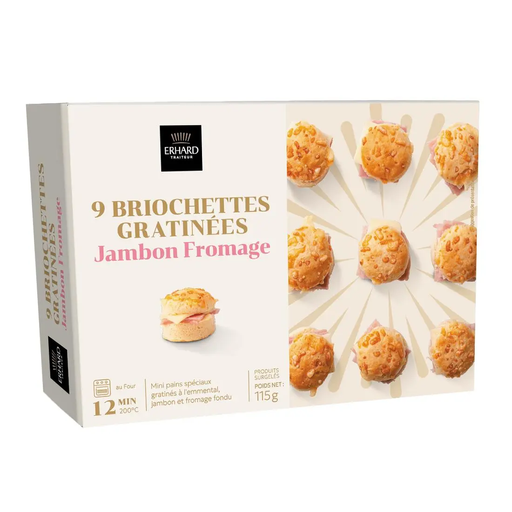 Image unavailable
For a savoury appetiser in bite-sized portions, these nine bites are filled with ham and Emmental; they’re not a substitute for plain brioche. The product information says to cook them thoroughly in the oven at 200 °C for 12 minutes, store them frozen at −18 °C and not refreeze them after thawing. It lists wheat, milk and eggs; check the packaging for warnings before serving them to anyone with an allergy.
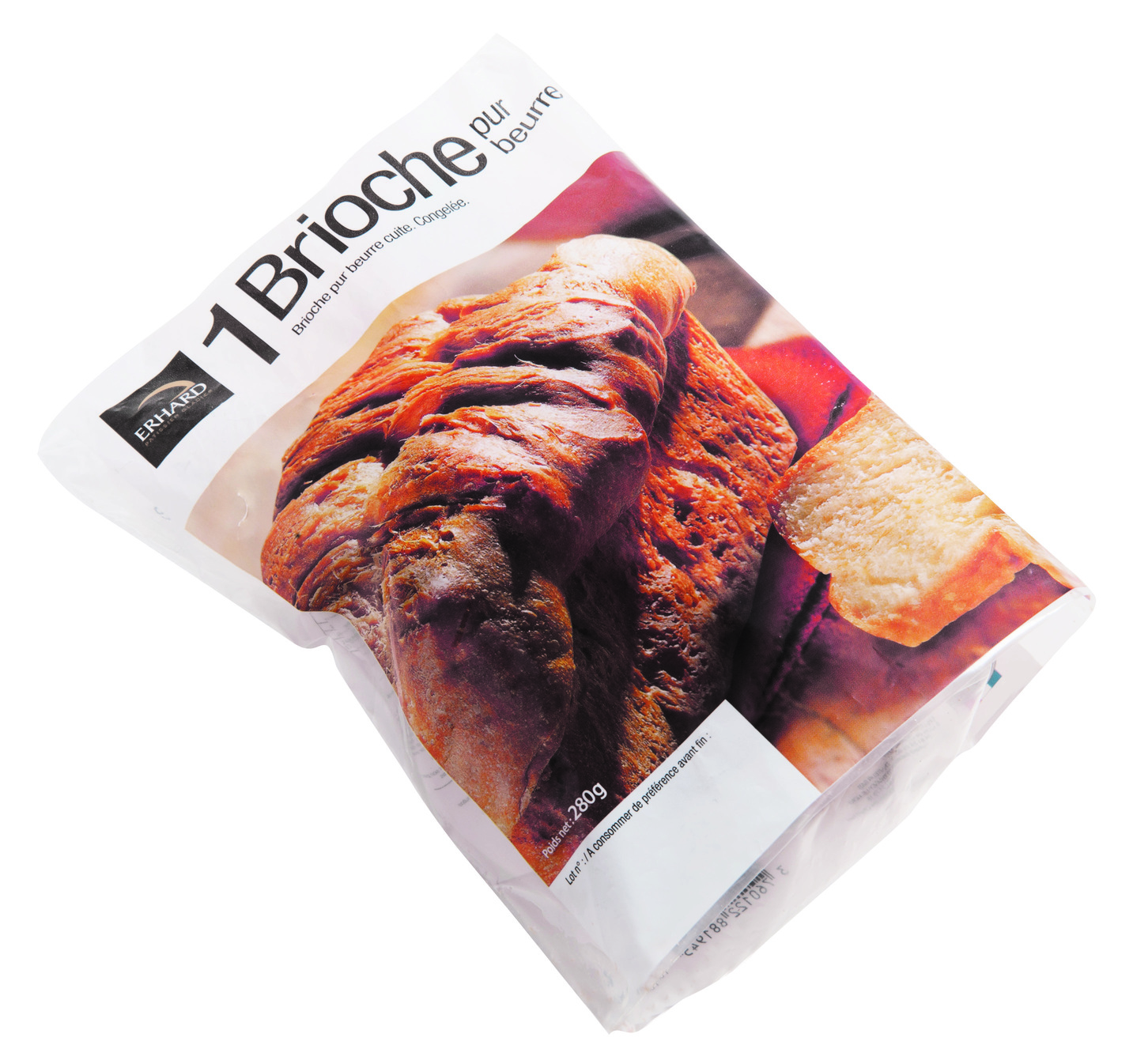 Image unavailable
This butter brioche could be a good choice if you’d like to prepare the portions or toppings yourself. The 280 g size doesn’t tell you whether it’s already sliced, so check if you’re planning to make toast. The product information lists wheat, eggs and butter, and says it may contain traces of soya, nuts and sesame.
Don’t assume it is: the Pasquier and Carrefour products mentioned here contain wheat, eggs and butter or milk. Check the ingredients and any warnings on the packaging of the brioche you plan to serve.
Read the ingredients, allergens, quantity, nutritional information and storage instructions so you can compare products for your meal. The DGCCRF states that allergenic ingredients must be highlighted on food labels.
Follow the instructions for the product you buy. For example, Auchan Gourmet says to reseal the bag of its all-butter mini gâches securely after opening; this instruction may not apply to another product.