Hosts serving an Advent breakfast
You want to serve a brioche that’s easy to share. The number of slices, the weight and the recipe matter just as much as how it looks on the table.


For an Advent gathering, an all-butter brioche is one option if its recipe and size suit the occasions you have planned. If you’re more interested in the ingredients or sugar content, compare the products’ labels, then check the allergen information and storage instructions before buying.
You want to serve a brioche that’s easy to share. The number of slices, the weight and the recipe matter just as much as how it looks on the table.
You compare brioches by looking at their ingredients lists, declared additives and nutritional information, rather than relying on the word ‘premium’ alone.
You need to check the product you’re buying and any ‘may contain’ warnings before serving it. According to the DGCCRF, allergenic ingredients must be highlighted on food labels.
For Advent gatherings, start by thinking about how you’ll serve the brioche, then compare the recipe and the information on the pack.
| Criteria | What to check | Who is it for ? |
|---|---|---|
| A brioche to share | The product description, declared ingredients, and weight or number of slices. | If you’re serving brioche to a group, the recipe and ease of serving come first. Around 36 % of consumers would put sharing first. |
| Ingredients | The full ingredients list and exactly what a ‘no additives’ claim means. | If the declared ingredients guide your choice, a claim on the front of the pack isn’t enough. Ingredients are reportedly the top priority for around 29 % of consumers. |
| Nutritional information | Sugars and fat per 100 g, using the same basis for comparison. | If sugar content is a deciding factor, compare the figures per 100 g without assuming they reflect the brioche’s overall quality. Around 21 % of consumers would prioritise this criterion. |
| Size and storage | The weight, the date shown and storage instructions after opening. | If you’ll be serving the brioche on several occasions, I’d choose a size that suits your plans. This practical consideration would come first for around 14 % of consumers. |
The term doesn’t tell you how much butter or egg a particular brioche contains, its size or its allergens.
Compare the product description, ingredients list and nutritional information for each product.
Harrys explains that its ‘no additives’ claim doesn’t rule out ingredients that serve a similar purpose. Nor does the claim, on its own, tell you anything about allergens.
Read the full ingredients list and check the pack for any ‘may contain’ warnings.
If you’re planning to serve the brioche on several occasions, follow the storage instructions on its packaging, particularly after opening.
Match the weight and number of slices to your plans, then check the date and instructions for resealing the pack.
Its plain sliced brioche is worth considering if you’re looking for something ready to serve or toast.
Its ‘less sugar’ sliced brioche may appeal if you’re comparing sugar content or declared additives first.
Carrefour Bio’s organic, all-butter sliced brioche is an option to consider if you’re serving it by the slice.
The products covered include an all-butter Vendée brioche with the Label Rouge quality mark and an Epi d’Or sliced brioche.
Auchan’s product information lets you compare Maline Thomas thick-sliced brioche with an Auchan Gourmet gâche brioche to share.
An all-butter brioche to consider for Advent gatherings. Check that the size suits the occasions you have planned.
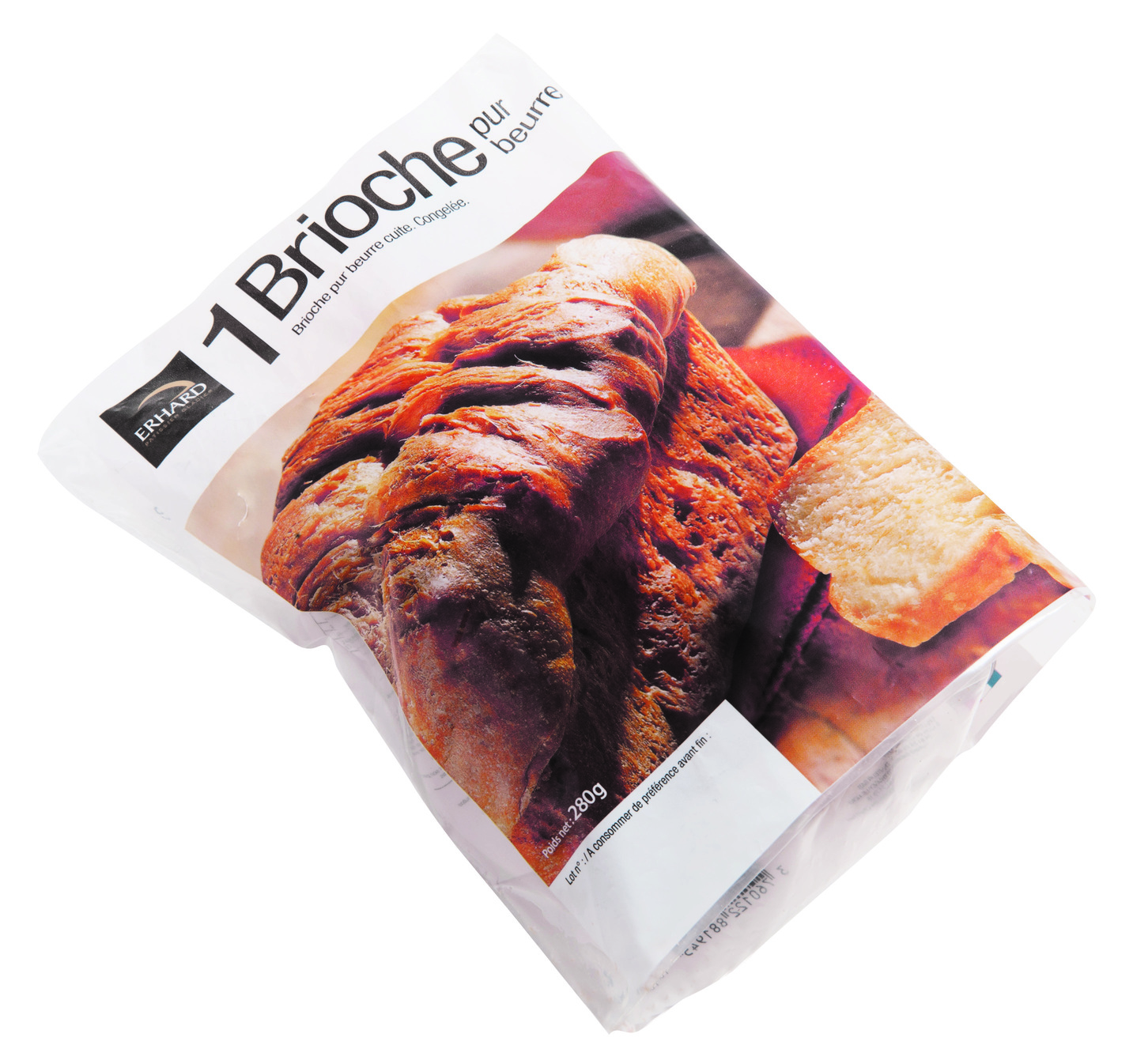 Image unavailable
If you’re serving an all-butter brioche at an Advent gathering, check whether this size is right for the number of occasions you have planned. Also check the pack for allergen information, the date and storage instructions after opening.
Choose a recipe and size that suit the number of people and occasions you’re catering for, rather than relying on the word ‘premium’ alone. Compare the declared ingredients, any stated butter or egg percentages, the weight and whether it comes sliced or is designed to share.
No. Check the label on the product and batch you’ve bought, including any ‘may contain’ warnings. According to the DGCCRF, allergenic ingredients must be highlighted on food labels.
According to the DGCCRF, you must not eat a product after its use-by date. A best-before date means something different. Also check the condition of the packaging and the storage instructions after opening.