
Livraison le jour même ou le lendemain

Qualité garantie

Débloquez vos offres de bienvenue: Livraison GRATUITE | Jusqu'à -80 % | 30 jours d'essai gratuits à JoyPlus
Téléchargez l'application
Bret’s French crisps are loved for their regional recipes, wavy cuts and sometimes surprising flavour combinations. But an appealing packet isn’t enough to make the right choice. Between a taste that’s too strong, a quantity that doesn’t match the number of guests, and allergens that aren’t always obvious, some purchases can disappoint the moment you open the bag.
That’s why Joybuy’s product recommendations manager bases their selection on concrete criteria: ingredients, stated origin, flavour profile, pack size and storage conditions.
Terms like “Breton”, “Basque” or “Savoyard” often refer to a culinary inspiration. They don’t guarantee that all the ingredients come from that region. To check, look at the ingredients list and the country of origin. Several Bret’s products mention French potatoes and production in Brittany, but each product page should be checked individually.
The label artisan French crisps also deserves a close look. A traditional presentation or an original recipe doesn’t replace the mandatory information on ingredients, allergens and nutritional values.
A vinegar, cheese or chilli recipe can work perfectly for an adults-only aperitif, but less so for a family table where tastes differ. Barbecue crisps, cheese crisps and spicy recipes have a bolder profile than simply salted ones.
For an aperitif with several guests, a selection of Bret’s crisps lets you vary the intensity. For two or three people having an occasional snack, a single 125 g bag of aperitif crisps is often easier to manage.
Depending on the recipe, products may contain milk, wheat, barley or mustard, or may state the possible presence of traces of celery. A cheese recipe will usually contain milk, while some flavoured preparations may include cereals containing gluten.
Nutritional values are typically given per 100 g. A 125 g bag therefore represents more than that reference amount. Always check the label on the packet you receive, especially if you have an allergy or intolerance, as the recipe can change.
The products featured here state that the potatoes come from France, in proportions that vary by recipe. The Paysanne crisps, for example, contain 64.9% potatoes, compared with 62.9% for the Salt & Vinegar flavour crisps. These percentages let you compare recipes beyond just the packet design.
Some products are made in Brittany by ALTHO, a company mentioned on the product pages. This information may matter to shoppers looking for Breton crisps or a French savoury snack, but it should be verified on each individual packet.
Wavy crisps have a more structured surface. This cut holds onto seasoning better and works well with dips and spreads. Thinner crisps offer a different feel, often lighter in the mouth, but they can also be more prone to breakage during transport.
Texture alone, however, isn’t enough to judge the overall quality of the recipe. Also look at the potato content, the type of oil used and the amount of salt.
The Bret’s recipes in this selection mainly use sunflower oil. Their energy value is typically between 522 and 527 kcal per 100 g, with variations depending on the flavour. The Paysanne crisps have 544 kcal per 100 g, while the Camembert & Truffle crisps are around 520 kcal.
Before buying, check the following:
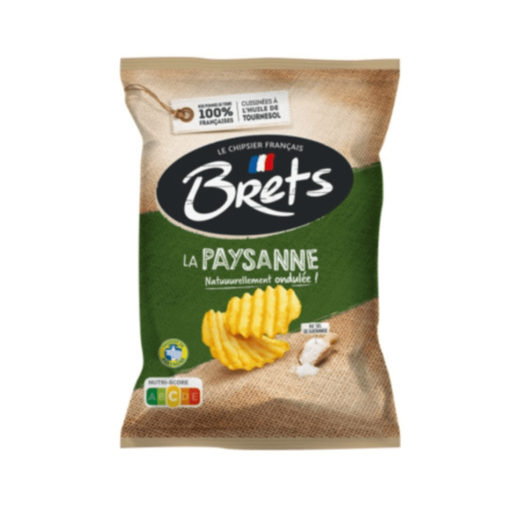
Why this choice suits this profile: A simple recipe with Guérande sea salt, ideal for discovering French crisps and for aperitifs where everyone prefers a subtle flavour.
The ingredients list is short: French potatoes, sunflower oil and Guérande salt. No allergens are declared on the product page.
Wavy cut, 64.9% potatoes and 1.1% salt. The bag contains 125 g.
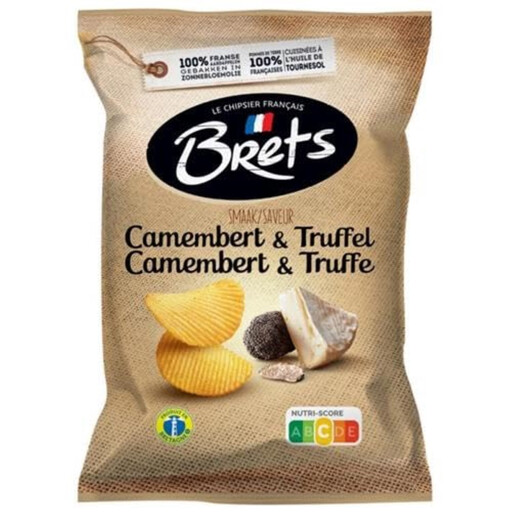
Why this choice suits this profile: This combination will go down a treat with fans of cheese-based recipes and on a tasting table alongside drinks or a cheese board.
The product page states the presence of milk and the declared proportions: 2.9% camembert powder and 0.06% summer truffle.
Ribbed cut, 125 g bag and a blend of camembert and summer truffle.
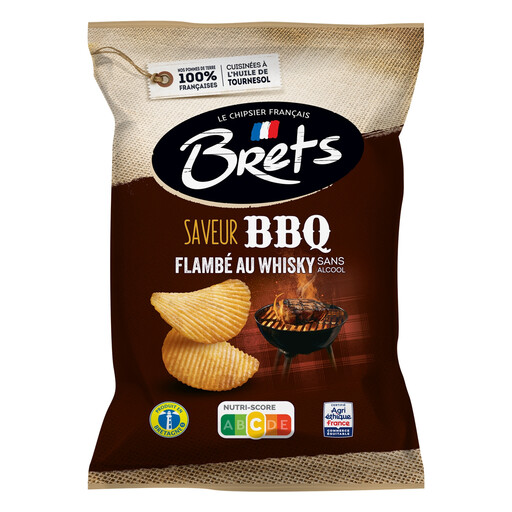
Why this choice suits this profile: Its smoky, spicy recipe is perfect for big gatherings, barbecue evenings and aperitifs where you want a bold flavour.
The flavour profile is clearly detailed: smoked paprika, onion, garlic, pepper and malt extract containing barley.
62% French potatoes, 32% sunflower oil and a stated salt content of 1 g per 100 g.
We’ve put together a complete, real-time updated list of products that fully meet these strict selection criteria and European safety regulations.
Keep the bags in a cool, dry place away from direct light. Heat and moisture can make the crisps go soft. After opening, seal the packet carefully and eat them quickly. For an aperitif, tip them into a clean bowl rather than leaving the bag open for several hours.
Cheese, vinegar or spicy recipes can be divided into several bowls so that one dominant flavour doesn’t overpower the others. A selection combining a plain recipe, a cheese recipe and a barbecue recipe will suit a range of palates.
Several products in this selection state that they are made in Brittany or France by ALTHO, using French potatoes. However, check the label and the product page of your chosen item to confirm its origin.
A 125 g bag can work for a small aperitif or to complement other nibbles. For a larger gathering, go for several flavours rather than one big quantity, so you can satisfy everyone’s tastes.
Always read the allergen declaration. Cheese recipes contain milk, some flavours may contain wheat or barley, and several product pages mention the possible presence of traces of celery or mustard. If you have an allergy or intolerance, the packet you receive is the definitive source.