
Livraison le jour même ou le lendemain

Qualité garantie

Débloquez vos offres de bienvenue: Livraison GRATUITE | Jusqu'à -80 % | 30 jours d'essai gratuits à JoyPlus
Téléchargez l'application
A breathable, anti-sweat men’s t-shirt can be incredibly handy for daily commutes, sport, hiking or camping. But only if it actually delivers on its promises. Some models struggle to wick away moisture, others trap odours, and plenty come out of your bag looking creased.
To avoid disappointment, it’s worth taking a close look at the fabric, the fit, the care instructions, and what those advertised treatments really mean.
A thin polyester top might feel cool at first touch, but that doesn’t mean it will wick away sweat effectively. Breathability depends on the textile’s structure, its knit, and its ability to move moisture to the surface of the fabric.
If you’re looking for a men’s quick-dry t-shirt, prioritise descriptions that detail moisture management rather than just vague claims like “lightweight” or “summer comfort”.
An antibacterial men’s t-shirt or anti-odour top doesn’t replace regular washing. Its effectiveness varies depending on the treatment used, your level of perspiration, how long you wear it, and the conditions you’re in. Mentions like “AAA” should be read as a classification or a manufacturer-specific claim, not a universal European certification.
According to information provided by brands, some treatments aim to limit the bacteria responsible for bad smells. This is a textile feature, not a medical claim.
Even the most high-performance fabric becomes uncomfortable if it pulls across the shoulders or squeezes under the arms. A fit that’s too close to the body restricts airflow, while one that’s too loose can get in the way during physical activity.
Compare the measurements given with a top you already own. Pay particular attention to the chest size, the garment length, and – for a technical men’s polo shirt – the ease around the collar and shoulders.
A men’s polyester t-shirt is often the go-to for sport and outdoor activities because it’s generally lightweight and dries quickly. However, its feel and ability to limit odours can vary considerably depending on the weave and the treatment applied.
Cotton feels great for everyday wear, but it can stay damp for longer after exercise. A cotton-polyester blend can be a good compromise between comfort, drying speed and ease of care.
For hiking, a bike ride or a workout, choose a textile described as absorbent and moisture-wicking. The clearest product descriptions explain that sweat is drawn away from the skin and spread across the fabric’s surface to speed up evaporation.
That doesn’t mean the garment will stay dry in every situation. Temperature, exercise intensity, the weight of your rucksack and ventilation all play a part too.
A non-iron men’s polo shirt, or one simply designed to resist creasing, can make business trips and light packing much easier. However, the care instructions are still crucial.
Before you order, check the following points:
Washing or drying at too high a temperature can shorten the life of the fibres and damage the textile treatments.
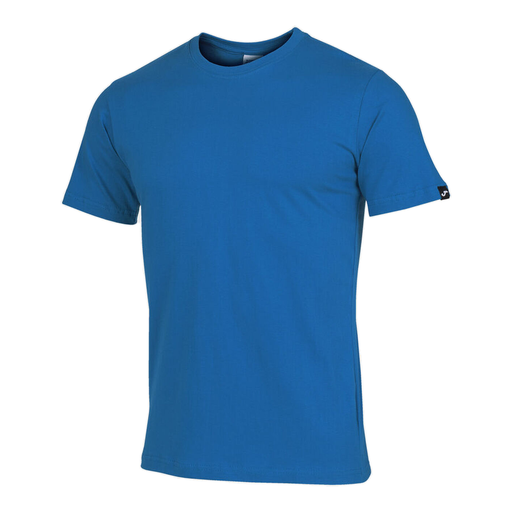
Why this suits this profile: With its round neck, this top is ideal for easing into sport, heading to class, casual outings or everyday activities. Its 100% polyester construction focuses on lightness and quick drying.
The composition and care instructions are clearly stated. So you’re not paying for a vaguely described antibacterial treatment.
100% polyester, short sleeves, machine washable at low temperature, and can be air dried or tumble dried on low heat.
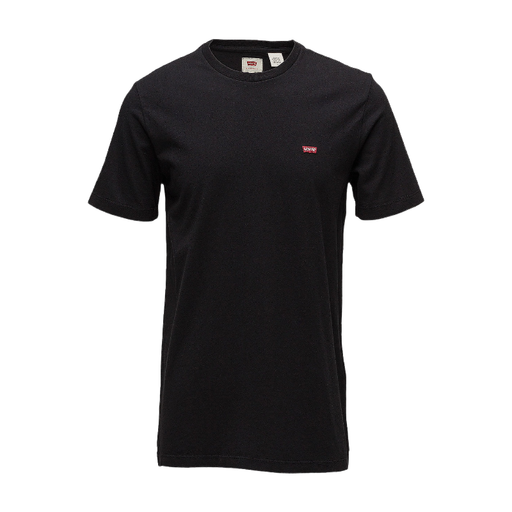
Why this suits this profile: This t-shirt focuses on everyday comfort and a silhouette that’s easy to wear with jeans, a jacket or shorts. It’s aimed at those looking for a versatile top in cotton jersey.
Its product page clearly states 100% cotton composition – so it’s not sold as a technical anti-sweat t-shirt.
100% cotton jersey, round neck, discreet embroidered logo, and sizes from XXS to 3XL according to available information.
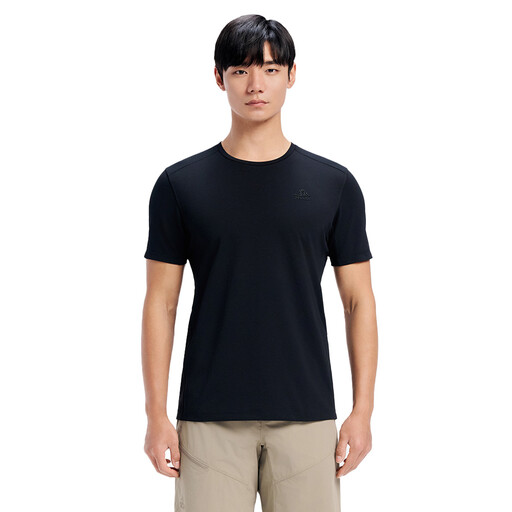
Why this suits this profile: This round-neck model is designed for workouts, hiking, camping and hot days where moisture wicking really matters.
The product page clearly separates moisture wicking from the anti-odour treatment and details the care precautions: cold wash, no fabric softener or bleach.
Stretch polyester piqué knit, moisture wicking integrated into the yarn, and POLYGIENE treatment described by the manufacturer as antibacterial.
We’ve put together a comprehensive, regularly updated selection of products that meet these criteria and European safety standards.
No. It can help wick away moisture and make the sensation more comfortable, but it doesn’t block your body’s natural sweating mechanism. The fit, temperature and intensity of your activity also affect the result.
It all depends on how often you wear it, friction from a rucksack, how you wash it, and the drying temperature. By following the manufacturer’s recommendations, avoiding bleach and limiting high temperatures, you’ll better preserve the fabric and its treatments.
Yes, as long as you like the texture and fit. It’s particularly practical for commuting, sport and travel thanks to its generally quick drying. For relaxed urban wear, a blend or cotton jersey can offer a different feel, sometimes more pleasant depending on your preferences.