
Livraison le jour même ou le lendemain

Qualité garantie

Débloquez vos offres de bienvenue: Livraison GRATUITE | Jusqu'à -80 % | 30 jours d'essai gratuits à JoyPlus
Téléchargez l'application
Between coming home, broken nights, returning to work and getting out and about, breastfeeding products need to be practical, hygienic and suited to your lifestyle. Yet some purchases can disappoint after just a few uses. Not because they’re unusable, but because they don’t suit a mother’s daily routine or the amount of milk she expresses.
A discreet breast pump isn’t necessarily comfortable to use several times a day. The size of the breast shield, how flexible its edge is, the weight of the collection cup and the ability to adjust the suction all affect comfort. A poorly fitting breast shield can feel restrictive and make expressing less effective or less comfortable.
An electric or hands-free breast pump has several parts that come into contact with milk: the breast shield, valve, membrane, collection cup and, sometimes, tubing. If it’s complicated to assemble or the parts are difficult to dry, your routine can quickly become a chore. Check the cleaning instructions, whether the parts are dishwasher-safe and which components must never be submerged, such as the motor unit.
Breast milk storage bags aren’t just about the price per bag. The quality of the seal, volume markings, capacity, ability to freeze them flat and space for writing information all matter day to day. Follow the fill line and the manufacturer’s guidance for refrigerating, freezing and defrosting milk.
For occasional use or if you’re on a tight budget, a manual breast pump can be ideal at home, as a back-up to an electric model or when you’re out and about. Look for a model with an ergonomic handle and a breast shield that fits properly.
For regular use, an electric breast pump generally offers more settings. Hands-free models fit inside your bra and run on a battery, but it’s worth checking their weight, battery life, noise level and how securely they stay in place before you buy.
Choose parts that come into contact with milk made from materials suitable for food contact, with a clear statement that they’re BPA-free. The instructions should explain how to clean the parts, whether sterilisation is needed and how often silicone components should be replaced.
Silicone nipple shields also need to be the right size. A 20 mm model and a 24 mm model won’t necessarily suit the same person. If you experience ongoing pain or irritation, stop using them and ask a healthcare professional for advice.
When choosing storage bags, look for a double seal, a stable base or the ability to freeze them flat, as well as a space to write the date and quantity. Never fill a bag beyond its capacity: milk expands as it freezes. Don’t heat bags in the microwave or put them in boiling water. Follow the manufacturer’s instructions and check the milk’s temperature before feeding your baby.
A breast milk storage kit may be useful if you need bottles, bags, an insulated pouch and a cleaning solution all in one set.
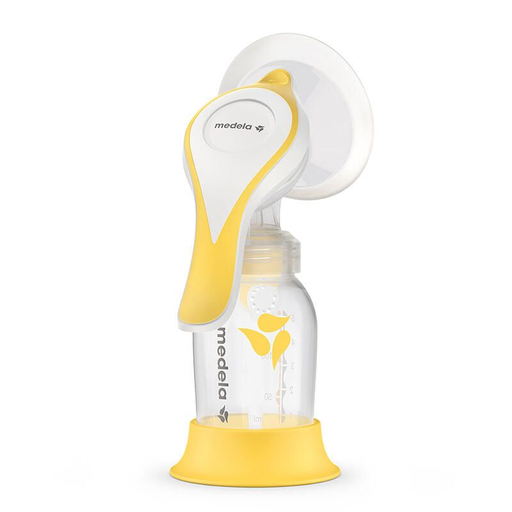
Why it suits this need : Its manual operation, compact design and 150 ml bottle make it a good choice for occasional use or when you’re out and about.
There’s no need to invest in an electric pump if you only need one occasionally. It comes apart easily for cleaning, and the parts that come into contact with milk are listed as BPA-free.
Pivoting handle, quiet operation and a 24 mm PersonalFit Flex breast shield.
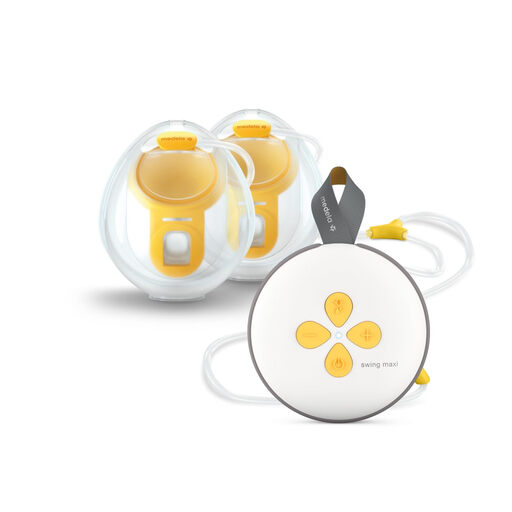
Why it suits this need : Its double-pump design and built-in collection cups are ideal for mothers who want to express milk while keeping their hands free.
The two breast shield sizes included make it less likely you’ll settle for a one-size-fits-all option without checking the fit. The transparent collection cups also make it easier to check positioning and see how much milk you’ve expressed.
Rechargeable battery, four-button control and parts that come into contact with milk are dishwasher-safe, according to the instructions.
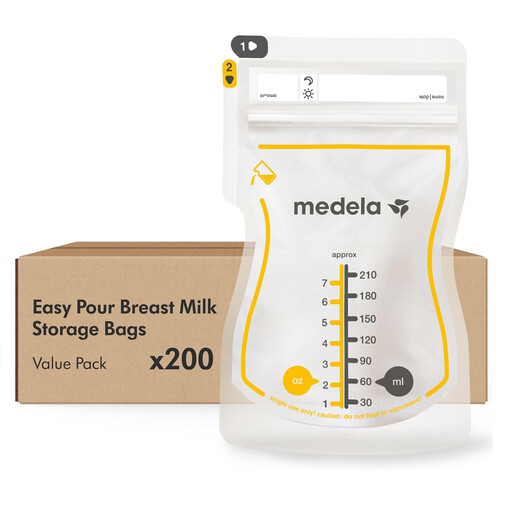
Why it suits this need : This pack of 100 210 ml bags is a good choice for mothers who regularly build up a supply in the fridge or freezer.
The double seal, flat-freezing design and labelling area help tackle common problems with leaks, storage and keeping track of your milk. These bags are for single use only.
Double-opening spout, double zip seal and BPA-, BPS- and phthalate-free LDPE material; sanitisation is recommended before use.
Disposable breast pads can come in handy at work or when travelling, especially if they’re individually wrapped and secured with an adhesive strip. Change them regularly and stop using them if irritation occurs.
A nipple cream should have a clear list of ingredients and precise instructions for use. MEDELA Purelan is lanolin-based and should be used according to its instructions. Silicone nipple shields come in several sizes: the 20 mm and 24 mm Medela Contact models let you compare sizes and find the right fit, rather than assuming one size suits everyone.
A 5 ml colostrum collector may be more suitable than a standard bottle for collecting small amounts of colostrum. Clean it according to the instructions, check the silicone before each use and ask a healthcare professional for advice on collecting and storing colostrum.
We’ve put together a comprehensive, regularly updated list of products that meet these demanding selection criteria and European safety regulations.
A hands-free electric breast pump can make expressing at the office or while travelling easier. Check its battery life, noise level, how securely it fits in your bra and how easy it is to clean. For occasional use, a manual breast pump can help keep costs down and reduce the number of electronic parts.
Storage time depends on the temperature, container, hygiene and the guidance you follow. Check official recommendations and ask the healthcare professional supporting you for advice. Always write the date and time on the bags, don’t exceed their maximum capacity and defrost the milk gradually. Don’t use a damaged or poorly sealed bag.
Disposable bags are designed for single use only. Don’t wash or reuse them, even if they look undamaged. To reduce waste, you could use reusable containers suitable for food contact, taking into account how they need to be cleaned and whether they’re compatible with your breast pump.