Families putting together a weekend breakfast
With toast, you can choose the base and the topping separately. A biscuit can also be part of breakfast without needing to be the main event.


If you want a base to add your own toppings to, start with a slice of toast, a crispbread or a rusk whose ingredients and sugar content suit you, then choose the topping separately. A reduced-sugar biscuit is more suited to those times when you want a ready-to-serve portion. The claim about reduced sugar is no substitute for checking the nutritional information, ingredients and allergens. To round off your breakfast, Santé publique France suggests pairing a cereal product with a whole piece of fruit, a dairy product and a drink that is low in sugar.
With toast, you can choose the base and the topping separately. A biscuit can also be part of breakfast without needing to be the main event.
Individual packs make serving easier. To work out how much you’re eating, though, compare the portion’s weight with the ‘of which sugars’ figure, rather than relying solely on the claim on the front of the pack.
Available information shows that biscuit recipes can contain different ingredients and allergens, depending on the product. So always check the ingredients list and allergen information on the pack you choose.
First, compare products intended for the same purpose: you won’t choose a base for toppings in quite the same way as a portioned biscuit.
| What matters | What to check | Who is it for? |
|---|---|---|
| Sugar content | The ‘of which sugars’ figure per 100 g and the amount in the portion you’ll eat; plus the topping you plan to use on toast. | If I’m trying to limit sugar at breakfast, I want to know how much I’ll actually eat rather than relying on a comparative claim. Around 40% of consumers put this need first. |
| What’s in the meal | The type of cereal used, the fibre listed and what you’ll serve alongside the cereal product. | If I don’t want the biscuit to make up the whole meal, I’d rather choose a cereal base and plan the rest separately. This is the top priority for around 30% of consumers. |
| Ease of serving | The pack format, number of portions and weight of each portion. | If I want to get breakfast on the table quickly, a ready-to-eat product or one that’s easy to portion matters more to me. Around 20% of consumers prioritise convenience above all else. |
| Recipe suitability | The ingredients list and allergens declared on the exact product packaging. | If an ingredient could be a problem at the table, I need to be able to check the recipe before serving, whatever the sugar claim says. This check is the top priority for around 10% of consumers. |
‘Reduced sugar’ means that a product has less sugar than a reference product; it doesn’t mean the biscuit contains no sugar at all. So it can be difficult to compare two packs with different claims by looking only at the front.
For products intended for the same purpose, compare the ‘of which sugars’ figure per 100 g, then work out how much that means for the portion you plan to serve.
The claim ‘no added sugar’ on the toast itself tells you nothing about the jam, spread or any other topping you add afterwards.
Choose your base and topping together, and think about the whole meal rather than relying on a single claim on the pack.
‘Wholegrain’, ‘organic’ and ‘reduced sugar’ don’t tell you everything about a recipe’s ingredients. Allergens and ‘may contain’ statements vary between the products for which information is available.
Check the ingredients list and allergen information on the pack you’re serving, especially if you’re switching recipe or pack format.
These brands offer different kinds of toast and biscuits. Check the details for each individual product.
Auchan positions this range of biscuits and bars around reduced sugar content.
The range includes oat, seed and hazelnut biscuits described as reduced in sugar.
Carrefour’s range includes Gerblé biscuits labelled ‘no added sugar’ as well as breakfast biscuits.
Carrefour’s breakfast range includes toast, rusks and crispbreads.
Carrefour and Auchan stock Wasa crispbreads, including rye and wholegrain varieties.
A wholegrain base to top yourself and a ready-to-serve oat biscuit suit two different ways of putting together breakfast. When comparing them, take any toppings into account, along with the portion you eat and the information on each pack.
 Image unavailable
This format is a good choice if you’d like a base you can top yourself. The ‘no added sugar’ claim doesn’t tell you the total sugar content or what you add on top. Check the ‘of which sugars’ figure and allergens on the pack before serving.
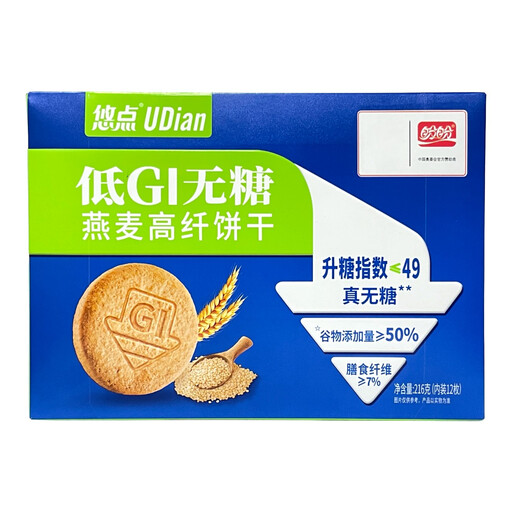 Image unavailable
This biscuit is better suited to those times when you want something ready to serve. The nutrition claims in its name aren’t enough to compare it with toast or another biscuit. Check the ‘of which sugars’ figure, ingredients, sweeteners and allergens on the pack, then consider the portion you’ll eat.
No. The European Union’s regulation on nutrition claims treats ‘reduced sugar’ as a comparison, not as a claim that a product contains no sugar. To choose between comparable biscuits, check the ‘of which sugars’ figure per 100 g and the amount in the portion you’ll serve.
No. Anses points out that ingredients can contain naturally occurring sugars even when a product carries this claim. Check the ‘of which sugars’ figure and the ingredients list for the base, and remember to take the topping into account, too.
Choose a base and topping to suit your preferences, then plan the rest of the meal separately. Among its breakfast suggestions, Santé publique France recommends a cereal product such as wholemeal bread or low-sugar cereals, a whole piece of fruit, a dairy product and a drink that is low in sugar.
Check the ingredients, declared allergens and any ‘may contain’ statements on the packaging for the exact product. Available information shows that biscuit recipes can differ in these respects; a claim about sugar doesn’t tell you what’s in the recipe.