People hosting breakfast
If you regularly serve several people, the amount you have available matters more than it would for an occasional breakfast. Carrefour and E.Leclerc, for example, include 750 g and 1 kg jars in their ranges.


For regular breakfasts with several people, a 750 g or 1 kg jar may provide the quantity you need; for occasional use, a smaller size may be enough. Whatever the size, compare the sugar and fat content per 100 g, then check the ingredients and allergens on the jar you choose. An organic or palm oil-free label doesn’t replace these checks.
If you regularly serve several people, the amount you have available matters more than it would for an occasional breakfast. Carrefour and E.Leclerc, for example, include 750 g and 1 kg jars in their ranges.
You may prefer a smaller jar so you can first compare the sugar content per 100 g. The French Directorate-General for Competition Policy, Consumer Affairs and Fraud Control (DGCCRF) notes that this information is included in the nutrition declaration.
Before serving guests, check the ingredients in the jar you’ve chosen, particularly for nuts, milk and any ‘may contain traces’ warnings. You can also look for an organic or palm oil-free recipe without assuming it has any other particular qualities.
First work out how much you’re likely to use, then compare recipes on the same per-100 g basis and read the allergen information.
| Criterion | What to check | Who it matters to |
|---|---|---|
| Quantity | Net weight of the jar and how much you expect to use over several breakfasts. | When I regularly have several people round, I want enough spread without choosing a size that’s far more than I need. Around 36% of consumers would give this quantity priority. |
| Sugar | Sugars and fat per 100 g in the nutrition information; the exact recipe if reduced sugar is claimed. | I might be happy with a smaller jar if my main priority is comparing the sugar content of two recipes. Around 29% of consumers would have this priority. |
| Allergens and ingredients | Ingredients list and allergen warnings, including any ‘may contain traces’ statements, on the jar being served. | Before welcoming guests with an allergy, I need to know exactly what the product contains. Around 21% of consumers would put this check first. |
| Recipe preferences | Check that the specific product and variant actually carries an organic or palm oil-free label, or states its hazelnut content. | If I’m looking for a particular recipe feature, I don’t want to assume it from the brand or size alone. Around 14% of consumers would make this their priority. |
When you’re serving spread to several people, the useful thing to look at is the quantity, not the name of the packaging. Carrefour and E.Leclerc, for example, offer jars of 750 g or 1 kg.
Compare the net weight of the available containers and choose one to suit how often you share breakfast.
The French Ministry of the Economy says that displaying Nutri-Score is optional in France. Its absence doesn’t mean you can skip checking the nutrition information.
Compare the values per 100 g and the ingredients list, whether or not the logo appears on the jar.
A claim about one recipe or size doesn’t necessarily describe another jar from the same brand. Carrefour’s 750 g Jardin Bio étic jar and Auchan’s reduced-sugar recipe are separate products.
Check the name, weight and ingredients of the specific variant you’re thinking of serving.
The product information from E.Leclerc and Auchan shows that ingredients and ‘may contain traces’ warnings vary between chocolate and hazelnut recipes.
Read the label on the jar you’re actually using before offering it to someone with an allergy.
Carrefour offers a 1 kg jar of Nutella hazelnut and cocoa spread.
E.Leclerc offers a 1 kg jar of Nustikao hazelnut spread.
Carrefour offers a 750 g organic jar, while Auchan separately offers a recipe described as reduced in sugar.
Carrefour offers a 400 g jar of Poulain chocolate and hazelnut spread, made without palm oil.
Auchan offers a Nestlé Dessert chocolate and hazelnut spread made without palm oil.
These jars come in a range of sizes for breakfast, from 400 g to containers weighing several kilos. First choose a quantity that suits how you’ll use it, then check the recipe and allergens for each product.
 Image unavailable
A size to consider if you regularly serve spread to several people.
Net weight: 1 kg. Check the nutrition information and allergens on the jar before serving.
 Image unavailable
This container is best suited to frequent use or when you expect to need a large quantity.
Net weight: 3 kg, more than the 750 g or 1 kg jars you might consider for regular breakfasts.
 Image unavailable
Compare this size with the 1 kg jar if you’re having several people round but don’t expect to need quite as much.
Net weight: 750 g. Check the ingredients and allergens on the jar you choose.
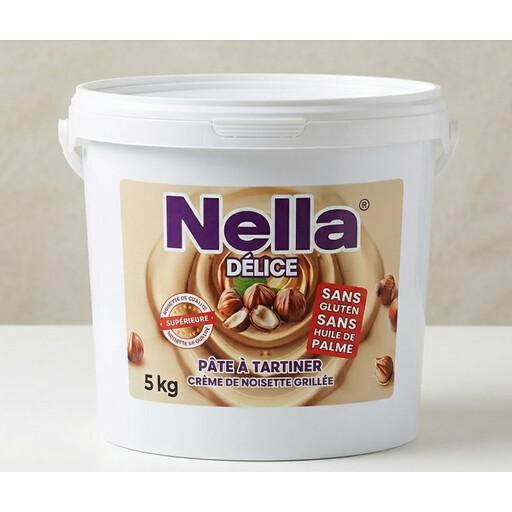 Image unavailable
This extra-large container is intended for a much greater need than an occasional breakfast.
Net weight: 5 kg. If you’re specifically looking for a chocolate and hazelnut spread, check the ingredients of this product before choosing it.
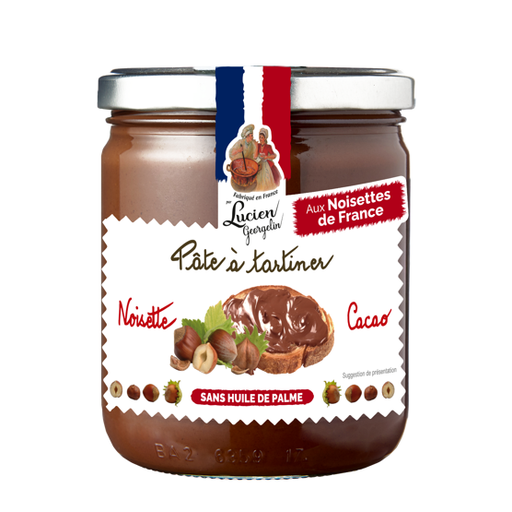 Image unavailable
This smaller jar may suit you if you’d rather have a moderate amount than serve several people at a large gathering.
Net weight: 400 g. Read the label to check the ingredients and allergen warnings.
No. The French Ministry of the Economy says Nutri-Score is optional. To compare two pre-packed spreads, check their nutrition declarations per 100 g, particularly the sugar and fat content.
Read the ingredients list and any ‘may contain traces’ warnings on each jar. The recipes offered by E.Leclerc and Auchan, for example, mention hazelnuts or milk, and some list other possible allergens. An organic or palm oil-free label doesn’t answer this question.
Follow the instructions on the jar you buy. For its 630 g Nutella product, Joybuy recommends storing it in a cool, dry place and not refrigerating it; don’t assume the same advice applies to another recipe.