
Livraison le jour même ou le lendemain

Qualité garantie

Débloquez vos offres de bienvenue: Livraison GRATUITE | Jusqu'à -80 % | 30 jours d'essai gratuits à JoyPlus
Téléchargez l'application
Breakfast oat cereals meet a very simple need: eating quickly before lessons, work or a busy day. But with plain porridge oats, instant powder, fruit and nut porridge, and ready-to-eat Chinese cereals, packaging does not always make it easy to compare products.
Two pitfalls come up regularly. A recipe marketed as « oat-based » may contain only a limited amount of oats, supplemented with maize, wheat, soya, sugar or powdered flavourings. The total pack weight may also include separate sachets, such as glucose, which are not part of the main preparation. Finally, a convenient format never replaces the need to check allergens, sugar content and preparation instructions.
The order of the ingredients provides an initial indication: they are generally listed by weight, from highest to lowest. When the quantitative declaration of ingredients is available, it gives a much clearer idea of the recipe.
For comparison:
If you are looking for a neutral-tasting oat porridge, plain oats are the most versatile option: add your own milk, plant-based drink, fruit or nuts. Instant preparations save time, but their ingredients are often more elaborate.
The label « reduced sugar content » is worth checking against the nutritional table. Family Whole Reduced Sugar Milk Oat Flakes contain 17 g of sugars per 100 g. They also contain 5 % whole milk powder and 30 % oat flakes.
Conversely, some product details state 0 g of sugars per 100 g. This does not necessarily mean that the product will have no sweet notes, or that the supplied glucose sachets need to be added. In this case, the glucose is packaged separately, with 138 g divided between two 69 g sachets. It is therefore better to treat it as an optional extra and choose how much to add yourself.
For a simpler recipe, plain oats contain 1,2 g of sugars per 100 g, 13 g of protein, 6,1 g of fibre and less than 0,01 g of salt, according to the product details.
Before ordering, check for the possible presence of gluten, milk, soya, peanuts, tree nuts and sesame. Depending on the manufacturing conditions, oats may contain gluten or traces of other cereals. Recipes containing nuts or peanuts require particular care for people with allergies.
The packaging also affects convenience:
Also remember to check the storage instructions and the date shown on the packaging. Once opened, a resealable bag or airtight container helps preserve a good texture and pleasant flavours.
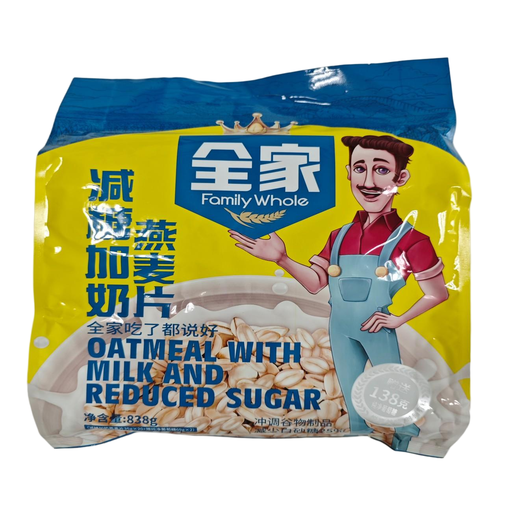
Why this choice suits this profile : The 20 individual 35 g sachets are easy to portion and can be prepared with around 175 ml of boiling water, without any special equipment.
The oat content is clearly stated as 30 %, and the glucose is supplied separately, so you do not have to add it every time.
30 % oat flakes, 5 % whole milk powder, 20 individual sachets and a detailed nutritional table.
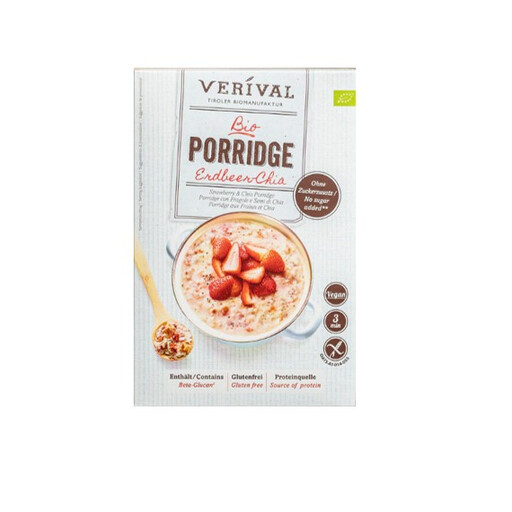
Why this choice suits this profile : This recipe combines a base of wholegrain oat flakes with fruit, almonds, chia and linseed to create a variety of textures in every spoonful.
The product details state that it contains 74 % wholegrain oat flakes and provide details of the ingredients from controlled organic farming.
11 g of fibre, 12 g of protein and 0,02 g of salt per 100 g, according to the nutritional information provided.
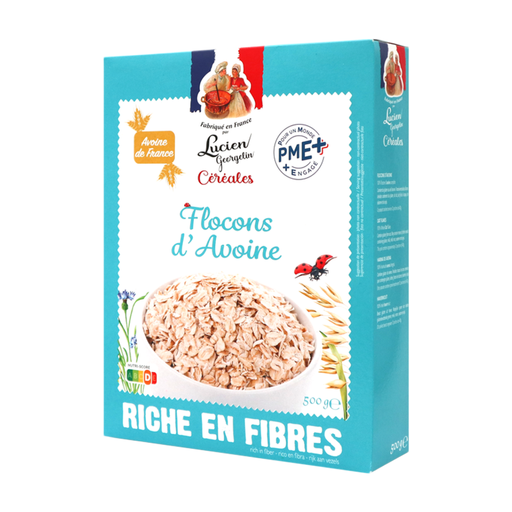
Why this choice suits this profile : The 500 g bag is ideal for households that regularly prepare porridge in a saucepan, in the microwave or with a plant-based drink.
The ingredients list is particularly short and states 100 % wholegrain oat flakes, with no sugar or hidden cereal blend.
100 % wholegrain oats, 6,1 g of fibre, 13 g of protein and a salt content of less than 0,01 g per 100 g.
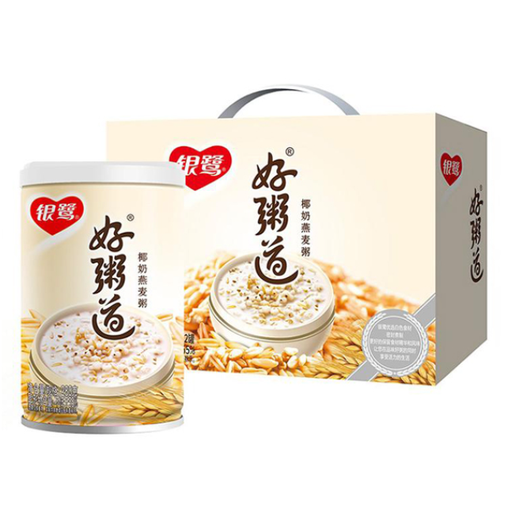
Why this choice suits this profile : The 12 individual boxes can be eaten at room temperature or reheated, making them a convenient option for the office, while travelling or for keeping a family supply on hand.
The portion is pre-packed and the instructions specify both options: enjoy it cold or eat it hot. The listed allergens include cereals containing gluten, peanuts and milk.
280 g format, oat content stated as 20 %, coconut syrup at 9 %, and storage in a cool, dry place before opening.
We have put together a complete, real-time updated selection of products that meet these demanding criteria and European safety requirements.
With instant oat powder in a sachet, pour the contents into a bowl, add the amount of water stated on the packaging, then stir. If the ingredients and allergen information allow, you can replace some of the water with milk or a plant-based drink.
Plain oats take a few extra minutes, but give you complete freedom over the texture and toppings. Add pieces of apple, a banana, a few nuts or seeds after cooking to create a fruit and nut porridge. With a coconut-based drink, you can make a coconut milk porridge without having to choose a recipe that is already sweetened.
If the preparation contains milk powder, soya, peanuts or tree nuts, use separate utensils if someone in the household has an allergy and always check the labelling on the pack you receive.
Yes, they can easily form part of a varied diet. Simply alternate between different preparations, adjust portions to suit your needs and keep an eye on the ingredients, particularly sugars, salt and additions such as glucose. Requirements vary according to age, physical activity and eating habits.
It depends on the product and the date shown on the packaging. Once opened, reseal the pack carefully and store it in a cool, dry place. A reconstituted preparation or an opened box should be consumed in accordance with the manufacturer’s recommendations.
The price per portion varies depending on the number of sachets, the amount actually used to prepare each serving and whether an additional separately packaged ingredient is included. To compare offers, divide the total price by the stated number of portions, then check whether the glucose or other additions are included in the displayed weight.