Anyone looking for a sweet breakfast without a stimulant
You want a fruity or herbal drink to go with pastries, cereal or toast, without accidentally choosing a blend that contains tea or maté.


To go with a sweet breakfast, choose a blend based on the flavours you enjoy and whether or not you want caffeine. The words ‘wellness infusion’ alone are not enough to tell you what’s in it. Check the ingredients, especially for liquorice, and choose between teabags and loose tea to suit how you’ll use it. If you’d like to store an herbal infusion in a jar, check its packaging and storage instructions first.
You want a fruity or herbal drink to go with pastries, cereal or toast, without accidentally choosing a blend that contains tea or maté.
You read the ingredients, particularly to spot liquorice, and know that a blend’s name is not proof of a health effect. Anses advises caution with high and repeated consumption of liquorice.
You’re deciding between easy-to-measure teabags and an herbal infusion to decant into a reusable container. Either way, the packaging and storage instructions matter more than simply seeing the word ‘jar’.
For a sweet breakfast, start with the drink you want to make, then check the blend before choosing a format. Teabags and loose tea suit different storage needs; neither guarantees a particular ingredient list.
| What to consider | What to check | Who it matters to |
|---|---|---|
| Flavour and caffeine | Read the ingredients to distinguish herbal blends and rooibos from products containing tea, matcha, maté or guarana. If you want to avoid caffeine, look for a claim that applies to the specific blend you’ve chosen. | With toast or cereal, I first look for a flavour I enjoy without accidentally consuming caffeine; around 29% of consumers make this their priority. |
| Ingredients and claims | Compare the ingredient lists and any allergens shown. Don’t take words such as ‘wellness’ or ‘detox’ as proof that a product is effective. | When two blends have similar names, I want to know what each contains rather than relying on how it’s presented; around 36% of consumers prioritise checking the ingredients. |
| Botanicals and regular use | Look out in particular for liquorice, also known as ‘Glycyrrhiza glabra’, and take into account any other liquorice products you consume. | If I drink the same infusion regularly, I want to check the precautions for its ingredients; around 21% of consumers prioritise this check. |
| Format and storage | Compare the net weight or number of teabags, then follow the storage instructions on the packaging, including after opening. | To organise my cupboard, I want to choose between individually portioned teabags and an infusion I can decant; around 14% of consumers make this their priority. |
Auchan’s ranges include herbal blends as well as products containing tea or maté. Anses reminds consumers that caffeine can disrupt sleep and that its effects vary from person to person.
To avoid caffeine, check the ingredients and look for a claim that applies specifically to the product you’re buying, rather than relying on the name of the section.
According to Anses, high and repeated consumption of liquorice can lead to problems including hypokalaemia and high blood pressure. Liquorice may be included in a blend even if it’s not mentioned in its name.
Check whether it’s listed in the ingredients and take your other sources of liquorice into account. If any specific precautions apply to you, ask a healthcare professional for advice.
These formats don’t meet the same needs: using a jar at home doesn’t tell you how the infusion is sold. A jar of instant coffee, on the other hand, contains a different type of drink.
First choose between teabags and an infusion to decant. If you use a jar at home, keep the information from the original packaging and follow the manufacturer’s storage recommendations, as reiterated by the DGCCRF.
These terms are no substitute for reading the ingredients and aren’t proof of a medical benefit. The DGCCRF explains that nutrition and health claims are subject to conditions of use.
Compare the product’s verifiable features. If you have a question about a symptom or treatment, speak to a healthcare professional rather than choosing an infusion based on its name alone.
These brands and retailers offer points of comparison for blends and packaging, but the details may vary across their product ranges.
Lipton offers a range of herbal infusions in teabags. A peppermint blend featured by Joybuy contains 100 teabags.
Auchan’s herbal infusion range includes several categories, as well as Auchan Bio products in teabags.
Carrefour’s wellness infusion range includes herbal teas in different weights. This may be worth exploring if you’re considering storing one in a jar at home.
These teabag options let you compare fruity flavours, a herbal blend and cold-brew infusions for breakfast. Choose based on the temperature you’d like your drink to be, and check the ingredients in each blend, especially if you’re monitoring your intake of liquorice or caffeine.
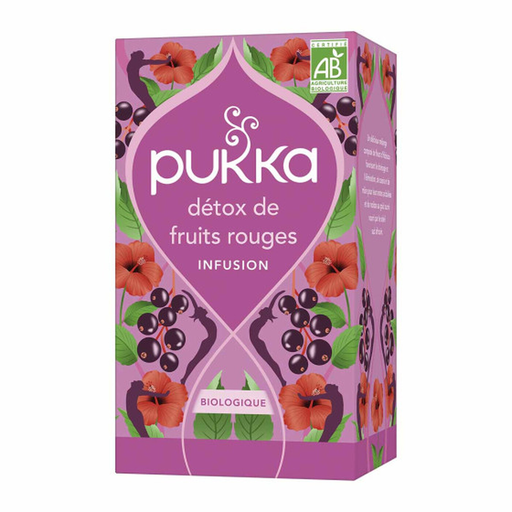 Image unavailable
Worth considering if you prefer fruity notes with your sweet breakfast; flavour is a matter of personal preference.
34 g pack. The word ‘Detox’ in the product name isn’t proof of a health effect.
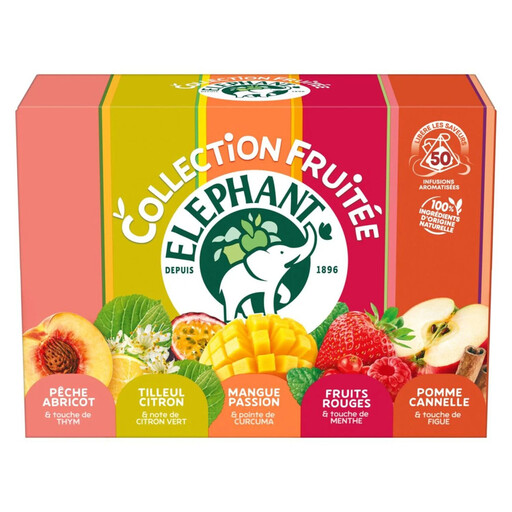 Image unavailable
This box is a good choice if you’d like to try different blends at breakfast rather than having the same one every time.
It contains 50 teabags and has a stated weight of 89 g. The Mango Passion blend contains liquorice, so check the ingredients if you plan to drink it regularly.
 Image unavailable
Consider this if you prefer a herbal blend to fruity notes at breakfast.
40 g pack. It contains liquorice, so check the ingredients before drinking it regularly. The word ‘Digestion’ in the name isn’t proof of a medical effect.
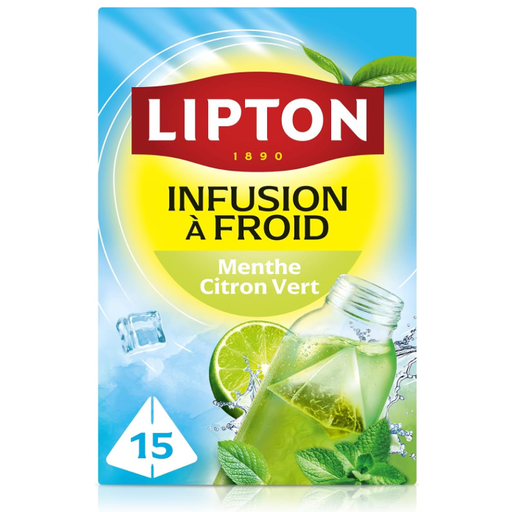 Image unavailable
This product is for anyone who’d like a cold drink with mint and lime notes at breakfast instead of a hot cup.
Box of 15 teabags for cold infusion. Follow the preparation and storage instructions on the packaging you buy.
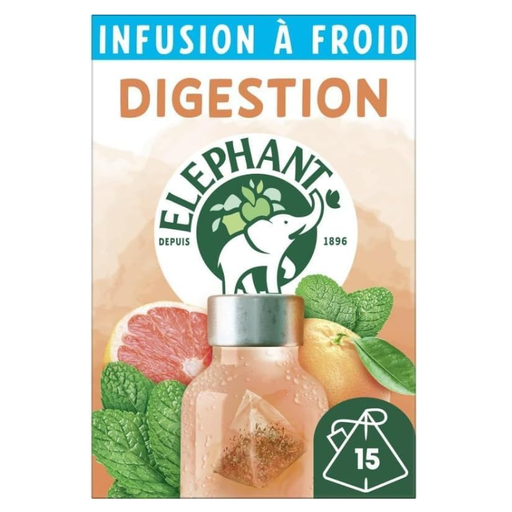 Image unavailable
Worth considering if a cold drink with mint and grapefruit notes suits your breakfast; it’s quite different from a fruity infusion served hot.
Box of 15 teabags for cold brewing. The word ‘Digestion’ in the name isn’t proof of a medical benefit; check the packaging for instructions too.
Yes. A blend sold in an herbal infusion section may contain tea, matcha or maté. To choose a caffeine-free drink, read the ingredients and look for a claim that applies to the specific product. Anses notes that caffeine can affect sleep.
No. If an infusion contains liquorice, the main things to consider are how often you drink it and any precautions that apply to you. Anses highlights the risks of high and repeated consumption, with particular caution advised for some people. If your circumstances call for it, ask a healthcare professional for advice.
Check the product name, ingredient list, any highlighted allergens, quantity, date and storage instructions that apply to the product. For prepacked food sold in France, the DGCCRF explains the labelling rules. The ingredients are the most direct way to compare two blends with similar names.
Yes, as long as the container is suitable for the product and you continue to follow the storage instructions on its original packaging. Keep the useful information, including the ingredients, batch number and best-before date. The DGCCRF recommends following the manufacturer’s instructions, including after opening where these are provided.
No. These words alone don’t prove a medical benefit. The DGCCRF explains that nutrition and health claims are regulated and subject to conditions. When choosing a breakfast drink, check its ingredients and preparation method rather than assuming the blend’s name means it will have a particular effect.