For an easy way to give everyone their own portion, choose mini bars or individually wrapped mini chocolates. A standard bar is easy to break up and share, while a large bag of bite-sized chocolates is better suited to serving a crowd. Whichever you choose, check the quantity, nutritional information and allergens for the specific product.
Who are these formats for?
For serving one piece per person
For breakfast with a group, mini bars and individually wrapped mini chocolates make it easy to hand out separate portions without breaking up a bar. Carrefour France lists, for example, a bag of 8 Milka bars and a box of 24 Côte d'Or mini chocolates.
For sharing from a larger pack
A large bag of bite-sized chocolates can be a good choice when several people will help themselves or you plan to serve chocolate on more than one occasion. Lindt France describes its 1 kg bag of LINDOR Milk chocolates as a sharing format. However, the total weight doesn’t tell you how much each person will have.
For comparing labels
If sugars, fats or particular ingredients matter to you, compare nutritional information on the same basis and check the allergen information for each product. The pack format doesn’t replace these checks.
What should you check before choosing?
First, decide whether you want individually wrapped portions, a bar to break up or a bag for everyone to help themselves from. Then compare the labels of products in your chosen format.
| What to consider |
What to check |
Who it’s for |
| Portions to hand out |
Number of pieces and net weight; check whether they’re individually wrapped if that matters to you. |
At a group breakfast, handing everyone one piece without breaking up a bar makes serving simpler. Around 33% of consumers would prioritise portioning in this way. |
| Total quantity |
Net weight and the number of portions you actually plan to serve. |
If you’re catering for a larger group or serving chocolate more than once, the quantity available may matter more than how it’s divided into individual pieces. Around 25% of consumers would prioritise quantity. |
| Ingredients and label |
Nutritional information per 100 g, ingredients and allergen information for the exact product. |
If you need to avoid certain ingredients, or sugars and fats influence your choice, the pack format alone won’t help you compare products. Around 25% of consumers would make reading the label their top priority. |
| Choice of flavours |
Whether the pack contains different varieties and the ingredients in each one. |
For a family get-together, offering different flavours or shapes may matter more than serving identical portions. Around 17% of consumers would prioritise variety. |
Common misconceptions to avoid
-
Assuming every pack must display the Nutri-Score
According to the French public health agency, displaying the Nutri-Score is voluntary. If it’s not shown, you still need to check the ingredients and nutritional information.
Compare the values per 100 g across relevant products, then consider how much you plan to serve. Use the Nutri-Score as additional information when it’s displayed.
-
Thinking the ‘soda tax’ applies to chocolate
The contribution described by the French Directorate General of Public Finances applies to the non-alcoholic drinks covered by the scheme, not to chocolate bars or bite-sized chocolates.
To compare sugar content, check the nutritional information for the product you’ve chosen rather than relying on this tax.
-
Assuming a ‘sharing’ pack is suitable for everyone
Mini bars, individually wrapped mini chocolates and bite-sized chocolates can have different recipes. A format that’s easy to hand out doesn’t tell you which allergens are present.
Check the ingredients and allergen information for each product before serving it to anyone with an allergy or intolerance.
-
Choosing based on the bag’s weight alone
A high net weight tells you how much you’re buying, but not how much each person will be served. For example, Lindt France describes its 1 kg bag of LINDOR Milk chocolates as a sharing format.
Decide how much you plan to serve and compare the nutritional information against the amount each person will actually have.
Brands to consider by format
Milka
For mini bars: Carrefour France lists a bag of 8 Milka bars, weighing 200 g.
- The individually wrapped bars make it easy to plan one piece per person.
- Before serving, check the ingredients and allergens for the product on sale.
Côte d'Or
For mini dark chocolate portions: Carrefour France lists a box of 24 pieces, weighing 240 g.
- The number of pieces makes it easier to plan how much to serve to a group.
- The format doesn’t mean you can skip checking the ingredients and allergens.
Lindt
For bite-sized chocolates in a large bag: Lindt France describes LINDOR Milk 1 kg as a sharing format.
- The net weight helps you plan how much to buy for your group.
- Decide how much to serve and check the label for this variety. A bag of bite-sized chocolates isn’t portioned in the same way as a box of individually wrapped mini chocolates.
Nestlé
For a chocolate confectionery rather than a bar: Nestlé France also offers Smarties in a resealable bag.
- This packaging suits anyone looking for sweets to serve for people to help themselves.
- Chocolate-coated sweets aren’t mini bars, so check the label for the product you’ve chosen.
Joybuy products for different ways to share
This selection includes multipacks of bars, mini confectionery and a bag of chocolate-coated peanuts. Each suits a different way to share a sweet breakfast: decide whether you want individual portions to hand out or a pack everyone can help themselves from.
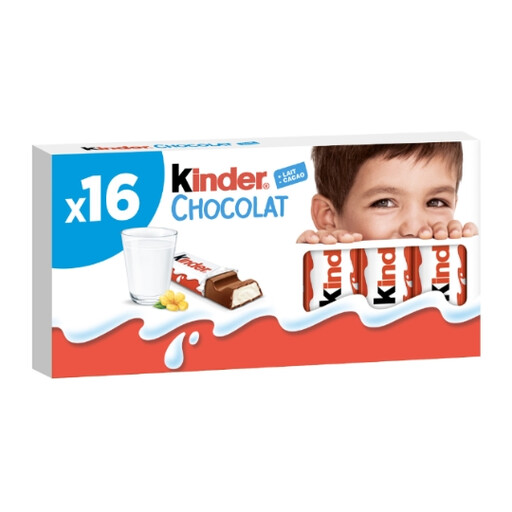 Image unavailable
Kinder Chocolate x16
A multipack of 16 bars to consider if you want to share the chocolate among several people. Check the ingredients and allergens for the product on sale before serving.
View on Joybuy
 Image unavailable
Toblerone Milk 3 × 50 g
Three separate bars for sharing or splitting between a few people. The pack contains 150 g; if saturated fat matters to you, check the value on the packaging.
View on Joybuy
 Image unavailable
Nestle KitKat Strawberry Short Cake, 9 pieces, 104,4 g
Nine pieces to consider if you’d like to serve a chocolate and wafer confectionery rather than a bar. Check the label for the product on sale for sugars, fats and allergens.
View on Joybuy
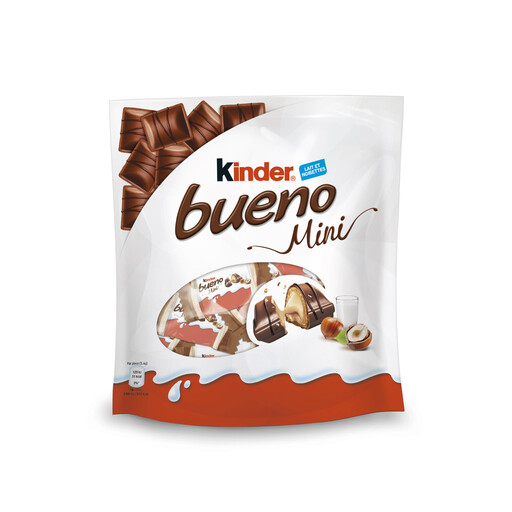 Image unavailable
Kinder Bueno Mini 108 g
A mini format to consider if you’d rather serve confectionery than break up a bar. The pack contains 108 g; check the number of pieces and the allergens on the product on sale to help plan how much to serve.
View on Joybuy
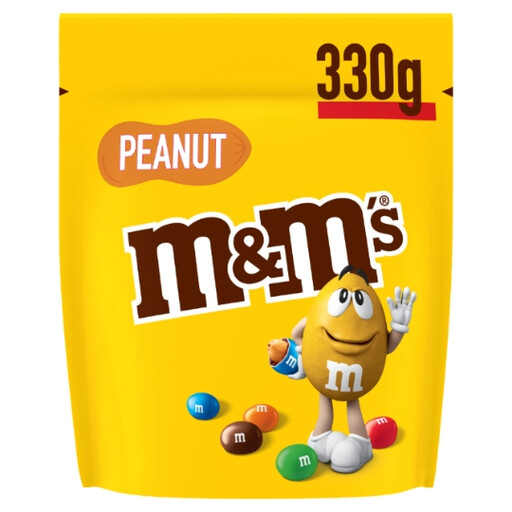 Image unavailable
M&M'S Peanut, 330 g
A bag of milk chocolate-coated peanuts for everyone to help themselves from, rather than individually wrapped chocolate portions. Check the allergens and, to compare nutritional information, use the values per 100 g and then consider how much you’ll actually serve.
View on Joybuy
Frequently asked questions
Does the ‘soda tax’ apply to chocolate bars and bags?
No. The contribution described by the French Directorate General of Public Finances applies to non-alcoholic drinks, not chocolate bars or bite-sized chocolates. If sugar content affects your choice, compare the values on the product labels.
Is the Nutri-Score compulsory on a bag of chocolate in France?
No. According to the French public health agency, displaying it is voluntary. The nutrition declaration and ingredients list are still the information to check when comparing prepacked products, whether or not a Nutri-Score is shown.
What should you check on the label before sharing chocolate?
Check the net quantity, ingredients, allergens and nutritional information in particular. The French Directorate-General for Competition Policy, Consumer Affairs and Fraud Control (DGCCRF) states that this information forms part of the labelling for prepacked food. To choose how much to serve, compare the values per 100 g and then work out what they mean for the portion you have in mind.
How should you store a large bag of chocolate after opening?
Follow the storage instructions on the pack you’ve bought. If you plan to serve it over several breakfasts, check these instructions before choosing a larger format: the bag’s weight alone doesn’t tell you how to store it after opening.


