
Livraison le jour même ou le lendemain

Qualité garantie

Débloquez vos offres de bienvenue: Livraison GRATUITE | Jusqu'à -80 % | 30 jours d'essai gratuits à JoyPlus
Téléchargez l'application
The breakfast cereal aisle is packed with very different recipes: wholegrain cereals, porridge oats, mueslis, organic granolas, chocolate cereals and individual portions. This variety gives you plenty of choice, but it also makes comparison tricky.
Two products with claims like "high in fibre" or "chocolate" can have very different ingredients. To avoid unpleasant surprises, it's better to look at the label rather than the packaging.
The presence of whole wheat or oats alone doesn't make a product balanced. A recipe can contain a decent amount of wholegrain cereals while also being loaded with sugar, glucose syrup, chocolate or fats.
So start by checking the ingredients list, which is ordered by descending weight. The earlier an ingredient appears, the more of it there is. If you're after a minimally processed cereal base, wholegrain cereals or porridge oats should be among the first ingredients.
Nutritional values are usually given per 100 g, but some brands mainly highlight a serving of 30 or 37.5 g. This presentation can make it seem like the product is low in sugar or calories.
To compare chocolate cereals, a muesli and porridge oats, always refer to the per 100 g column, then adjust the amount for your bowl. At home, the portion you actually serve is often more generous than the one on the packet.
Claims like "with vitamins", "source of fibre" or "honey recipe" highlight a specific feature of the product, not its overall composition. The nutritional claims permitted in the European Union do meet defined criteria, but they don't replace reading the label.
For families, also think about allergens: gluten, milk, soya, nuts, peanuts and sesame should all be checked before you buy.
High-fibre cereals can help add variety to your breakfast. As a guide, BJORG porridge oats have 11 g of fibre per 100 g, while Weetabix cereals contain 10 g of fibre per 100 g according to the information provided.
Porridge oats are especially versatile: you can make porridge with them, add them to yoghurt or use them as a base for a homemade muesli. Single-ingredient recipes, like Quaker Oats 500 g or BJORG porridge oats, let you easily customise the flavour with fruit, nuts or unsweetened cocoa.
If you're looking for cereals with no added sugar, check both the ingredients list and the "of which sugars" line. The absence of added sugar doesn't guarantee a low overall carbohydrate content, especially when the product contains dried fruit or other naturally sweet ingredients.
On the other hand, indulgent recipes can absolutely have a place in a varied diet. Kellogg's Frosties contain 37 g of sugar per 100 g, compared with 22.5 g for Nesquik cereals. These figures let you make an informed choice, particularly when it comes to children's cereals.
A large bag is handy for everyday use, provided you seal it properly to keep the cereal crunchy. Individual sachets, meanwhile, are easy to slip into a bag for the office or when you're on the go, and they can help you control your portions.
Porridge products are usually made with hot water or milk. Some formats can also be prepared the night before with yoghurt, following the manufacturer's instructions. Finally, remember to check the best-before date, storage conditions and whether any allergens are present.
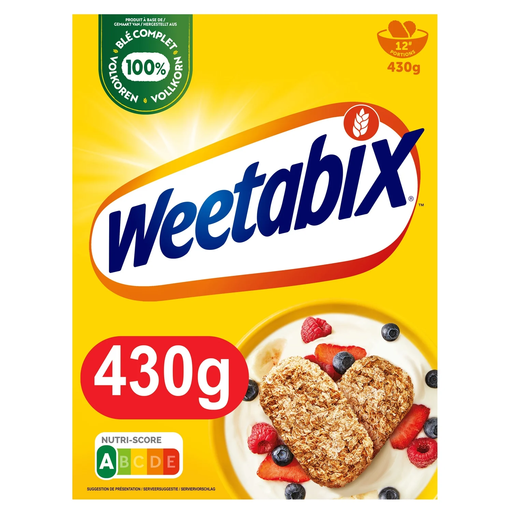
Why this choice suits this profile: Its recipe, made with 95% whole wheat, and its 430 g format are ideal for regular consumption. Simply prepare it with milk or yoghurt.
The sugar content is stated as 4.2 g per 100 g, making it easy to compare with sweeter recipes.
10 g of fibre and 12 g of protein per 100 g according to the product sheet. Contains gluten.
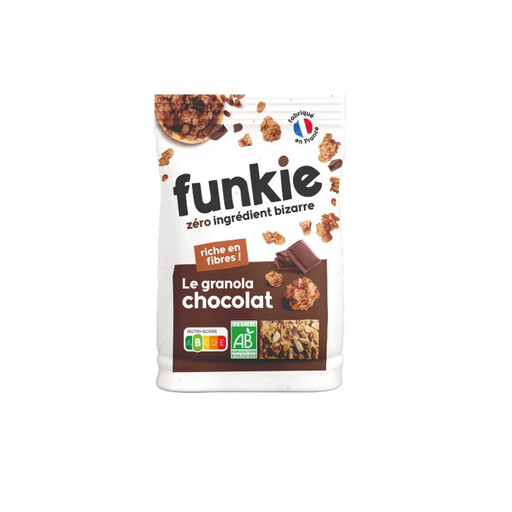
Why this choice suits this profile: This organic granola combines whole oats, spelt, sesame seeds, chickpeas and chocolate chips for a richer, more refined texture.
The organic claim is based on ingredients presented as organically farmed. The detailed ingredients list also lets you spot the presence of cane sugar and chocolate.
Organic product, 5% dark chocolate chips and 0.03 g of salt per 100 g. Contains gluten and sesame.
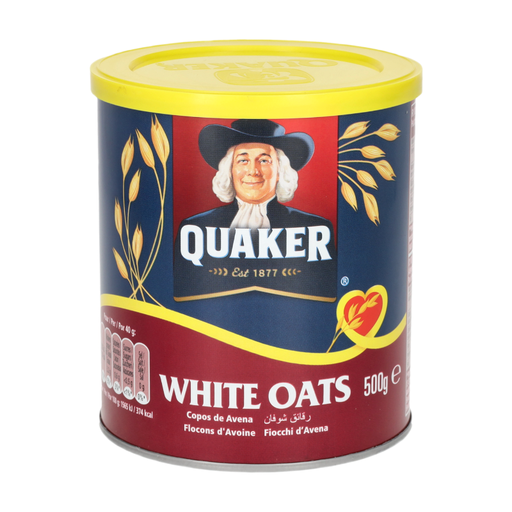
Why this choice suits this profile: Natural porridge oats can be used for porridge, baking, in a muesli or with yoghurt, without imposing a sweet flavour.
The ingredients list states 100% oats, with no added sugar, salt or flavourings according to the product sheet.
9 g of fibre and 11 g of protein per 100 g. A versatile product, but contains gluten from the oats.
We've put together a comprehensive, real-time updated list of products that meet these demanding selection criteria and European safety regulations.
Ready-to-eat formats, such as wholegrain cereal biscuits or mixes you just add milk to, require very little preparation. For a change, make overnight oats the night before with porridge oats, yoghurt and fruit. Always check the storage instructions after opening.
They can be part of a varied diet, but compare their sugar content, serving size and ingredients list. Chocolate or filled recipes are often higher in sugar than plain oats. Adding a piece of fruit and a dairy product also helps create a more balanced breakfast.
Always follow the date on the packaging first. After opening, seal the bag carefully or transfer the cereals to an airtight container, then store them in a cool, dry place. Products containing nuts, seeds or chocolate may need special care, depending on the manufacturer's instructions.