
Livraison le jour même ou le lendemain

Qualité garantie

Débloquez vos offres de bienvenue: Livraison GRATUITE | Jusqu'à -80 % | 30 jours d'essai gratuits à JoyPlus
Téléchargez l'application
The breakfast cereal aisle can be overwhelming. Between the ultra-colourful boxes targeting children, promises of vitality, and "healthy" claims, it's hard to know what to choose. The result: we often go home with a product that, despite its reassuring packaging, turns out to be a sugar bomb or a flavour disappointment. Before your next online purchase of breakfast cereals, let's review the most common traps to avoid.
Decoding these marketing tricks is the key to making a truly informed choice that suits your needs and those of your family.
To avoid being misled, simply focus on a few factual pieces of information found on every box. These indicators will give you a very clear idea of what you are about to eat.
The rule is simple: ingredients are listed in order of weight, from most to least present. For good whole grain cereals, look for terms like "whole wheat," "whole oats," or "whole grain rice" at the top of the list. If sugar (or one of its many derivatives like glucose syrup) appears in the top three ingredients, be wary.
This panel is your best ally for an objective comparison. Focus on the "per 100 g" column to compare products on a common basis, not on the often-fanciful suggested serving size. Here are some key benchmarks:
The AB (Agriculture Biologique) label or the European "Euro-leaf" logo guarantees that the agricultural ingredients come from organic farming methods. This means, among other things, no synthetic pesticides or chemical fertilisers. Choosing organic cereals is therefore a guarantee of the origin and cultivation method of the raw materials, but be aware that it does not guarantee a better nutritional profile. An organic cereal can be just as sugary as a conventional one; it is therefore crucial to always check the nutrition facts panel.
Every household has different needs. Here is a selection of products that cater to various profiles, all chosen based on the objective criteria we've just discussed.
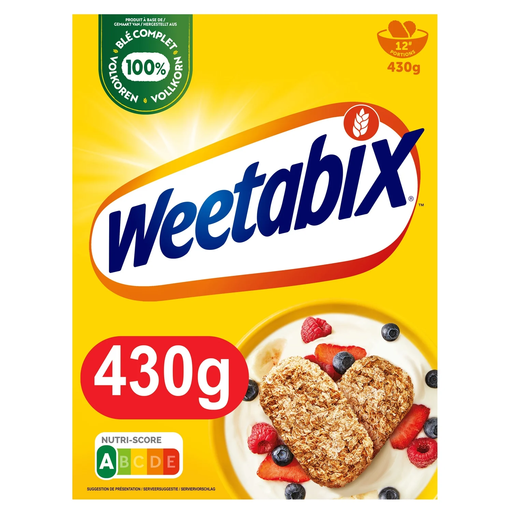
Why it's a great choice: Perfect for a filling and customisable breakfast. Its minimalist, whole-wheat-based composition gives you 100% control over added sugar (from fruit, honey, etc.) while ensuring a high fibre intake for lasting satiety.
It avoids the hidden sugar trap. With only 4.2g of sugars per 100g, it stands out as a neutral and healthy base, worlds away from cereals that flirt with 20g of sugar.
Ultra-simple recipe with 95% whole wheat. High in fibre (10g per 100g) and fortified with vitamins and iron.
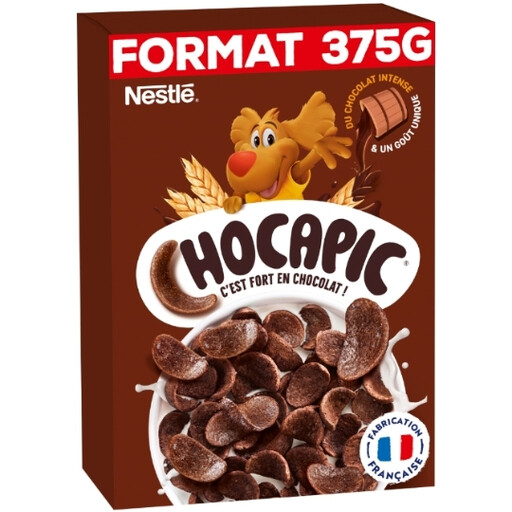
Why it's a good choice: A classic that has evolved over time. It delivers the great taste of **chocolate cereal** that kids love, while incorporating a significant amount of whole grains. An acceptable compromise for busy mornings.
It avoids the trap of kids' cereals with no nutritional value. By placing whole grains (35%) at the top of the list, it provides a much better fibre intake than its competitors made with refined flours.
Made in France and fortified with 7 vitamins, calcium, and iron. The chocolate flavour comes from cocoa powder, not artificial flavourings.
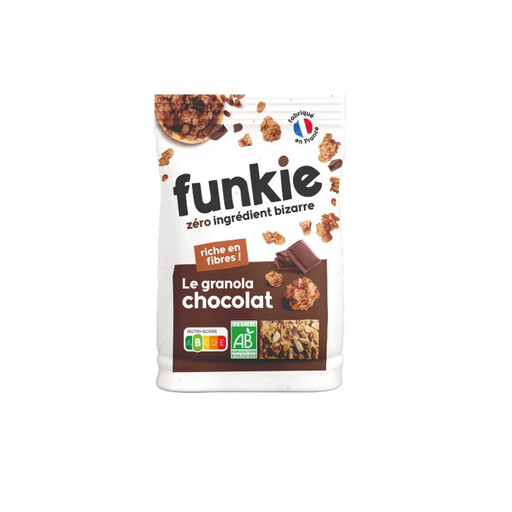
Why it's a great choice: This organic **granola** combines the indulgence of real dark chocolate chips with the richness of whole oats. The perfect option for those who want a delicious breakfast without compromising on ingredient quality.
It avoids the trap of low-quality ingredients hidden behind "indulgent" marketing. Certified **organic**, it relies on whole oats (57%) and whole cane sugar for complete transparency.
Recipe based on whole oats, with real dark chocolate chips (5%) and an official Organic Farming certification.
Choosing your cereal is one thing. Choosing the right bowl is even better. Using reasonably sized cereal bowls is a simple trick to better control portions and avoid falling into the "unrealistic serving size" trap. A bowl around 13cm in diameter, like this set of 6 Excellent Houseware coloured bowls, is perfect for serving the right amount for both adults and children. Their plastic material makes them very practical for daily use by the whole family.
We have compiled a complete and up-to-date list of products that meet our strict selection criteria and current regulations.
Although they look similar, their preparation is quite different. Muesli is a raw mix of cereal flakes (often oats), seeds, nuts, and dried fruit. Granola, on the other hand, is a similar mix but baked with a sweet binder (like honey or maple syrup) and a fat (like oil), which gives it its crunchy texture and famous large clusters.
Moisture is the number one enemy of crunch. To keep your cereal fresh, remember to fold the inner bag tightly after each use and close the box. The best solution is to transfer it to an airtight container, stored in a cool, dry place away from light.
One of the biggest advantages of buying your cereal online is immediate access to all the information. On platforms like Joybuy, the full ingredient list and detailed nutrition facts panel are displayed on each product page. This allows you to calmly compare several products based on your own criteria, far from the supermarket rush.