Households planning weekday breakfasts
If cereal is a regular breakfast choice, the pack weight and number of portions can help you pick an amount your household is likely to get through.


For weekday breakfasts, a large pack of ready-to-eat cereal is a good choice if several people regularly enjoy the same recipe. Porridge oats offer another option that you can prepare hot or cold. Own-label products are best chosen by looking at their recipe and pack size, rather than the retailer alone. In every case, match the amount you buy to the portions people actually eat, then check the sugars, fibre and allergens on the pack you choose.
If cereal is a regular breakfast choice, the pack weight and number of portions can help you pick an amount your household is likely to get through.
When comparing two recipes, check the ingredients as well as the sugars and fibre per 100 g and per portion. Manger Bouger recommends choosing wholegrain starchy foods and limiting sugary breakfast cereals.
A large pack makes serving easier when everyone likes the same recipe. A selection of smaller packs is better suited to households looking for variety or handy portions to take with them, as Kellogg’s describes its Variety range.
For a weekday routine, start with how much you get through and how much time you have in the morning. Then compare the ingredients in recipes that suit your household.
| What to consider | What to check | Who is it for? |
|---|---|---|
| How much you use | Net weight and number of portions; how much you eat each week. | When I need one pack to last for several mornings, I want to be able to use it all rather than leave a recipe untouched. Around 36% of consumers say the amount they will actually use is their first consideration. |
| Ingredients | Ingredients, sugars and fibre per 100 g and per portion; allergens in the specific product. | When I compare oat, muesli or ready-to-eat cereal recipes, their ingredients matter more to me than the size of the box. This is the top priority for around 29% of consumers. |
| Household tastes | Recipes everyone enjoys and whether a selection is really useful. | When tastes differ at home, I’d rather choose recipes people will eat than one large pack that some of the household will turn down. This comes first for around 21% of consumers. |
| Morning preparation | Ready-to-eat cereal or oats to mix; whether you need hot water. | On mornings when I can’t prepare anything, how the cereal is served becomes decisive. Around 14% of consumers put ease of preparation first. |
The weight on the pack doesn’t tell you how many breakfasts your household will actually get from a recipe everyone likes.
Estimate how many portions you eat each week before choosing between one large pack and several smaller ones.
An opened pack left in the cupboard for a long time may lose the texture you’re looking for.
Wholegrain ingredients don’t, on their own, tell you how much sugar a product contains. The Carrefour Stylesse wholegrain rice, wheat and barley product also lists added sugars.
Read the ingredients list and nutritional information per 100 g, then compare them with the portion you usually serve.
The name “oats” or “muesli” doesn’t tell you all the ingredients or whether a specific product may contain traces of allergens.
Check the allergen information on the exact pack, even if you’re already familiar with another recipe from the same brand.
Individual portions are mainly useful when you want variety or something easy to carry. They won’t necessarily replace a recipe that everyone in the household eats regularly.
Choose a selection pack if you’ll use all its different varieties. Otherwise, check whether a large pack of a favourite recipe would work better for the week.
The range includes ready-to-eat cereal in large packs, as well as the Variety selection of smaller packs.
Its range of breakfast cereal recipes gives you several options if you’re looking for a particular flavour for your household.
An option for households that prefer to prepare porridge oats rather than serve cereal straight from the pack.
An own-label range worth comparing recipe by recipe among ready-to-eat cereals.
E.Leclerc products to consider if your household is choosing between oats and other breakfast cereals.
These products offer oats or oat-based mixes for weekday breakfasts. The Family Whole varieties are described as containing glucose, so check the ingredients and how much cereal they contain against the portions you plan to serve. They don’t represent all the ready-to-eat cereal or own-label options discussed above.
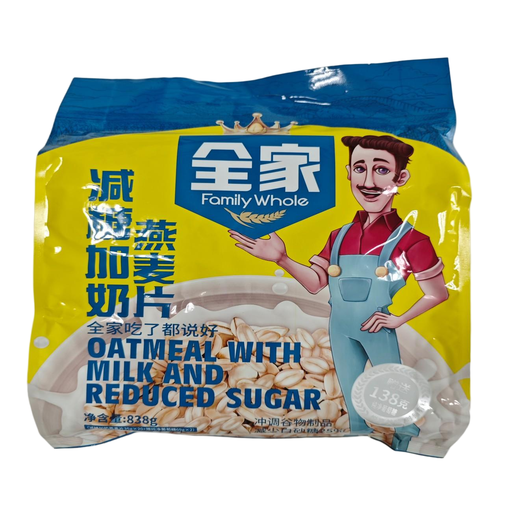 Image unavailable
Worth considering if you’d like to prepare portions of oats during the week rather than serve cereal straight from the pack. Glucose is mentioned in the product name. Before deciding on portion sizes, check the pack for the amount of oats in the total weight, the sugars and the allergens.
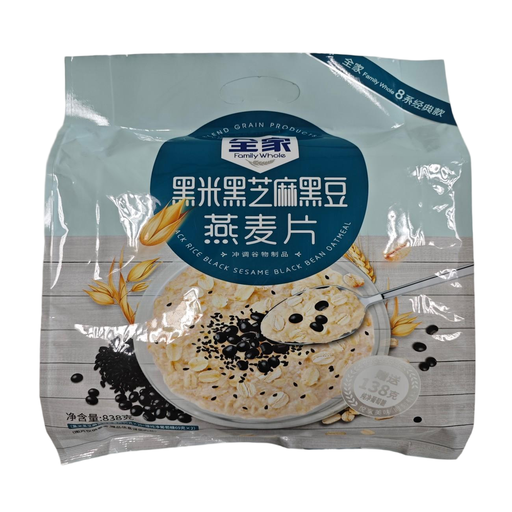 Image unavailable
This mix may appeal to households looking to vary their oat recipe during the week. Glucose is mentioned in the original product name. Before comparing portions, check the pack for the weight breakdown, ingredients, allergens and sugar information.
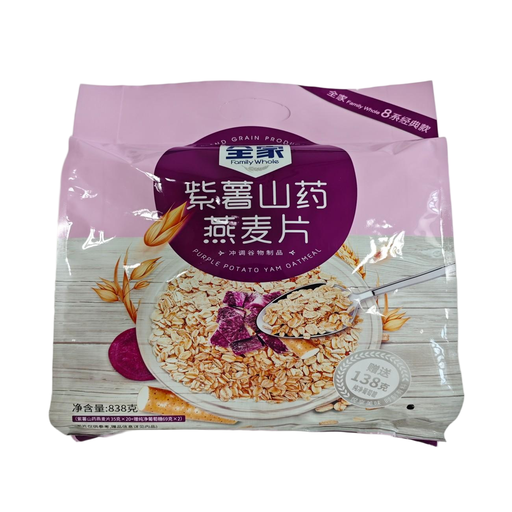 Image unavailable
Another recipe to consider if variety helps your household get through its cereal during the week. The product is described as containing glucose. Check the amount of cereal mix in the total weight, along with the ingredients, sugars and allergens listed on the pack.
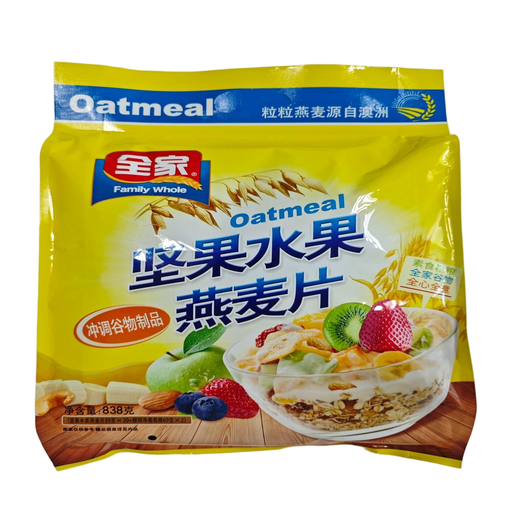 Image unavailable
This mix is an option if you’re looking for a recipe with fruit and nuts rather than plain porridge oats. Check the pack for nuts and other allergens, as well as the proportion of cereal in the stated weight, which includes glucose.
 Image unavailable
The single bag is a good choice if you prefer to measure out the amount of oats you need for each breakfast. It’s listed as 700 g. Check the pack to work out your portions and review the ingredients, nutritional information and allergens.
Start with the number of people who’ll eat the recipe and the portions you usually serve, then compare the total with the pack weight. A large pack is easier to use regularly if everyone in your household likes its ingredients and flavour.
No. “Wholegrain” describes the cereal used, not the sugar content of the whole recipe. Check the ingredients and the sugars per 100 g and per portion on the product you choose. Manger Bouger recommends choosing wholegrain starchy foods while limiting sugary breakfast cereals.
They are if you have time to add something and mix or prepare them. If you need breakfast with no preparation, ready-to-eat cereal is a more straightforward option. Check the instructions for the oats you choose.
Read the ingredients and allergen information on the exact pack, rather than relying on the name “oats” or “muesli”. Check each recipe in a selection pack separately and look out for any may-contain warnings on its packaging.