Busy shoppers comparing labels
You want biscuits to take with you, without choosing based solely on the word “Digestive”. Values per 100 g make it easier to compare similar products, even when the packs are different sizes.


For a quick breakfast, choose a Digestive if that’s the type of biscuit you’re specifically looking for. A cereal or butter biscuit is a different kind of recipe. To compare them, check the nutritional information per 100 g, the ingredients, allergens and packaging. In France, the Nutri-Score can help you make your decision when it’s displayed, but Santé publique France says that displaying it is voluntary.
You want biscuits to take with you, without choosing based solely on the word “Digestive”. Values per 100 g make it easier to compare similar products, even when the packs are different sizes.
You’re looking for a particular recipe. Check the proportion of wholemeal flour or cereals listed in the ingredients, then compare the fibre, sugars and fat. The biscuit’s name doesn’t tell you all of this.
If butter or certain allergens affect your choice, check the ingredients list and allergen information on the exact pack you’re buying. These can vary between Digestives, cereal biscuits and butter biscuits.
When choosing between these biscuits for a quick start to the day, first think about what matters most to you: nutritional comparisons, a pack you can take with you or the recipe itself. The DGCCRF says that nutritional information is shown on most prepacked foods. Santé publique France describes the Nutri-Score as a voluntary label that complements it.
| What matters to you | What to check | Who it’s for |
|---|---|---|
| Comparing nutritional information | Compare values per 100 g, particularly sugars, fat, saturated fatty acids, fibre and salt. Use the Nutri-Score if it’s displayed on comparable products. | I want to check the labels before choosing, rather than judge a biscuit’s nutritional quality by its name alone. Around 33% of consumers prioritise this comparison. |
| Taking a portion with you | Check the number of biscuits, the pack weight and whether the biscuits are individually wrapped. | When I’m in a hurry, I’d rather take a few biscuits than carry the whole pack. Pack format is the main consideration for around 45% of consumers. |
| Choosing a recipe and checking allergens | Read the ingredients and allergen information for the exact variety. Check whether it’s a Digestive, cereal biscuit or butter biscuit. | I’m looking for a particular recipe, or I need to check the ingredients before eating it. This is a priority for around 22% of consumers. |
The McVitie’s Digestive product listed by Carrefour contains 16% wholemeal wheat flour. This tells you about one ingredient, not the biscuit’s overall nutritional values.
To compare two products, check their nutritional information on the same per-100 g basis.
Santé publique France says that displaying the Nutri-Score is voluntary in France. So, if there’s no logo on a pack, you can’t assign it a letter rating.
If the logo is missing, compare the nutritional values and ingredients instead of guessing the score.
Ingredients vary from one product to another. The Joybuy listing for LU Tea Biscuits mentions wheat, milk and soya, and possible traces of egg and sesame. This information doesn’t apply to all biscuits.
Check the allergens and any “may contain” statements on the packaging of the variety you’re buying.
Carrefour lists Digestive Original as an option to compare with other plain biscuits.
The brand offers both a cereal biscuit and a butter biscuit, which should be considered as two distinct recipes.
The 350 g Tea Biscuits are another plain biscuit to compare, rather than a Digestive.
The Breton butter biscuit listed by E.Leclerc offers another point of comparison among classic recipes.
This selection features a butter biscuit for anyone who prefers this recipe for a quick breakfast. Compare it with Digestives and cereal biscuits by checking the labels of the products you’re interested in.
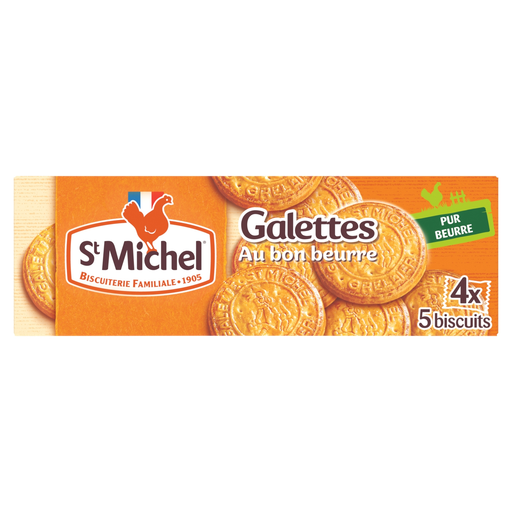 Image unavailable
A ready-to-eat option if you’re looking for a butter biscuit for a quick breakfast. The pack weighs 130 g; if you’d like to take a separate portion with you, check how it’s packaged. Also check the ingredients, allergens and nutritional information for the variety you’re buying.
No. Santé publique France says that displaying it is voluntary. The DGCCRF says that nutritional information is required on most prepacked foods, so use it to compare values when the Nutri-Score isn’t shown.
Compare their nutritional information per 100 g and their ingredients, without assigning a letter to the one that doesn’t display the logo. When shown, the Nutri-Score can help you compare similar products.
Check the packaging of the exact product, including any possible traces. For example, the Joybuy listing for LU Tea Biscuits states that this product contains wheat, milk and soya, and may contain traces of egg and sesame. Don’t assume the same list applies to a Digestive or butter biscuit.
Not based on the names alone. Choose the recipe and format that suit you, then compare the same nutritional values per 100 g, ingredients and allergens on each product’s packaging.