Hosts looking for a crunchy texture
If you’re serving bread on the side or as a bite-sized snack, check which seeds are actually listed in the ingredients. Carrefour and Lidl both mention sesame in the products described.


For easy-to-fill toast or mini sandwiches, choose seeded wholemeal or multigrain sliced bread. To serve alongside your dishes with a more substantial texture, consider a fresh seeded loaf that you can slice yourself. If a guest needs to avoid gluten or an allergen, the type of bread matters less than checking the ingredients, any possible traces and the information for the specific product you choose.
If you’re serving bread on the side or as a bite-sized snack, check which seeds are actually listed in the ingredients. Carrefour and Lidl both mention sesame in the products described.
If you’re preparing several bite-sized snacks, seeded sliced bread gives you evenly sized slices to work with, without having to cut a loaf while you’re serving.
The description “grains and seeds” doesn’t guarantee that a product is free from gluten or sesame. Check the specific product, its other allergens and any trace warnings, even if it is labelled “gluten-free”.
For an Asian dinner, start by thinking about how the bread will fit into the meal — as a loaf to slice and serve on the side, or as a base for bite-sized snacks. Then check the ingredients and your guests’ dietary requirements.
| What to consider | What to check | Who it matters to |
|---|---|---|
| Seeds and texture | Look for the seeds in the ingredients list rather than relying on the bread’s name alone. | If you want the seeds to be noticeable in bread served on the side, the ingredients matter most; around 29% of consumers prioritise this texture. |
| Serving format | Choose slices to top or a loaf to slice, depending on the snacks you’re planning to serve. | If you’re making several pieces of toast or mini sandwiches, evenly sized portions make serving easier. This is the top priority for around 21% of consumers. |
| Gluten and allergens | Check the ingredients, any trace warnings and, for bread sliced in store, the information provided at the point of sale. | If a guest needs to avoid gluten, sesame or another allergen, you need to be able to check the exact bread you’re serving. Around 29% of consumers put this requirement first. |
| Nutritional information | For packaged bread, compare the nutritional values per 100 g, particularly the fibre and salt content if these matter to you. | When choosing between two packaged breads for the same purpose, I’d rather compare their nutritional values than rely on their names alone. Around 21% of consumers prioritise nutritional comparisons. |
The Carrefour Bio and Lidl breads described contain cereals with gluten. Their names alone don’t mean they’re suitable for anyone who needs to avoid gluten.
If you need a gluten-free option, look for a product that is explicitly labelled as such, then check its other ingredients and allergens.
Sesame features in several seeded breads. Lidl also warns that its special seeded multigrain bread may contain traces due to the bakery and bread slicer.
Ask about allergen information at the point of sale and check the product details before serving it to anyone with an allergy.
A bread’s name alone won’t tell you how much fibre, sugar or salt it contains.
To compare packaged breads, check their nutritional values on the same per-100 g basis, as set out in the information described by the DGCCRF.
The date and storage conditions may affect how you plan to buy and prepare the bread.
Check the date on the product and follow its storage instructions, especially after opening.
Carrefour lists a 300 g organic multigrain loaf among its speciality breads.
Auchan lists a 500 g multigrain seeded loaf, as well as other products in this range.
Lidl offers a special seeded multigrain bread baked in store, designed in part to be served alongside a meal.
Monoprix lists a 500 g organic multigrain seeded loaf online under its Par Naturalia range.
These products are suitable for serving on the side or sharing as bite-sized snacks: a sesame simit and two types of grissini. Grissini aren’t sliced bread for adding toppings.
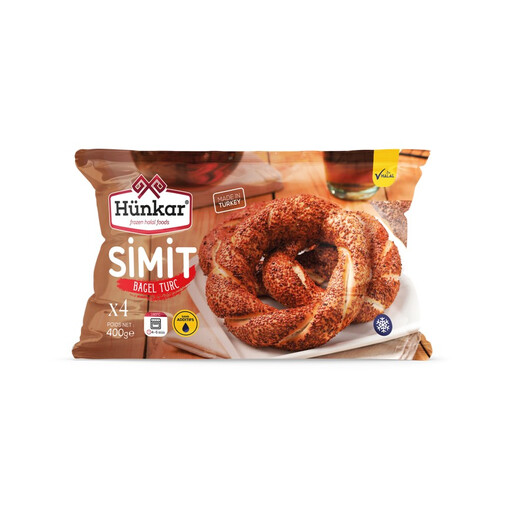 Image unavailable
A sesame-covered ring-shaped bread to serve on the side and share, rather than slice for toast. The pack contains four pieces. If you’re planning to serve it that evening, check the preparation or defrosting instructions on the packaging.
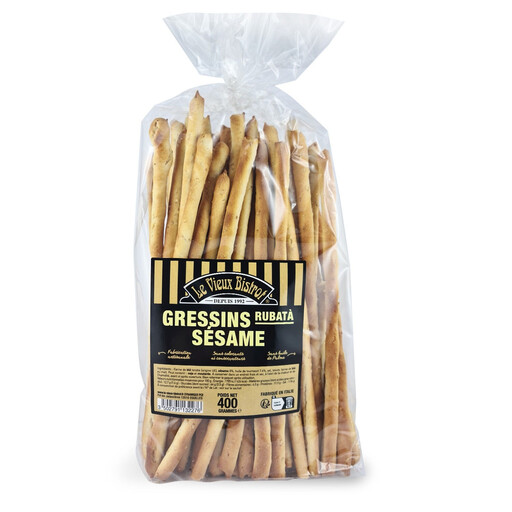 Image unavailable
Sesame breadsticks to share, with no slicing or toppings needed. These are grissini, not sliced multigrain bread. If anyone needs to avoid an allergen, check the information on the pack.
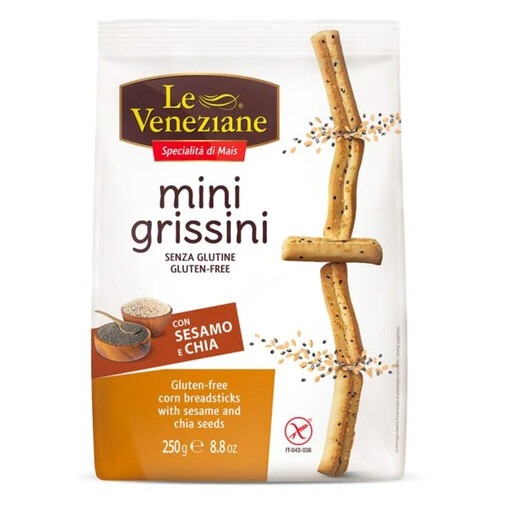 Image unavailable
A mini grissini option to consider if you’re looking for a product sold as gluten-free to serve on the side. It contains sesame, so check the packaging for other allergens and trace warnings if a guest has an allergy.
Seeded multigrain sliced bread makes it easy to prepare toast and mini sandwiches. If you’re serving bread alongside dishes at the table, a fresh seeded loaf that you can slice is another option. Lidl, for example, describes its special bread as baked in store.
No. The description doesn’t mean “gluten-free”: the Carrefour Bio and Lidl products described contain cereals with gluten. If you need to avoid gluten, choose a product that is explicitly labelled as suitable and check for other allergens too.
For a pre-packed product, check the ingredients list: the DGCCRF says that allergenic ingredients must be clearly highlighted. For bread baked or sliced in store, ask about allergen information at the point of sale, including possible traces.
Compare their nutritional values per 100 g rather than relying on the word “seeds”. The DGCCRF explains that this standard format lets you compare the salt and sugar content of the same quantity. Check the fibre content too, if it’s listed and matters to you.
Check the date on the product and follow its storage instructions, including after opening. The DGCCRF distinguishes between a use-by date and a best-before date. Check which one appears on the bread you choose, as they don’t mean the same thing.