
Livraison le jour même ou le lendemain

Qualité garantie

Débloquez vos offres de bienvenue: Livraison GRATUITE | Jusqu'à -80 % | 30 jours d'essai gratuits à JoyPlus
Téléchargez l'application
Breads of the world are a fantastic way to add variety to your meals without having to make dough from scratch. Indian naan, paratha, kebab bread, Turkish simit, filled Asian buns or ready-to-bake French baguettes – each format serves a very different purpose. However, an appetising photo alone isn't enough to make the right choice.
Here are the key criteria to consider before buying, along with a selection tailored to different profiles and eating habits.
A bread sold at room temperature can generally be eaten as is, whereas a frozen product usually needs baking or reheating. A partially baked baguette, for example, must go in the oven before it's ready to enjoy. Conversely, some filled Asian buns are already cooked and can be eaten straight from the packet.
This difference affects preparation time, the equipment you'll need and storage conditions.
Frozen breads must be kept at -18°C or below, in line with the instructions on the packaging. A thawed product should generally not be refrozen. So check how much space you have in your freezer and plan for a quick journey home after delivery.
A naan or paratha might seem very convenient, but it quickly loses its appeal if the storage doesn't suit your routine.
A name like "naan", "paratha" or "simit" refers to a style of bread, not a single, fixed recipe. The texture, amount of oil or fat, level of filling and cooking method can vary considerably. Check the ingredients list to see whether you're dealing with a plain, flaky, sweet or filled bread.
For a quick meal, go for ready-to-bake breads that can go straight into a pan or oven. Indian paratha is often cooked in a pan, with no rolling pin needed. Frozen naan is usually reheated in the oven in just a few minutes. Round kebab breads or those sold in portions are perfect for making sandwiches at home.
For breakfast or a snack, ready-to-eat breads sold in individual portions are easier to carry and store after opening.
Most breads in this selection contain wheat and gluten. Some also contain milk, eggs, soya, sesame or nuts. Turkish simit contains sesame, while several filled Asian buns combine wheat, milk and eggs.
If you have an allergy, read the label carefully every time you buy. A product labelled as "gluten-free" should also be checked against its ingredients list and any mentions of cross-contamination. Gluten-free grissini, for example, may contain sesame.
A 85g pack is suitable for a single portion, while a 1kg pack is better for a family, an office or an event. Compare the total weight, the number of pieces and the shelf life after opening, rather than relying on the price alone.
For regular consumption, also look at the nutritional values per 100g, particularly the fat, sugar and salt content. This way you can compare products from different categories without being swayed purely by marketing claims.
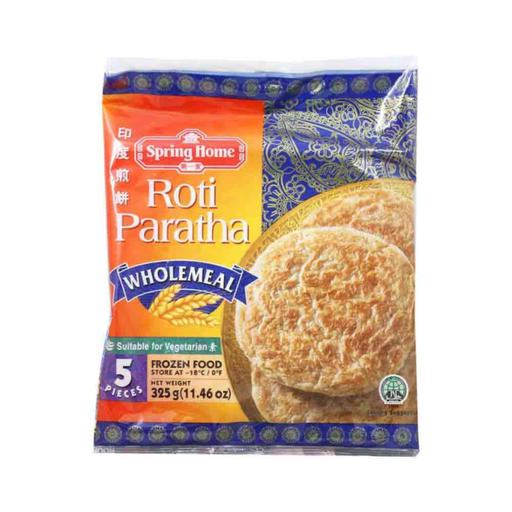
Why this suits this profile: This Indian paratha cooks straight in the pan, 1 to 2 minutes per side. It pairs easily with a curry, chicken or vegetables, with no complicated preparation needed.
The instructions state it can be cooked directly from frozen, which reduces the risk of mistakes linked to thawing.
325g pack, 9% wholemeal flour, pan-fry cooking and contains gluten.
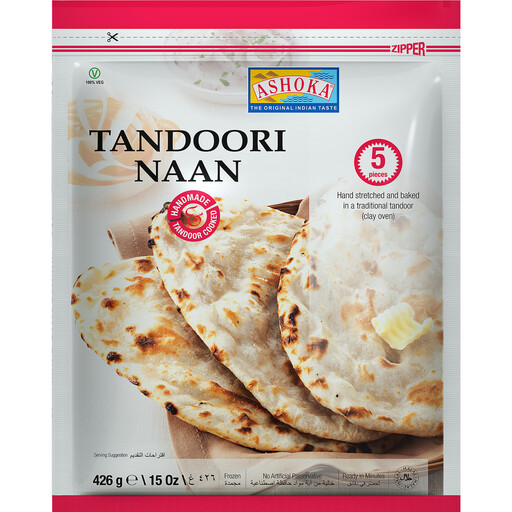
Why this suits this profile: This plain Indian naan goes beautifully with saucy dishes and can be served warm with a knob of butter, depending on your taste.
The pack clearly states storage at -18°C and reheating in the oven at 205°C.
Five pieces, 426g net weight, plain recipe and origin stated as India.
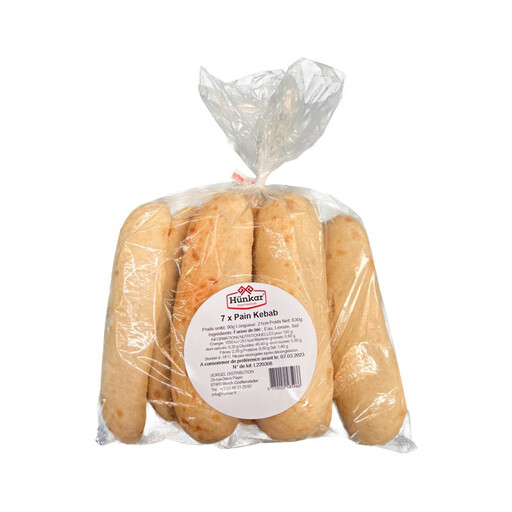
Why this suits this profile: With seven breads, this format is ideal for family meals, homemade sandwiches and regular use.
The product page specifies the total weight, number of pieces and freezer storage – useful information for meal planning.
Seven units, 630g total, a recipe made with wheat flour, water, yeast and salt.
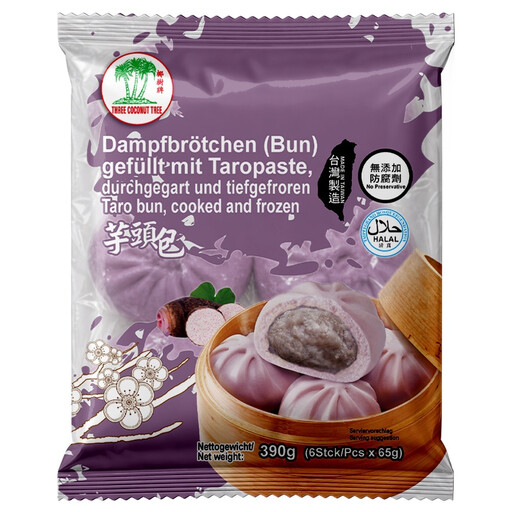
Why this suits this profile: This taro-filled bun is pre-cooked and steamed to finish. It offers an original break, whether for breakfast or a snack, far from the usual European breads.
The product page states it is pre-cooked, frozen and intended for steaming – so it is not wrongly presented as a ready-to-eat product.
390g, a filling containing 32% taro, and a product described as suitable for vegetarian and vegan diets.
We've put together a comprehensive, real-time selection of products that meet these criteria as well as European food safety standards.
Turkish simit is recognisable by its ring shape and generous coating of sesame seeds. It is traditionally enjoyed at breakfast with cheese, olives or tea. If you have a sesame allergy, however, it's best to steer clear.
For a French option, the KAUFFER'S Alsatian Baguettes x3 345g are partially baked baguettes, to be kept in the freezer and fully baked before eating. Those after a gluten-free snack can try the mini gluten-free sesame grissini, though do check for the presence of sesame seeds.
Asian buns filled with red bean, milk, taro or maple syrup are often sold in individual portions. Handy for taking to the office, they can however contain several allergens as well as sweeteners.
Start by following the instructions on the packaging. Paratha is often reheated in a pan, straight from frozen, while naan can be popped in the oven for a few minutes. Avoid thawing them in advance if this step isn't recommended by the manufacturer.
Store them at -18°C or below, until the date shown on the packaging. Once thawed, do not refreeze them unless the manufacturer explicitly says it's safe.
Kebab bread is great for sandwiches, naan pairs wonderfully with saucy dishes and paratha can serve as a base for a vegetable or meat filling. For a no-prep snack, go for a ready-to-eat Asian bun, after checking the allergens and storage instructions.