Households that often make bread and brioche
If you regularly make yeasted dough and large batches, first compare how much each model can handle, then look at its kneading performance. The bowl should also be practical to empty, clean and store.


If you regularly knead, mix and whisk, start by comparing stand mixers and their standard attachments. A food processor is worth a closer look if grating, slicing or blending are also regular parts of your routine. For large batches of dough or bread that bakes automatically, consider specialist appliances too. In every case, compare the capacity and attachments of each model with the recipes you usually make and the space you have available.
How often you cook and which tasks you want one appliance to handle are more reliable guides than the number of functions listed.
If you regularly make yeasted dough and large batches, first compare how much each model can handle, then look at its kneading performance. The bowl should also be practical to empty, clean and store.
If you make cakes and desserts but also grate, slice or blend just as often, check which tasks the appliance and its attachments can genuinely handle. An attachment that’s compatible with a model isn’t necessarily included with it.
A dough mixer may be worth considering if the amount of dough you can make is your main priority. If you mainly want a machine to make bread all the way through to baking, look at bread makers instead. They’re designed for a different purpose from whisking and preparing a range of bakes.
Start with the recipes you make regularly, then check the quantities and exactly what comes with the model. Que Choisir highlights the benefits of a stand mixer for regular bread-making and baking, while a food processor can handle other tasks too, depending on its attachments.
| Priority | What to check | What suits my needs |
|---|---|---|
| Kneading, mixing and whisking | Check which attachments are designed for each recipe, and look for tests using similar quantities. Que Choisir’s testing protocols assess bread dough, cake mixtures, whipped egg whites and whipped cream, depending on the appliance category. | I often make bread, brioche and cakes, so results with these recipes matter more to me than a long list of speed settings. |
| Amount of dough | Compare the bowl capacity with the size of your batches, and check the permitted dough load for the exact model. A manufacturer’s stated capacity isn’t, on its own, comparable to a test result for another brand. | My usual batches should fit in the bowl, without me having to choose an unnecessarily bulky appliance for smaller recipes. |
| Other recipes | Understand the difference between a stand mixer with optional attachments and a food processor. Check which functions are included, whether optional attachments are compatible and how much storage space they need. | I regularly grate, slice or blend, so I want to know whether these tasks justify choosing a versatile appliance rather than collecting attachments I’ll rarely use. |
| Set-up and cleaning | Measure your worktop, the clearance above it and the storage space available. Check the appliance’s weight and the cleaning instructions for the bowl and attachments on your chosen model. | If I have to take the mixer out of a cupboard every time I use it, how easy it is to handle and clean will affect my decision. |
| Automatic bread-making | Decide whether you want to work the dough before shaping it, or have a machine knead and bake the bread for you. Moulinex describes the latter function for its Home Bread Baguette OW610 bread maker. | I’m mainly looking to automate bread-making, so whisking and cake-mixing functions are less important to me. |
These figures don’t tell you how the appliance will perform with your amount of bread dough, or how it will handle cake mixture or whisking egg whites.
Look for tests covering the recipes you’re interested in. Que Choisir’s testing protocol for stand mixers assesses, among other things, the time taken and the result when making bread dough at maximum capacity.
A model that can take various attachments may suit several tasks, but that doesn’t mean every attachment comes in the box. You may also need to set aside more storage space.
List the tasks you’ll do regularly, then check what’s included with the exact model and whether any additional attachments are compatible.
Optional attachments are a separate purchase and take up space when they’re not in use.
A bowl designed for large batches may be less convenient to handle or clean when you’re making smaller quantities. You’ll also need enough room to use the appliance where you plan to put it.
Measure the available worktop and cupboard space, including the clearance above the appliance. If you’ll put the mixer away after each use, check its weight too.
Manufacturers’ stated dough capacities can help you identify models to look at, but they don’t prove that one will knead better than another: the conditions used to measure them may differ.
Check the limits in the model’s manual, then prioritise tests in which the appliances handle the same recipe and a comparable load.
These examples show how different models are configured. The features and attachments mentioned apply to the models listed, not every appliance from each brand.
The range includes bowl-lift stand mixers and attachments designed for specific models.
Several models combine baking attachments with a range of optional accessories.
The CS 4200XL is an example of a food processor to consider if you want to prepare dough as well as handle other kitchen tasks.
The Assistent Original is a rotating-bowl dough mixer to consider if you prioritise making large quantities of dough.
These options include dedicated stand mixers, a model with additional functions and a food processor. To choose between them, start with the batches you usually make and the other recipes you genuinely plan to prepare.
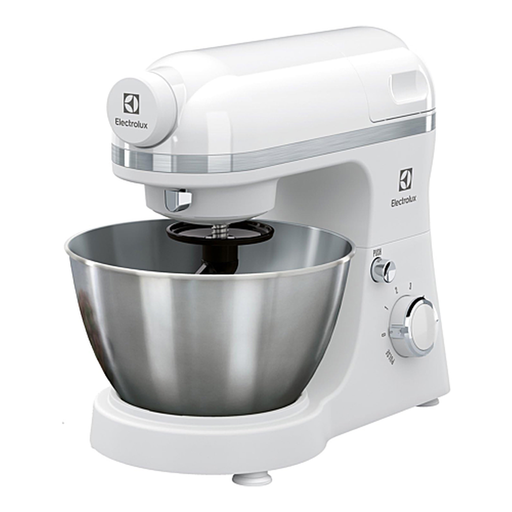 Image unavailable
If you regularly make bread and bakes, compare the 4.1 L bowl with the quantities you usually prepare. Check the permitted dough load and which attachments you’ll need for your most common recipes; the 800 W power rating alone doesn’t tell you how well it will perform.
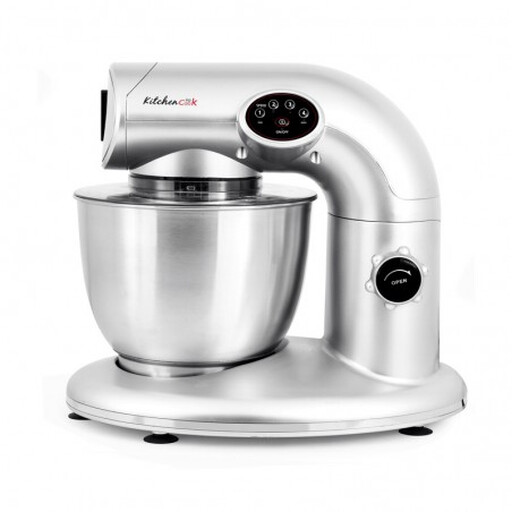 Image unavailable
If you make heavy doughs, compare the quantities you plan to prepare with the model’s usage limits. The instructions for these doughs recommend running the appliance for no more than 5 to 10 minutes continuously. Leave 100 mm of clearance on each side when setting it up.
 Image unavailable
This tilt-head mixer comes with a dough hook, a beater and a whisk for different recipes. Its 5 L bowl gives you an idea of the volume, but check separately how much dough it can handle for your batches and how its parts should be cleaned.
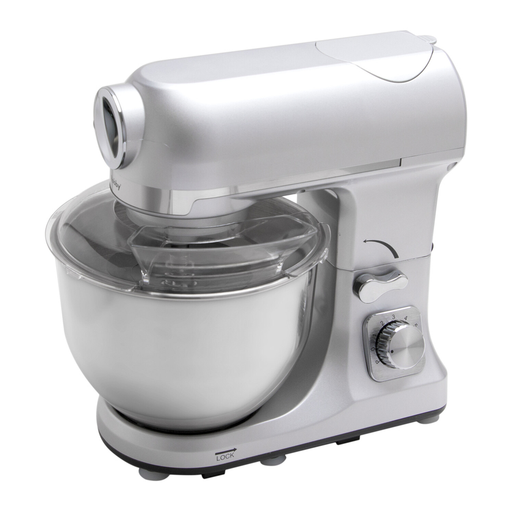 Image unavailable
This configuration is worth considering if you want one appliance for baking, blending and mincing. Before choosing it for cakes, check exactly what’s in the box, including whether a flat beater is included. Also check the permitted dough load. The model’s instructions recommend hand washing.
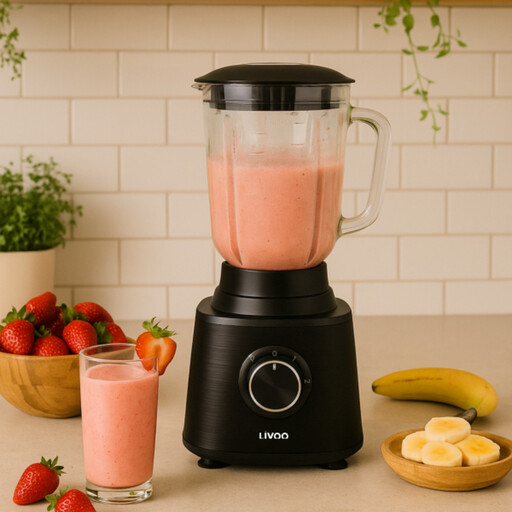 Image unavailable
This food processor is better suited to anyone who wants to combine several food-preparation tasks than to someone looking only for a stand mixer. Check that its 1.5 L bowl and permitted dough load suit the size of your batches, then check which attachments are included if whisking is important to you.
Look for tests covering the recipes you make regularly, using comparable quantities and conditions across appliances. Que Choisir’s testing protocols for stand mixers and food processors assess bread dough at maximum capacity, among other baking tasks. For slicing and chopping functions, also check which attachments were used in the test.
No. For your batches, also check the bowl, the permitted dough load and performance with comparable recipes. Que Choisir advises looking beyond the power rating and number of speed settings, and choosing a bowl based on the quantities you actually prepare.
Check for a dough hook for yeasted dough, a flat beater for mixing and a whisk if you make meringues or whipped cream. For grating, blending or mincing, check separately which attachments are included or compatible with the exact model.
A bread maker may suit your needs if you mainly want to automate the whole process through to baking. Moulinex describes its Home Bread Baguette OW610 as working this way. If you also regularly make cakes, meringues or whipped cream, compare the mixing and whisking functions of a stand mixer instead.