If fibre per serving is your top priority for brunch, compare wheat bran cereals. If you’d rather let everyone customise their bowl, plain porridge oats are a better place to start. Muesli or a crunchy cereal adds different textures, but whichever you choose, compare fibre and sugar per 100 g, then check the ingredients and allergens on the specific pack.
Which options are right for you?
The importance you place on fibre, ingredients and how you want to serve brunch will point you towards different products.
Hosts putting fibre per serving first
If you want to serve a measurable amount of fibre without adding lots of ingredients, compare bran cereals on the label. Check the sugar, salt and allergens too before choosing a recipe for everyone at the table.
Fans of build-your-own bowls
Plain porridge oats let everyone choose their own toppings. To keep control of what goes into each bowl, check the ingredients in the oats and the toppings separately.
Guests looking for a variety of textures
A recipe with fruit, nuts or chocolate chips can add variety to your spread. However, check its fibre content and allergen list on the pack itself: a mix won’t have the same characteristics as plain oats.
What should you look for?
For a Sunday brunch, start with what matters most to your guests, then compare specific products rather than relying on the category name alone.
| Criterion |
What to check |
Who is it for? |
| Fibre content |
Fibre per 100 g, then the amount in the portion you actually serve. |
If your priority is to provide a measurable amount of fibre in every bowl, use the label to guide your choice; around 36% of consumers put this need first. |
| What goes into the bowl |
Sugar per 100 g and the ingredients list, including toppings. |
If you want to choose what you add to your cereal, a plain base and a ready-made recipe aren’t interchangeable; around 29% of consumers prioritise having this control over the ingredients. |
| Suitability for your guests |
Allergens and ‘may contain’ warnings on every pack you serve. |
When guests have different dietary requirements or preferences, you need to be able to identify each recipe clearly; this is the top priority for around 21% of consumers. |
| Serving arrangements |
Pack size and any preparation needed before serving. |
To serve several bowls without complicating brunch, choose a pack size and preparation method that suit your plans; around 14% of consumers put this first. |
Pitfalls to avoid
-
Confusing wholegrains with a ‘high in fibre’ claim
The presence of wholegrains doesn’t, by itself, qualify a product to make this claim. In the European Union, Regulation (EC) No 1924/2006 sets the threshold for ‘high in fibre’ at 6 g of fibre per 100 g or 3 g per 100 kcal.
Read the nutrition information and check the claim on the specific product you plan to serve.
-
Checking the fibre but overlooking the rest of the bowl
Two cereals with a suitable fibre content may have different sugar levels. The portion suggested by the manufacturer may also differ from the amount you actually serve.
Compare fibre, sugar and salt per 100 g, then factor in your portion size and chosen toppings.
-
Increasing your fibre intake too much, too quickly
If you’re not used to eating fibre-rich foods, a much larger portion than usual may feel uncomfortable. Santé publique France recommends increasing fibre intake gradually and drinking enough water.
Offer portions that everyone can adjust to suit themselves, and make water available.
-
Assuming an oat or fruit recipe suits everyone
Bran cereals, mixes and recipes containing nuts can have different allergens, as well as ‘may contain’ warnings.
Keep the packaging to hand and check the label on the pack you’ve bought for each guest who needs to take care.
Brands to compare by recipe
A brand may offer products with different ingredients, so always compare specific products rather than relying on the brand name alone.
Kellogg's
All-Bran Fibre Plus and Special K Fibre are two different recipes to consider for a fibre-focused brunch.
- According to Kellogg's France product information, All-Bran Fibre Plus contains 27 g of fibre per 100 g, while Special K Fibre contains 13 g per 100 g.
- Both product pages also state that they contain 18 g of sugar per 100 g. Check the ingredients and allergens for the product you choose.
Nestlé
The brand offers breakfast cereals that are worth checking product by product.
- Nestlé Céréales France says wholegrains are the first ingredient in its cereals sold in France.
- This information alone doesn’t tell you how much fibre is in a specific box, so check its nutrition information.
Jordans
Plain porridge oats can be used as a base with toppings added to taste. The brand’s mueslis and granolas are different recipes and should be compared separately.
- The product information for Jordans organic porridge oats published by La Belle Vie lists the ingredients as 100% wholegrain oats.
- Don’t assume that the ingredients in plain oats are the same as those in recipes containing chocolate, fruit or seeds.
Carrefour
Céréales Fibra 5 Fruits Secs is an example of a mixed recipe to consider for a brunch with a variety of textures.
- Carrefour’s product information states that it contains 62% wholewheat and carries the claim ‘source of fibre’.
- The recipe includes fruit and hazelnuts, among other ingredients; check the full ingredients list and any ‘may contain’ warnings on the pack too.
E.Leclerc / Marque Repère
The Grainea and Bio Village ranges include porridge oats that could make a good base for brunch.
- The E.Leclerc catalogue includes Grainea porridge oats in 500 g and 1 kg packs.
- Check the fibre content and allergens on the label of the pack size you choose.
Cereals to build your brunch around
These Joybuy picks include customisable porridge oats, a quinoa cereal mix to prepare and a crunchy recipe with nuts. Compare their labels according to what matters most at your table.
 Image unavailable
BJORG Organic Porridge Oats 500 g
Worth considering if you want an oat base that you can customise to suit different guests. The pack contains 500 g. Compare the nutrition information and check the label before serving it to anyone who needs to avoid gluten or other allergens.
View on Joybuy
 Image unavailable
Quaker Porridge Oats 500 g
This pack of oats suits a brunch where everyone makes their own bowl or porridge. The pack contains 500 g. Check the fibre per 100 g and any allergen warnings on the packaging you buy.
View on Joybuy
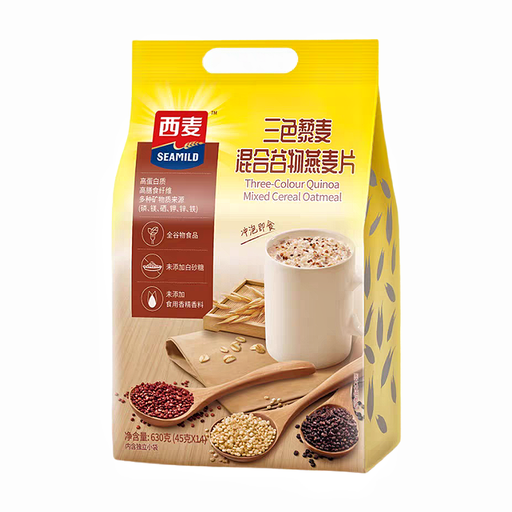 Image unavailable
Seamild Tricolour Quinoa Mixed-Grain Cereal 630 g
Worth a look if you’d rather prepare a cereal mix than serve plain oats. The pack contains 630 g. Check the preparation instructions, nutrition information and allergens before planning your bowls.
View on Joybuy
 Image unavailable
LUCIEN GEORGELIN Porridge Oats 500 g
These oats are another base you can customise for brunch. The pack contains 500 g. Compare its fibre and sugar per 100 g with other products, then check the allergens and ‘may contain’ warnings on the packaging.
View on Joybuy
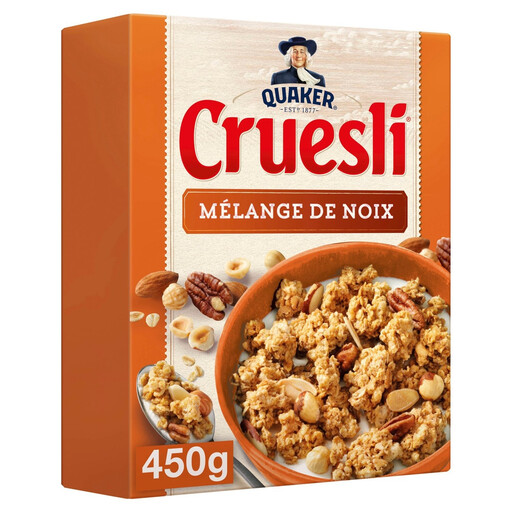 Image unavailable
Quaker Cruesli Mixed Nuts 450 g
Consider this if you’d like to serve a crunchy recipe with nuts rather than plain oats. The pack contains 450 g. Compare fibre and sugar per 100 g, and carefully check the allergens listed for any guests who need to take care.
View on Joybuy
Frequently asked questions
When can a cereal be labelled ‘high in fibre’?
In the European Union, Regulation (EC) No 1924/2006 allows this claim when a product contains at least 6 g of fibre per 100 g or 3 g per 100 kcal. To choose between two packs for brunch, compare their values per 100 g, then consider how much you actually plan to serve.
Should you serve a large portion of bran cereal at your first brunch?
You don’t need a large portion to compare the options. Santé publique France recommends gradually increasing your intake of fibre-rich foods and drinking enough water. Let everyone adjust their serving to suit their usual habits.
Does a high-fibre cereal guarantee ‘lasting energy’?
No. Fibre content describes the product; it doesn’t guarantee an effect on your energy levels. Consider the portion, sugar content and planned toppings too, rather than drawing conclusions from a single nutrition figure.
How can you check for allergens when sharing brunch with others?
Read the label on every pack you serve, including any ‘may contain’ warnings. Kellogg's France product information flags gluten-containing cereals in All-Bran Fibre Plus and Special K Fibre. Carrefour’s product information for Céréales Fibra 5 Fruits Secs lists hazelnuts and possible traces of other allergens. Don’t assume an oat recipe is suitable for everyone at the table.


