
Livraison le jour même ou le lendemain

Qualité garantie

Débloquez vos offres de bienvenue: Livraison GRATUITE | Jusqu'à -80 % | 30 jours d'essai gratuits à JoyPlus
Téléchargez l'application
A bowl can be used for breakfast, soup, side dishes or presenting a salad. A planter can hold a plant, structure a balcony or add depth to a patio. Yet buying bowls and planters for the home and garden is not without its pitfalls.
An attractive price doesn't always guarantee practical storage. A beautiful finish doesn't necessarily mean the product is dishwasher-safe or will withstand outdoor use. As for claims like "durable" or "eco-friendly", these are worth checking in the product description, particularly regarding the material, recyclability and stated durability.
Two bowls with the same diameter can have very different capacities depending on their depth. A shallow model is better suited to salad or pasta, whereas a soup bowl needs to be deep enough to minimise splashes. If you're planning to entertain, also think about the actual space available on your table.
Some models are dishwasher, oven or microwave-safe, but this isn't always the case. This information should be clearly stated in the product description. Disposable bowls, for example, are not designed for the microwave or dishwasher — they are intended for single use. A quick check is often all it takes to avoid buying something unsuitable for everyday meals.
Placed on a balcony or in a garden, a pot needs to withstand frost, UV rays, moisture and temperature fluctuations. A decorative planter designed for indoors is likely to crack or fade if left outside. For a permanent installation, look for specific details such as frost-resistant, UV-resistant, the presence of a drainage hole and the use of recyclable material.
Measure the available space before ordering. A 67 cm planter won't serve the same purpose as a 24 or 32 cm model. In the kitchen, stackable bowls reduce clutter in your cupboards. Wide, shallow formats work well for salads and sharing platters, while smaller models are better for sauces, condiments and desserts.
To choose a frost-resistant outdoor pot, check three things: the stated resistance to low temperatures, UV protection and the presence of a drainage hole. This prevents water from pooling, but you'll also need a saucer or protection for your balcony surface. Planters without drainage can be used as cachepots, provided you place a perforated inner container inside.
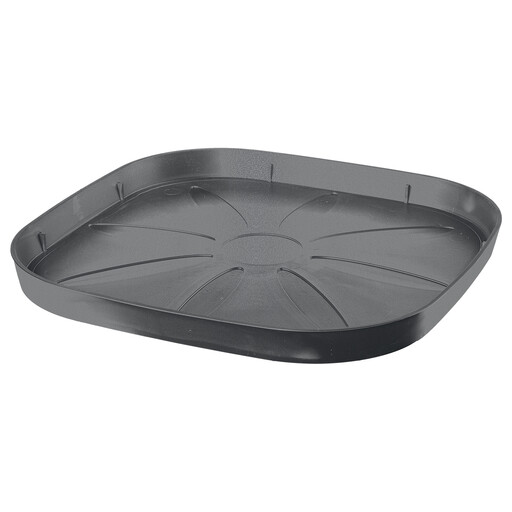
Why this choice suits this profile: At 24 cm across, this model is ideal for a balcony, a small patio or a first planting project. Its square shape adds a structured touch without taking up too much space.
The description mentions recycled and recyclable material, as well as frost and UV resistance. So the product isn't relying on looks alone.
A 24 cm format, anthracite grey finish and care that requires just a damp cloth, according to the description.
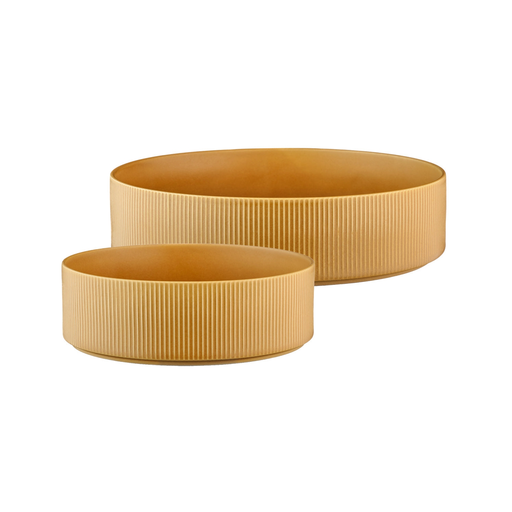
Why this choice suits this profile: With two sizes and an ochre hue, this set lets you create a harmonious table setting, whether for everyday use or when entertaining.
The dimensions are clearly stated and the bowls are described as stackable. A detail that stops a lovely collection becoming a storage headache.
A two-piece set in recycled stoneware, dishwasher, microwave and oven-safe up to 220°C according to the description.
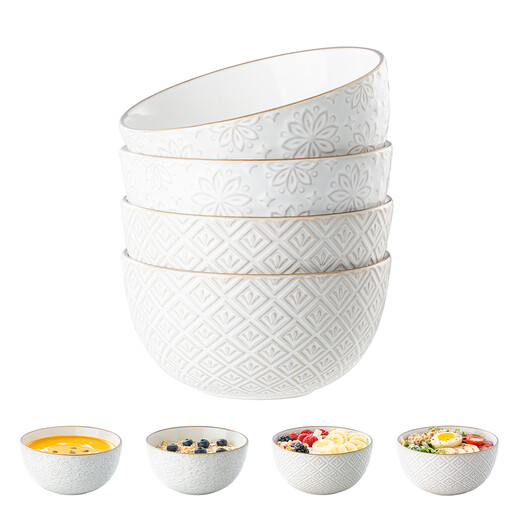
Why this choice suits this profile: This set is aimed at households that regularly use bowls for soup, salads, cereal, noodles or fruit.
The stated capacity comes with four stackable pieces and clearly specified compatibility with the dishwasher, microwave, oven and freezer.
Textured ceramic, a finish stated to be lead and cadmium-free, four bowls and stackable storage.
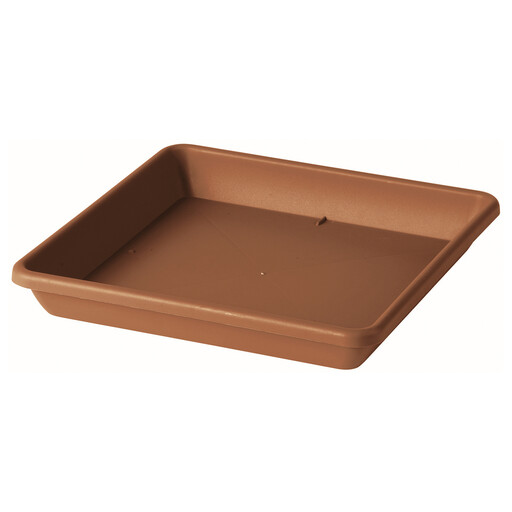
Why this choice suits this profile: Its square 27 cm format fits easily on a patio, balcony or in a garden. It's particularly suitable for a plant that needs a stable container.
Its drainage hole limits the risks associated with excess water. The description also states frost and UV resistance for outdoor use.
Recycled and recyclable material, a 27 cm format, no assembly required and cleaning with a damp cloth.
We've put together a comprehensive, real-time updated list of products that meet these demanding selection criteria and European safety regulations.
For soup, go for a model that's deep enough and check its capacity. For a salad or sharing platter, a wider diameter and shallower shape will make serving easier. If you have varied uses, a set with several sizes could be a good solution.
Place a perforated container inside the planter, or choose a model that already has a drainage hole. Add a saucer if needed and check regularly that no water remains at the bottom, especially after heavy rain.
Yes, provided their shape allows them to nest without force. Before buying, check the dimensions of each piece as well as the total height of the stack. This information is particularly useful for sets of four or six bowls.