
Livraison le jour même ou le lendemain

Qualité garantie

Débloquez vos offres de bienvenue: Livraison GRATUITE | Jusqu'à -80 % | 30 jours d'essai gratuits à JoyPlus
Téléchargez l'application
A kitchen salad bowl can be just as useful for mixing dough as it is for serving a salad or storing food. Yet the differences between models are sometimes less obvious than product descriptions suggest. A pretty colour doesn't guarantee good stability, practical storage, or dishwasher compatibility.
Before buying bowls and salad bowls, there are three pitfalls to avoid:
Ceramic bowls and porcelain bowls are well suited to everyday serving, whether for soup, pasta or cereal. Their weight gives them good stability on the table, but they can crack after a knock or a sudden temperature change.
Stainless steel, like that used in some mixing bowls, generally withstands repeated handling and pastry preparation well. However, it isn't compatible with all microwave uses. A steel model can also be noisier when utensils come into contact with it.
For a party, picnic or event, disposable bowls are particularly practical. Models described as biodegradable bowls or those made from plant fibres must still be sorted according to local guidelines and used in line with the manufacturer's recommendations. An eco-friendly claim doesn't automatically mean a product is home-compostable.
The capacity should match the portion size and type of preparation:
For a bowl set, check whether the capacities are identical or graduated. Different-sized bowls can be useful in the kitchen, while a uniform set is often more practical for a family or a dinner party.
Shape also plays a part. A wide salad bowl makes it easier to mix a salad or dough, whereas a deeper bowl reduces splashes when it comes to soup. Stackable bowls are particularly welcome in small kitchens, provided their diameter and height are compatible with your cupboards.
Don't rely solely on the phrase "easy to clean". Check the precise details regarding:
Even when a product is advertised as dishwasher- and microwave-safe, it should be used within the limits set by the manufacturer. With ceramic, avoid going straight from the fridge to an intense heat source. Decorative glass bowls and handmade pieces may, on the other hand, require hand washing.
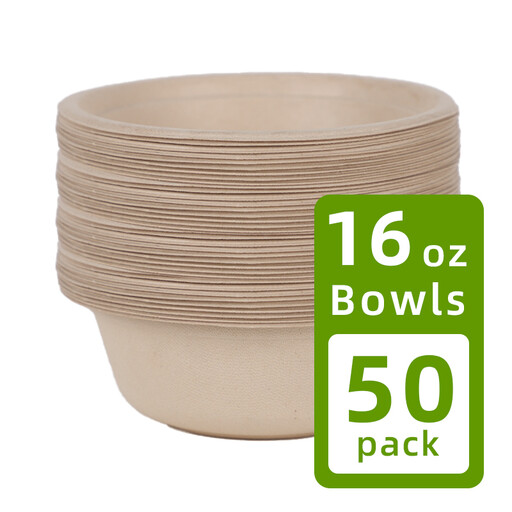
Why this choice suits this profile: With 50 bowls of 500 ml, this pack is ideal for outdoor meals, barbecues and occasional gatherings, without having to invest in dedicated crockery.
The capacity is clearly stated and the packaging makes it easy to plan for the number of guests. However, please check local recycling guidelines before disposing of the bowls.
Pack of 50 pieces, 500 ml capacity, described as leak-proof with thermal insulation.
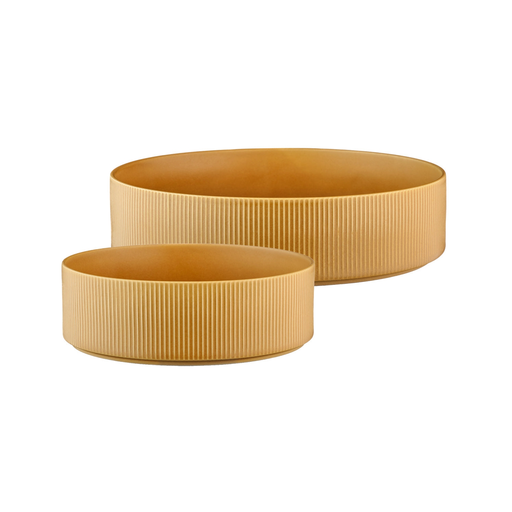
Why this choice suits this profile: The two diameters and ochre finish allow you to vary your presentations while keeping a harmonious table setting.
The dimensions are clearly specified and the bowls are stackable, reducing the risk of ending up with pieces that are difficult to store.
Two sizes, stoneware containing recycled ceramic material, stated compatibility with dishwasher, microwave and oven up to 220 °C.
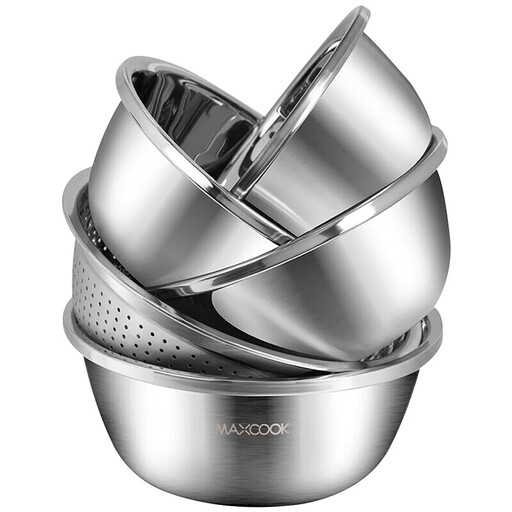
Why this choice suits this profile: This set brings together several containers and a colander for regularly preparing vegetables, salads and various dishes.
The material and contents of the set are explicitly detailed, unlike listings that simply mention "metal" or "complete set".
304 stainless steel specified, five-piece set with integrated colander for seamless preparation steps.
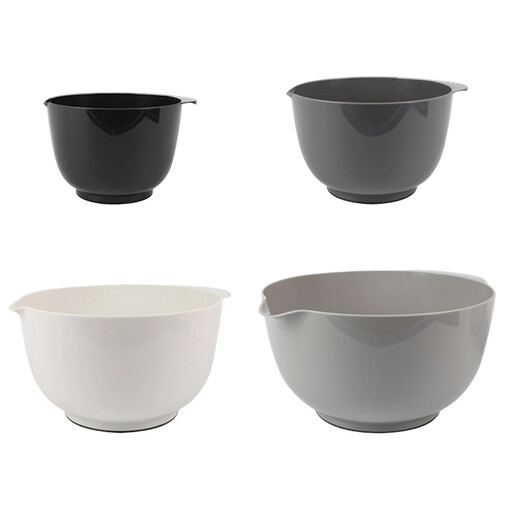
Why this choice suits this profile: Reusable, the four bowls are designed for baking, meal preparation and everyday salads.
The non-slip base and stackable storage address two common problems: bowls that slide around and those that take up too much space.
Four pieces, material stated as BPA-free, non-slip base and stackable storage.
For soup, go for a deep bowl of around 500 ml or more. For pasta, a wide, slightly curved shape makes mixing and serving easier. Also consider the weight and stability, especially if the bowls will be used by children.
No. Compatibility depends on the model and the manufacturer's instructions. Look for an explicit mention for each appliance. Metallic patterns, lids and handmade pieces may require special care.
Avoid knocks, sudden temperature changes and abrasive sponges. Only stack bowls designed for that purpose and regularly check for chips or cracks. For a one-off event, disposable bowls can reduce the washing up, while reusable models are better suited to regular use.