
Livraison le jour même ou le lendemain

Qualité garantie

Débloquez vos offres de bienvenue: Livraison GRATUITE | Jusqu'à -80 % | 30 jours d'essai gratuits à JoyPlus
Téléchargez l'application
The bowl set?: an essential in any well-equipped kitchen. However, choosing the right model can quickly become a headache. Caught between marketing promises and the reality of daily use, you can easily end up with bowls that chip after a few weeks, don't stack properly, or are simply unfit for purpose. To avoid disappointment and make a truly useful purchase, it's essential to know the most common pitfalls.
The two most common mistakes? Falling for the "do-it-all" bowl that ultimately excels at nothing, and underestimating the importance of the material. A beautiful ceramic bowl might look perfect in the store but prove too fragile for heavy family use. Conversely, a plastic bowl set, however practical, can quickly stain or retain the smell of tomato sauce. Not to mention a simple design flaw, like an unstable base, which can turn mixing cake batter into a balancing act.
To ensure you make the right choice, focus on a few key points that will make all the difference in the long run.
The choice of material depends primarily on how you plan to use them.
Beyond the material, certain practical details can turn a simple bowl into an indispensable kitchen ally.
To help you decide, here are a few concrete examples suited to different needs.
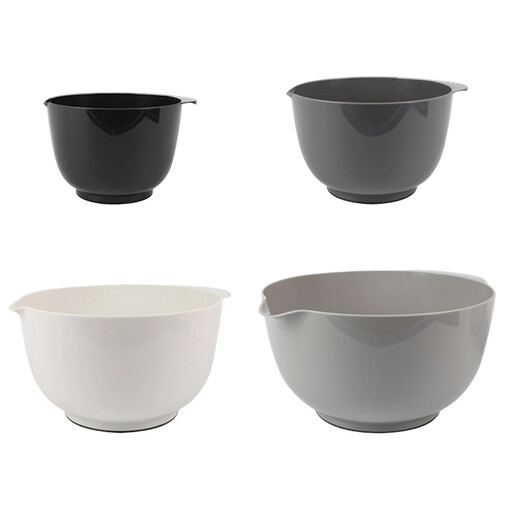
Why we chose it : Perfect for baking and meal prep, this bowl set is all about functionality. Its various sizes cover every need, from a small vinaigrette to a large family salad.
This set doesn't try to be a decorative object. It directly tackles the problem of stability with its non-slip base and storage with its perfectly stackable design.
The lightweight, easy-to-handle, BPA-free plastic is a real plus. The four graduated sizes offer excellent versatility for all your prep work.
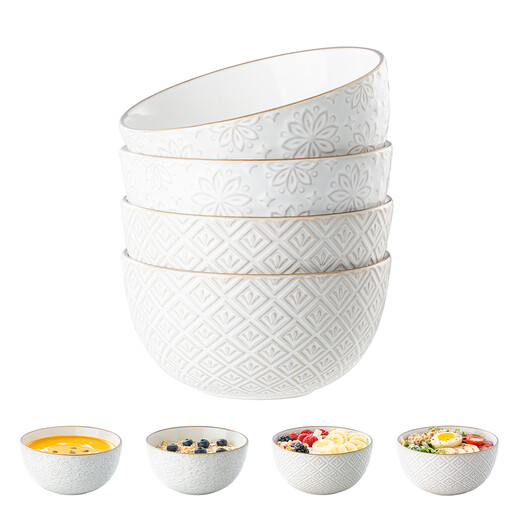
Why we chose it : This stoneware bowl set strikes the perfect balance between style and practicality. Deep enough for soup or a pasta dish, and ideal for morning cereal, they are designed for heavy use while adding a touch of elegance to your table.
Unlike purely decorative and fragile dinnerware, this set is made from high-quality, chip-resistant ceramic. It finds the right balance between a refined design and the durability needed for daily life.
Their great versatility (microwave, oven, freezer, and dishwasher-safe) and stackable design make them an ultra-practical choice for family life.
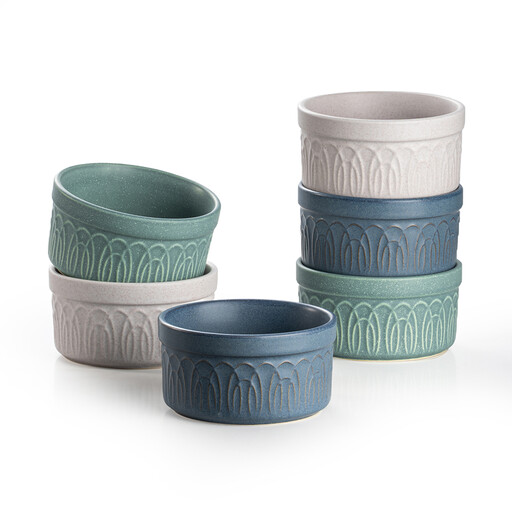
Why we chose it : Crème br?lée, chocolate lava cakes, soufflés, or even for serving sauces and appetisers : this set of ramekins is the perfect tool. Their size is ideal for individual portions.
These ramekins are specifically designed for oven use. Trying to bake with a standard, non-oven-safe bowl risks it cracking from the heat. This set eliminates that danger with its high-resistance ceramic.
Made from high-quality, lead-free, and non-toxic ceramic, they ensure healthy cooking. Their compatibility with the oven, microwave, and freezer offers maximum flexibility.
Discover our complete, up-to-date selection of products that meet our selection criteria and current safety standards.
For stubborn stains (tomato sauce, curry...), rinse the bowl immediately. Then, fill it with a mixture of hot water and baking soda and let it sit for several hours before washing as usual. To combat odours, cleaning with diluted white vinegar works wonders.
It all depends on the quality of the ceramic. Stoneware, for example, is denser and more chip-resistant than earthenware. However, no ceramic bowl is unbreakable. For families with very young children, food-grade plastic (BPA-free) or bamboo bowls are safer alternatives to prevent accidents.
The term "cul-de-poule" historically refers to a bowl, most often made of stainless steel, with a very rounded, almost hemispherical base. This specific shape is designed to make whisking easier?: it allows you to scrape the sides thoroughly and leave no ingredients behind in the corners. A mixing bowl is a more generic term that includes bowls of various shapes and materials (plastic, glass...) used for food preparation.