
Same-day & Next-day Delivery

Quality Guaranteed

Unlock Your Welcome Offers: FREE Delivery | Up to 80% OFF | Free 30-day JoyPlus trial
Download the APP
Rock sugar is popular for its distinctive crystals, gradual dissolving and versatility. But different varieties behave differently in a cup of tea, a sweet soup or a marinade. Whether you’re choosing Chinese rock sugar, yellow sugar, granulated sugar or sugar cubes, it mainly comes down to crystal size, how quickly it dissolves and how much you need.
A few simple checks before you order can help you avoid disappointment and unnecessary purchases.
The word “crystal” can refer to sugar, but it can also describe a decorative object, a diffuser or a powder intended for cleaning. Soda crystals, for example, are sodium carbonate and must never be eaten. Their sometimes attractive appearance does not change their purpose: they are strictly for household use.
When buying food, always check for an ingredients list, a net weight, storage instructions and guidance on culinary use. The product listing should clearly identify the item as “sugar”, “rock sugar” or “crystallised sugar”.
Yellow or amber sugar isn’t automatically less processed, more flavoursome or more nutritious. Its colour may be due to the presence of molasses, the crystallisation process or the manufacturer’s chosen formulation.
Fang Jia Pu Zi Yellow Rock Sugar 350 g, for example, is described as unrefined yellow sugar that retains some of its molasses. Its amber colour and subtle caramel notes can work well in infusions, sweet soups and slow-cooked dishes. However, it is still sugar, so use it according to your usual habits and the recipe.
A 5 kg pack may work out cheaper per gram, but it needs to be stored in a dry place in an airtight container. By contrast, a 250–400 g pack is better suited to trying the product, using it occasionally or stocking a smaller household.
It’s best to compare the net weight, price per kilo and how often you’ll use it, rather than relying on the price shown alone.
Larger pieces of rock sugar generally dissolve more slowly in hot liquids. This is useful when you want to sweeten tea, an infusion or broth gradually, but less convenient when a recipe calls for quick, even mixing.
Smaller crystals, such as those in single-crystal rock sugar, are easier to mix in. Taikoo Monocrystal Rock Sugar 300 g is described as having small, uniform crystals, making it suitable for soups, porridge, desserts and hot drinks.
If you want to serve coffee or tea straight away, fine sugar or individually wrapped sachets are often more convenient. Taikoo Golden Coffee Sugar Crystals Sachets 250 g is designed for hot drinks, whether at home, in the office or in a café.
Check the ingredients list to distinguish plain rock sugar from a flavoured preparation. Several products featured here list sugar as their main ingredient, sometimes with water added depending on the manufacturing process.
The nutritional information for these products is around 400 kcal and 100 g of carbohydrate per 100 g, with slight variations between products. These figures aren’t a recommended intake; they’re mainly there to help you compare product listings and follow the quantities specified in your recipes.
Also check the country of origin, best-before date and the details of the responsible business shown on the packaging. For an imported product, this information can help you confirm that it meets your expectations.
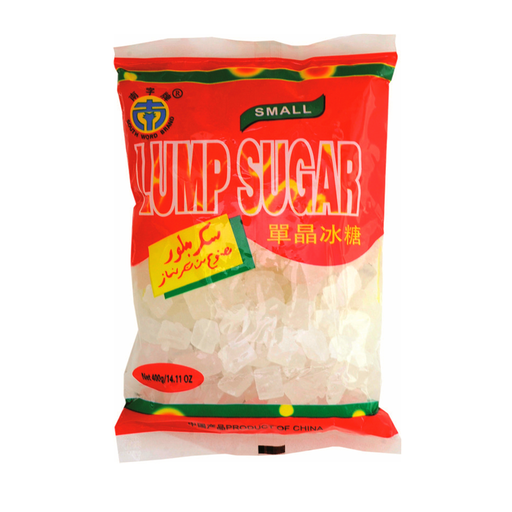
Why it suits this type of shopper: The 400 g pack lets you try rock sugar and use it in drinks, desserts or savoury dishes, without buying more than you need.
The crystals are a manageable size, so you won’t be left with a large block that’s difficult to measure when trying rock sugar for the first time.
400 g of single-crystal rock sugar, suitable for cooking, baking and drinks.
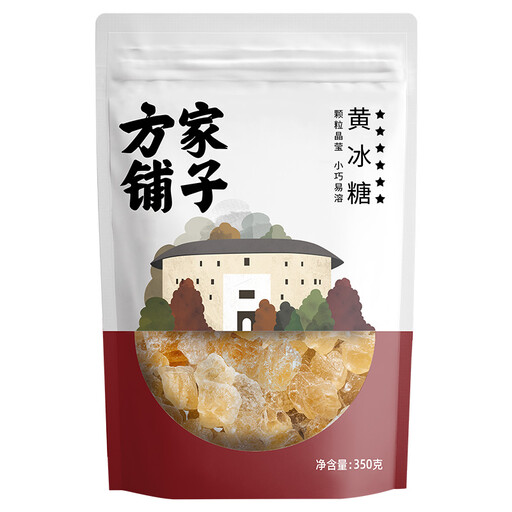
Why it suits this type of shopper: Its amber-yellow colour and subtle caramel notes are a good fit if you’re looking for more nuanced flavours in infusions and slow-cooked dishes.
The product listing specifies the type of sugar and its net weight, so you won’t mistake an amber colour for a nutritional claim.
Larger crystals, gradual dissolving and Chinese origin stated on the product listing.
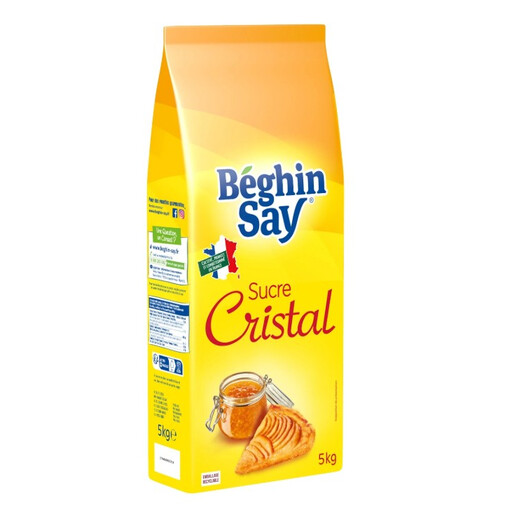
Why it suits this type of shopper: The large pack is ideal for a big family, a home baking enthusiast or a café that uses food-grade sugar regularly.
The 5 kg net weight is clearly stated, making it easy to compare the price per kilo before you order.
An economical pack for regular use, with sugar listed as the ingredient.
Store rock sugar in a cool, dry place away from moisture. Once opened, transfer it to an airtight container to help prevent clumping and make it easier to measure. For larger pieces, use a clean, dry spoon rather than handling them directly.
When cooking, gradually add the sugar to a hot liquid, then stir until it has fully dissolved. In a marinade or sauce, allow for the sugar already present in the other ingredients. For a cold drink, smaller crystals generally dissolve better than large pieces.
Yes. It’s commonly used to sweeten tea, infusions and sweet soups. Larger crystals dissolve more slowly, while smaller ones let you sweeten your drink more quickly. Choose a format to suit how much time you have and the texture you’re after.
Granulated sugar usually refers to the small grains of sugar used every day. Rock sugar, on the other hand, comes in larger crystals or pieces formed through crystallisation. Its appearance and how quickly it dissolves will vary depending on the format and product you choose.
Check the date on the packaging and keep the pack sealed in a dry place at a stable temperature. Sugar generally keeps for a long time, but moisture can affect its texture and cause it to clump.