
Livraison le jour même ou le lendemain

Qualité garantie

Débloquez vos offres de bienvenue: Livraison GRATUITE | Jusqu'à -80 % | 30 jours d'essai gratuits à JoyPlus
Téléchargez l'application
Buying bottled mineral water seems simple enough… until you start comparing volumes, mineral composition, cap types and the number of bottles per pack. For a household, an office, a restaurant or an event, the wrong choice can quickly mean running out of stock, bottles that are awkward to carry, or a higher bill than expected.
Before you order, three common pitfalls keep cropping up:
Still water is ideal for everyday drinking, meals and making hot drinks. A natural mineral water such as Evian, Vittel or Volvic can have different levels of calcium, magnesium, sodium, bicarbonates or sulphates. This information is mainly useful for comparing taste and mineral content – there's no need to see it as a medical claim.
Sparkling water, also called fizzy water, contains carbon dioxide that is either naturally present or added. Check this detail, as well as the sodium content and the dry residue, if you're looking for a particular flavour profile. San Pellegrino, for example, lists its mineral composition and comes in a 6 × 1 L pack.
A flavoured water, a lemon sparkling drink or coconut water can't be directly compared with natural mineral water. Check the ingredients list to see whether it contains juice, sugar or sweeteners. The NOW COCO range, for instance, combines coconut water, fruit juice, carbon dioxide and sucralose.
When buying water in packs, start by working out the total volume:
The 50 cl format is easy to hand out at meetings, on the go or during exercise. The 1.5 L format means fewer replacements at home, but it's bulkier and less convenient to carry. In an office or reception area, a container with a tap can also save you from handling lots of small bottles.
Look at the material of the bottle or can, the recycling information, the type of cap and the storage conditions. Products should be kept away from sunlight, frost, heat and strong odours.
Once opened, still or sparkling water is usually kept in the fridge for the length of time stated on the packaging. Sparkling water gradually loses its fizz. For coconut- or fruit-based drinks, the shelf life after opening may be shorter – always check the label.
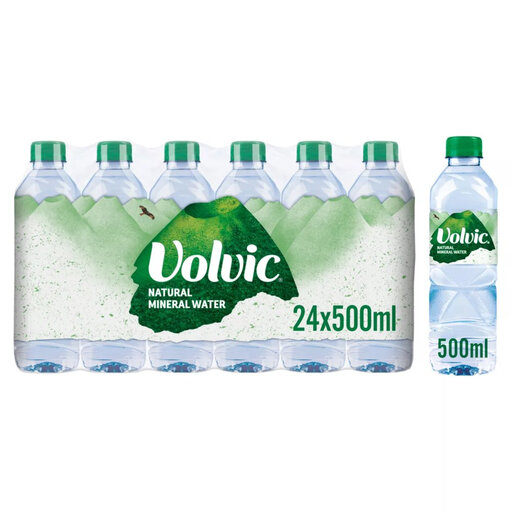
Why this choice suits this profile: This pack contains 24 bottles of 50 cl – a format that's easy to hand out at home, in the office or on the move.
With 12 L in total, it's easier to compare the price per litre and avoid buying a small pack that isn't enough.
Natural mineral water, 50 cl bottles and French origin stated on the product page.
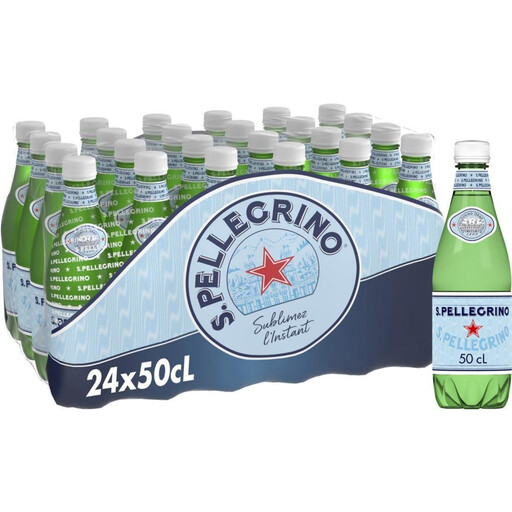
Why this choice suits this profile: The 50 cl bottles with their fine bubbles are a natural fit for meals, receptions and restaurant tables.
The 24-bottle pack means you don't have to make separate purchases for a meal or event.
24 bottles of 500 ml, sparkling mineral water and detailed mineral composition on the product page.
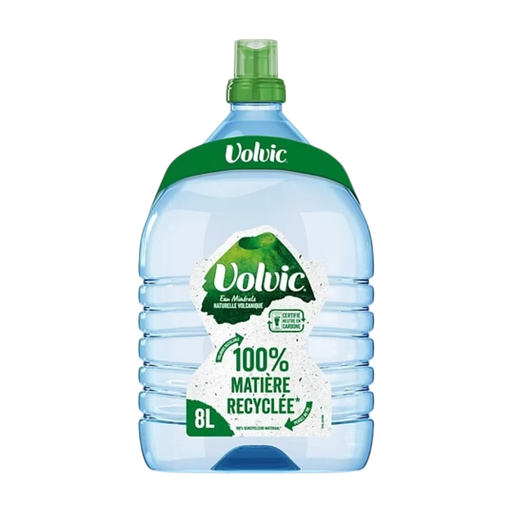
Why this choice suits this profile: This 8 L container with a tap is designed for a fixed dispensing point – in an office, kitchen or reception area.
Its large volume means fewer replacements and stops you from piling up lots of small packs in a tight space.
8 L capacity, built-in tap and recommended storage away from light and heat.
We've put together a comprehensive, regularly updated selection of products that meet these exacting criteria, as well as European safety standards.
Natural mineral water comes from a protected underground source and has a stable mineral composition that is officially recognised. Spring water is also intended for human consumption, but its mineral characteristics can differ. The label and product page will tell you the exact category.
Put it in the fridge and follow the manufacturer's recommendations. For sparkling water, drink it quickly to keep the fizz. A shared bottle should also be resealed between uses to limit contamination from outside.
Add up the volume of all the bottles, then divide the pack price by the total number of litres. Then compare the format, the type of water, the delivery charges and the storage space needed. This method stops you from choosing a pack that looks economical but doesn't really suit how you'll use it.